• My Own Account of London

    My Own Account of London


    When I first started reading books, I discovered their ability to transport the reader to different places. Between covers I have been to many locations, a good percentage of which are not real…but many that do exist somewhere on this planet. Of these I have enjoyed glimpsing between the lines.

    How strange to think I am visiting these places. France? England? These were lands I knew because I read of them. For years I devoured written accounts from authors, fiction and nonfiction.

    I’ve seen different versions of England, from Dickens to Rowling. Many French authors—classic and contemporary—have taken me to Paris. What a blessing to be going. I will have a chance to see these countries from my own angle; I will be able to tell readers of my own version.

    I will have accounts of my own. My feet will tread cities ancient, sidewalks that have seen revolution and change. I’ll encounter buildings immortalized in beloved novels. I will have a chance to visit the graves of great authors, pray in old cathedrals, see castles.

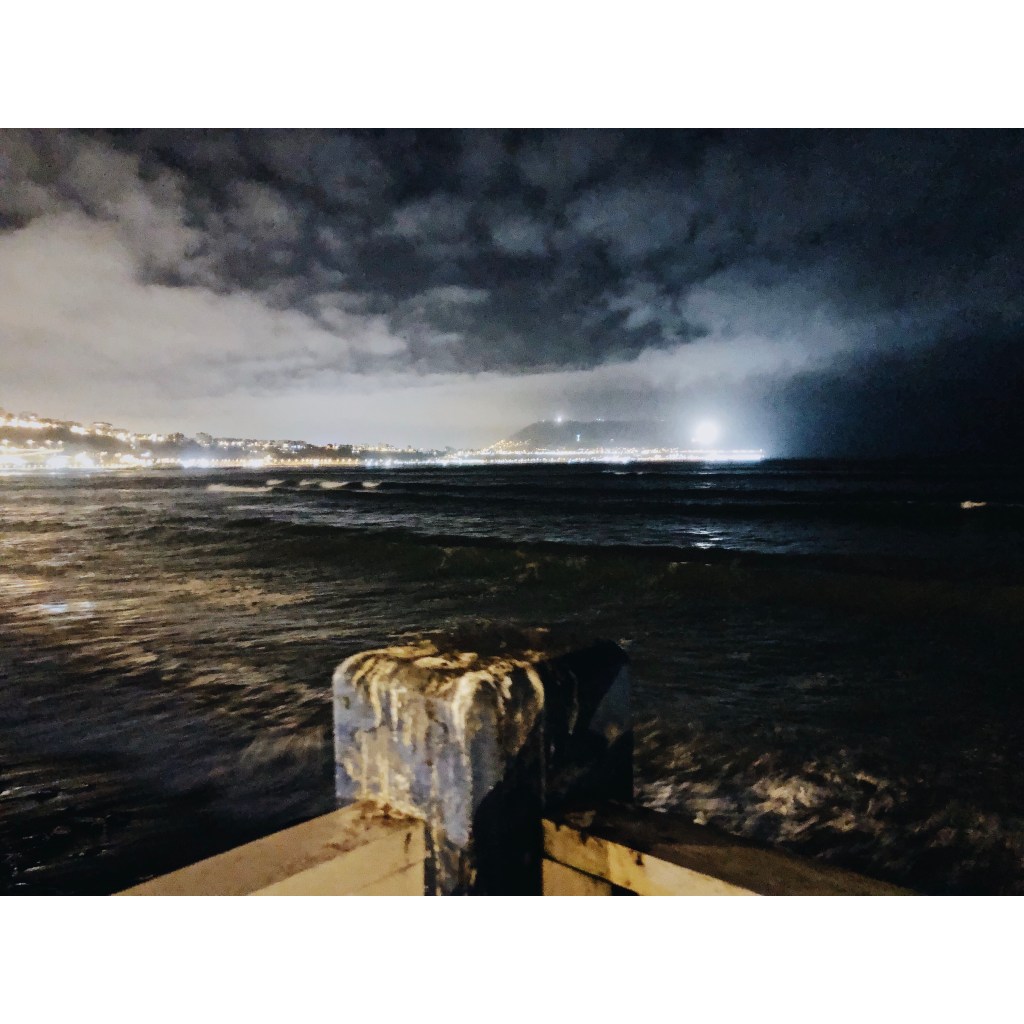
    a glimpse of a Peruvian street

    As I packed, I listened to The Four Seasons and La Vie en Rose, letting the beauty of song mingle with my excitement. I have chosen Pride and Prejudice to read on the plane from San Francisco to Paris. I have daydreamed.

    Oh! the stories I will write. My craft will be changed permanently. I will gather magic wandering these places so old but new to me. The stories growing in me! They might be novels or short stories, but whatever they are, they’ll be the most poignant tales of my life.

    I had always thought that, if I were to see these places, I would be old and gray. No, I am blessed to see them with the energy of youth. Thanks to my mother for helping my dream come true so much earlier than I imagined. She is without a doubt the greatest and I love her.

    Oh, the poems I will write. I am ready to meet the muses who helped build these great cities. I won’t have enough time to see all I want to, but there will be pictures, and the memories will stay. I won’t forget a moment of this visit—not a smell, taste, sound, flavor—I cannot forget.

  • How’s the Weather?

    How’s the Weather?


    Cold air stings my face. I think about conversations we have with taxi drivers about the most cliche of subjects, the weather. Is it not the topic that makes us all scoff? But when you’re from a different hemisphere, the weather becomes interesting.

    We hear people in Peru talk of how cold it is outside, and it makes us smile. I think of our winters at home where the streets are coated with layers of snow and it’s difficult to crawl out of bed.

    I find the Peruvian winter, at least in Lima, like the colder months of autumn—minus pumpkin spice fever. It’s a pleasant time when you can walk around with a scarf and think of carving pumpkins…but you don’t see any.

    It’s disconcerting to feel this temperature and not see a pumpkin patch. You don’t think about such details at home, things so mundane as a pile of fat pumpkins in front of the grocery store.

    Friends, you learn unexpected when you travel; apparently, pumpkins are a bigger part of my life than I thought.

    When we describe winter at home, people smile and seem to give thanks they do not live somewhere so frosty. It’s as if, all of a sudden, the weather isn’t so cold.

    They then ask where we live. Idaho, we respond, to confusion. Where is that? Did you say Ohio? Iowa? Where is Idaho? It’s up northwest. Is it near Arizona? Is it near Canada? Yes, it’s near Canada.

    Sometimes, after these vague directions, the person gets an idea of where we are. Sometimes they remember having heard of Idaho at some point. Most of the time we leave the taxi feeling like tourists from Wonderland or Oz.

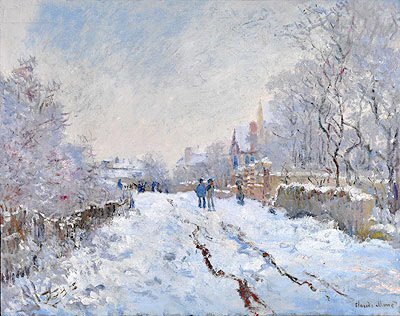
    The taxi driver zooms away picturing us as living in a place like Monet’s Snow at Argenteuil. Sometimes Boise does look like that.

    Claude Monet, Snow at Argenteuil

    Traveling, you learn that the weather isn’t simple after all. What Peru lacks in snow is made up for with humidity. The hostel where we’ve been staying for three weeks is next to the ocean; if you open the window and lean outside, you smell it.

    We breathe in seawater, and though it does not feel terribly cold on the outside, the body becomes cold. I had bronchitis the first week here. At home, I have never had such a bad cold, even in years when the snow has been terrifying. Perhaps it’s not impossible, but it’s never happened to me.

    Travel helps you learn about the place where you live; you unearth gems of your tradition, habits you didn’t know had gotten under your skin, like choosing pumpkins when the weather is cool. Life is a painting, and you have to look for the contrasts.

  • Colors of Travel

    Colors of Travel


    What have I learned visiting a different hemisphere for two weeks? I could go on about the cliches. In a different country we discover new cultures, cities, customs. We encounter things of the past, ruins and cathedrals built centuries ago, structures with such detail few today can mimic them.

    To be honest, I haven’t seen this trip with the eyes of a tourist. Cultures, cities, customs–these are things anyone can learn when they visit a different country. They can be learned online, as well, through a quick Google search.

    “Travel makes one modest. You see what a tiny place you occupy in the world.” -Gustave Flaubert

    What do we learn about ourselves? Every human spirit is a castle with undiscovered rooms. Doors must be opened, and when they are, the traveler will find in themselves a stranger. If travel is done correctly, we should not be able to recognize ourselves.

    We are all made of divine colors visible to ourselves and God. He is all-knowing, so the heavenly shades cannot surprise Him; the same cannot be said for ourselves. We become frightened running into a contrast we consider too bold, or a shade too soft for our comfort. It’s like asking a stranger what they are doing inside of our skin.

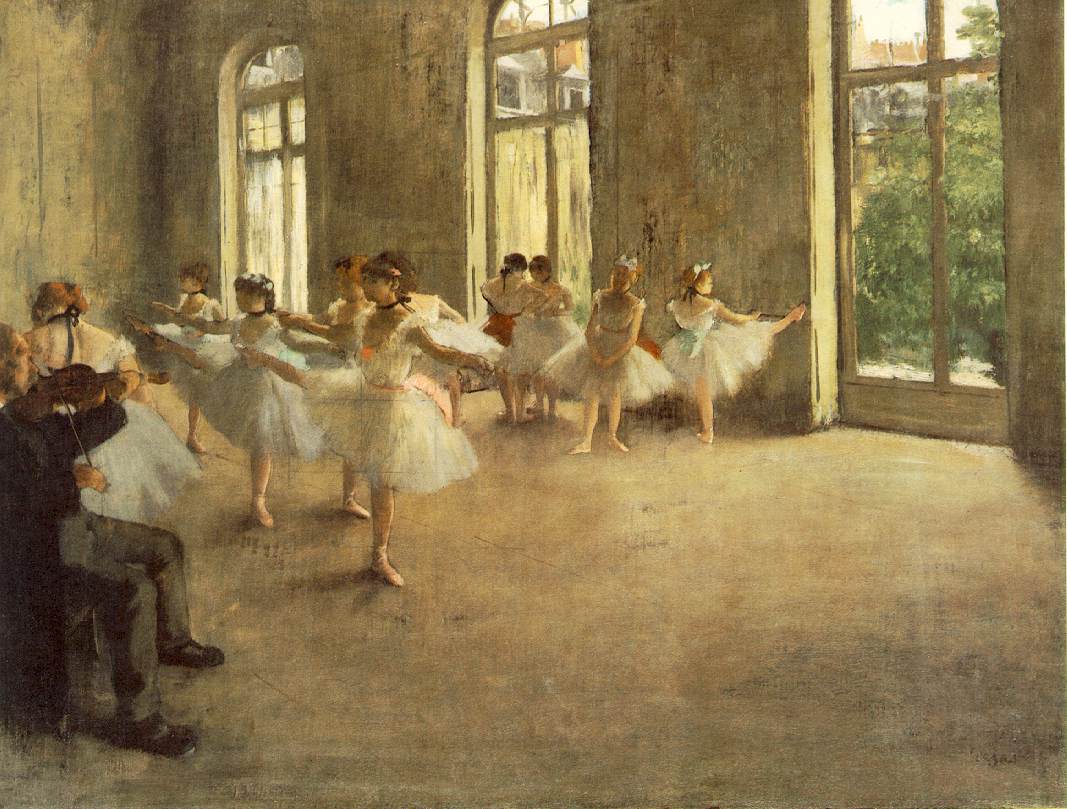
    Edgar Degas, The Rehearsal

    When forced to relearn things such as how to cross the street, you face the patterns of your soul. There is nothing so foreign to us as the gradients that make us. See how they merge so mysteriously! Ask yourself, What is going on here? Why does the person in the looking-glass resemble me but not feel like me? It is thrilling and terrifying.

    After two weeks in Peru (and another because of the hurricane), I looked in the mirror. What I saw resembled the person who had gone to the airport, but she was not the same. She could smile and mean it. She liked the light in her eyes, and could converse with strangers in a different language.

    Her soul was foreign, but it was her.

    Other things came as a surprise, such as how I like pastels. In the past I was faithful to forest colors or shades of blue, but now I am drawn to lavender, yellow, shades that remind me of the ballerinas in an Edgar Degas painting. I do not like loud shades of pink, but soft ones, those that could almost be called white. You see it if you know how to look.

    Is it color I like in myself, or what the color reminds me of? In Degas paintings I see color in motion, coming alive. That flash of yellow is doing a pirouette, the pink is securing a bow; they are alive and breathing. I believe that travel done correctly makes you see your own colors.

    How sweet to feel colors in me that promise I am alive, a painting like every other soul. Travel done right uncovers them so that life is never the same.

  • Dwelling-Place of Storm

    I am a poet,
    Keeper of flowers
    Dwelling-place of storm.

    My emotions
    Manifest in
    Terrifying form.

    I can destroy you
    With my words,
    Feeling no remorse,

    Or I can calm you,
    Fighting battles
    For you at the source.

    I’ve learned there is
    No middle ground:
    Believe me, I tried.

    I am a dwelling-place
    Of storm;
    Friend, I never lied.

  • Hundred-Acre Grave

    Hundred-Acre Grave


    Yesterday, the blue and gray
    Skies rolling overhead,
    Sighing, seemed to me to say
    The rivers had turned red.

    Treading gentle on the grass,
    I sought peace but found none.
    April, she had come to pass,
    Her faithful weeping done.

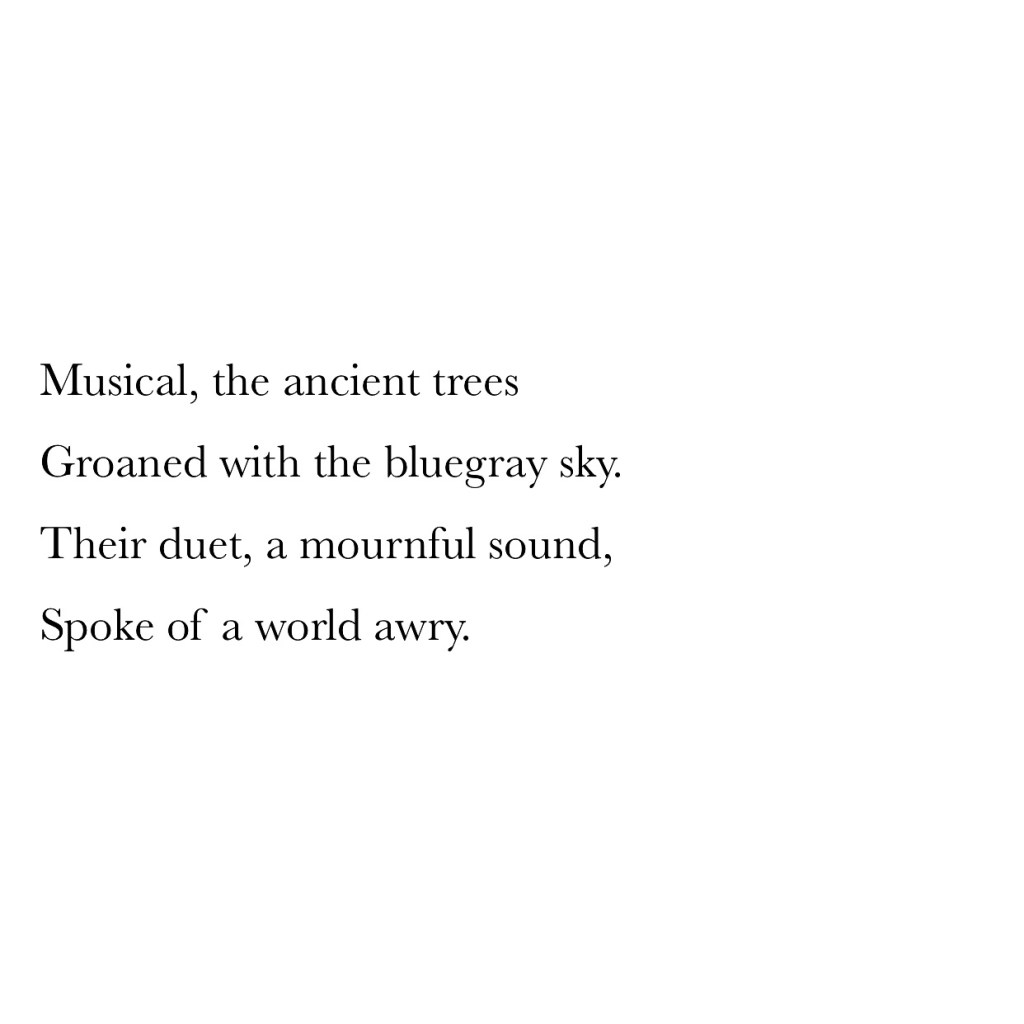
    Musical, the ancient trees
    Groaned with the bluegray sky.
    Their duet, a mournful sound,
    Spoke of a world awry.

    One persistent hummingbird
    Called, as if I could save
    Her home from the fate I heard,
    A hundred-acre grave.

    As I trekked an ancient trail,
    Trees around me died.
    Had April seen her tears fail,
    Longer she’d have cried.

  • Mermaid

    Mermaid


    White horses are
    Sea turtles.
    I cannot tell my world from theirs.
    Coral, I watch wildflowers
    Bloom before my eyes.
    The breeze to me
    Feels like a wave,
    Tousling my hair.
    I don’t think I belong here,
    My home is not there.

  • Poetry

    Poetry


    Bottle up your pain
    In an old, glass jar.
    Let it sit there for a day
    ‘Til it’s black as tar.

    Fall down on the grass,
    Find a feather there.
    Take your bottle; feel the sun
    Shine down on your hair.

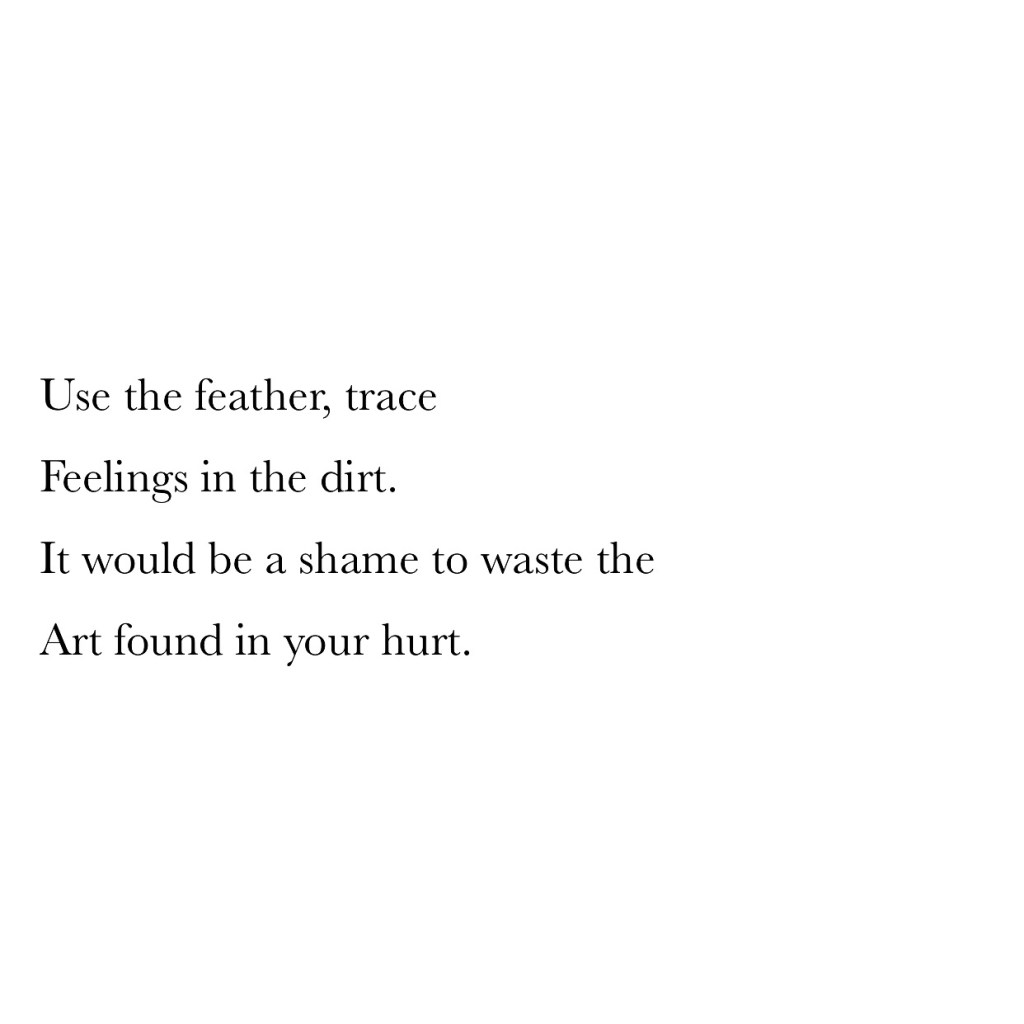
    Use the feather, trace
    Feelings in the dirt.
    It would be a shame to waste the
    Art found in your hurt.

    If a leaf falls down,
    Take to it with ink.
    Rinse your newly emptied jar;
    Just don’t stain the sink.

    Finally, you’ll breathe;
    Pressure, it will fade.
    This is how the realest sort
    Of poetry is made.

  • Calluses

    Calluses


    I am building calluses
    Around my heart.
    Nobody can come in
    To hear my song.

    She’s losing strength
    Because I exposed her
    To empty souls who
    Did not know,

    That she is a melody
    Few have heard,
    And she is timid.
    She will hide.

    I will not forsake her
    Or sing her to the dark,
    So I am building calluses
    Around my heart.

  • Flowers


    You were never going to see me
    Among all the other flowers,
    Watching idle as the strangers
    Daily passed me by.

    I am not unlike my sisters,
    Neither am I just like them;
    We are gathered as a body
    Staring at the sky.

    If you deign to come in closer
    And, for once, get on your knees,
    You might see my red is different—
    Only by a hue—

    Maybe if you bowed your head
    And plucked me from the ground,
    You could press me in a book,
    A love poem for you.

  • Stars


    Did you see the stars tonight?
    I could hear them cry
    Watching human promises,
    Every one a lie.

    The stars above, among themselves,
    Feel no need to compete.
    Each is glad for her own light,
    Sacred and complete.

    One by one they turn away,
    Collapsing in despair:
    Their grief consuming everything,
    Leaving their wrath fair.

    Child, don’t wish upon the star,
    But promise her you’ll wake.
    Nothing good will come to you
    Defending your mistake.


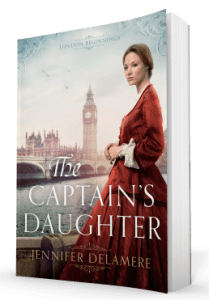
  • Captains-Daughter-3D-trimmed-209x300I enjoy it when historical fiction books are written in different settings. So many seem to take place during the Season or inside of country houses. Though these books are enjoyable, a different setting ensures that I will remember the story.

    The Captain’s Daughter by Jennifer Delamere provided a new setting. A good deal of the novel takes place backstage at a theater! Before reading this book, I hadn’t pondered how playwrights enchanted their audiences. How did they produce the special effects? It was no small feat!

    The novel follows two characters involved in theater. First, we meet Rosalyn who, having fled a sticky situation, finds herself alone in London. Her hope was to join her sisters in Bristol, but when she is robbed of her belongings, it becomes clear she’ll need to work to keep a roof over her head. That is when she is hired by a theater to help with the costumes.

    The second character, Nate, is a soldier. Having been injured in battle, he’s waiting at home for the wound to heal. He blames the accident on having been reckless and in love, and has sworn never to fall again, convinced it only weakens the judgment. Much to my delight, his conviction wavers when he meets Rosalyn.

    If you’re looking for clean, entertaining historical fiction, The Captain’s Daughter is bold and unique! I finished it in a day!

    Author Jennifer Delamere was kind enough to answer some questions about her novel. She offers words of encouragement for writers like me who might see the writing process with apprehension. I’m sure they will help you, too. To learn more about Jennifer, visit her website–and read her books!


    While researching, did something surprise you about the time period? Why?

    I was surprised to discover that London’s Underground Railway (now generally referred to as the Tube), was the first in the world—and that it was opened in 1863! I had always thought subways were a much later invention. However, I should not have been surprised, as the Victorians were at the vanguard of so many engineering feats, from railroads to massive city sewer works. The first underground trains used steam engines, making the ride smoky, as you might imagine. They were not electrified until the early 20th century. For books two and three of this series (The Heart’s Appeal and The Artful Match), I enjoyed being able to set scenes on the London Underground.

    What are some old customs you would like to see return to fashion?

    I would love to see more etiquette in our dealings with one another. Today our social interactions are somewhat of a free-for-all. Although often dismissed as stuffy and constraining, I think having agreed-upon standards could actually make people more comfortable instead of less so. They would know what to do instead of wondering or feeling clueless. And I’d love to see a return of real dancing! From English reels to waltzes to the foxtrot. Very few people seem to know how to dance today, but it used to be a common pastime. Seems like it made courtship a lot more interesting, too!

    As a historical fiction author, which titles would you recommend to fans of the genre?

    There are too many good ones to name! And of course, it depends on reader preferences. I can recommend the website for the Historical Novel Society (historicalnovelsociety.org), where anyone looking for a great read can search the reviews by genre (romance, mystery, thriller, western, etc.) and by time period. You might even find yourself stretching a bit by choosing a novel set in a time period or place that you haven’t read about before.

    Do you have words of encouragement for the author struggling through the writing process?

    Yes – keep at it! Do all you can to learn more about the craft. This includes reading books on writing, attending workshops, and considering feedback from fellow authors. While doing all this, keep writing. It takes time and application of what you’re learning to really digest the information you find in other sources, and then to figure out what to keep and what to set aside. Certain things, such as good story structure, are fairly immutable. Learn those rules well before trying to break them. Other things, such as writing style or how to write your drafts (outlining vs. not outlining, for example), you can refine as you discover what works for you. Ultimately your writing process will not be exactly like anyone else’s. So embrace that! Enjoy the discovery process of how you write as well as what you write. Also remember that no one’s first draft is perfect. Even the best authors have to edit and rewrite. So don’t get discouraged. Just keep writing.


  • s-l1000

    After one month in its pages, I have finished The Pickwick Papers. It is part of my 2019 Classic Novel Challenge, one of the longer ones on the list. I’m unable to critique writing by my favorite author. How can I nitpick the gripping prose, the humorous twists and turns, the delightful poetry?

    I cannot criticize work by Charles Dickens, so instead I will continue wishing I could write like him.

    If I were to write like Charles Dickens, I imagine I would focus on the characters. There are so many, and the author follows many of their storylines. This way, we can see him weaving an elaborate world. How could I follow so many characters at once? If I wanted to write like him, I would need to practice having an eye on each and every one of them.

    There would be a past for every traitor, a flaw for every hero. I would make readers hesitate to judge anyone harshly. I would give even the most unlikeable characters their humanity. Dialogue would be a treat to read because of my attention to dialect, the nuances that separate one protagonist from the other.

    With enough detail, the most fantastic main character will feel real.

    I would use words to bring out the chasm between the wealthy and poor, the places no one wants to go and the places everyone wants to be. I would show readers the homeless and destitute, how they are forgotten but still human. Men, women, and children in factories and poorhouses would have their voices heard.

    My prose would have to be so graceful that the words melt into poetry. I would paint pictures in which the walls, the carpet, the tea kettle all play a part. They would be like blended colors. With my art, readers would drink in the paragraph without complaining about its length. I would immerse them so that they don’t remember how long the book is; they are part of the story.

    I cannot criticize Charles Dickens. I can only hope that one day I will write something with such immortality. His works can be heavy because of their length. These novels have many chapters because they were first published as serials. Oh, to go back in time! What a delightful thought: a world in which people all went to the news stand, looking for the next chapter of their favorite story.

    Maybe one day, that trend will return to life. For now, I will read these stories and bask in their light.

    I’ve found time to read historical fiction this year, modern works I haven’t included in my reading list because they’re not classics. I’m doing this for research: the novel I’m working on is historical fiction. There is no better way to know the time period than reading stories about it. However, the titles on the 2019 Classic Novel Challenge are priorities.

    My next classic read will be My Antonia by Willa Cather.

    I hope your springtime has been pleasant; what are you reading now?