• Prologue

    Prologue


    Let it be said of me,
    “She was open, like a book.”
    & like a book,
    Some people can’t get much
    Further than page 1.
    I am a poem-volume
    Amidst documents of war;
    The thrill explorers felt as
    Their schooners left the shore.

    One day I’ll be a Favorite Book
    Read ‘neath the setting sun.
    For now, I’ll stay true to myself
    And whisper my page 1.

    Shared with dVerse Open Link Night. Check them out for great poetry!

  • 5 Books Set In Paris (Part 1)

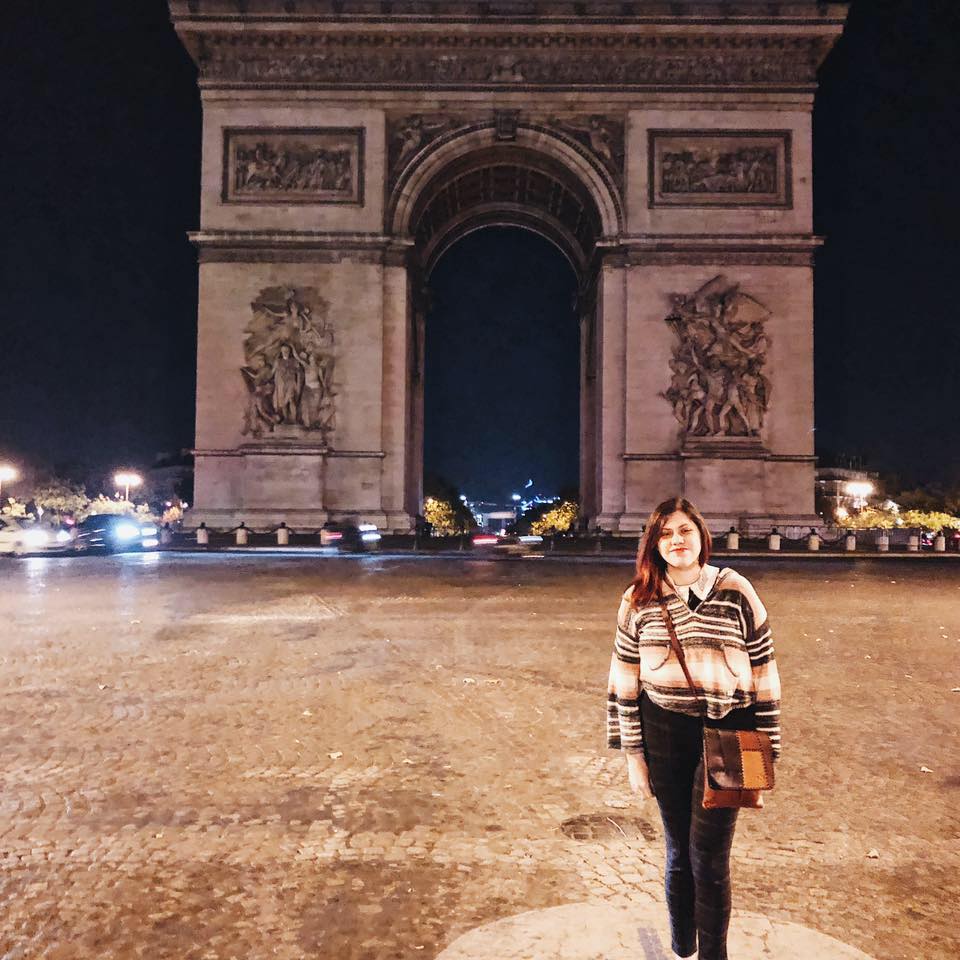
    Before I had the opportunity to visit Paris with my wonderful mom and brother last year, I had a theory. I told myself that, if I found and read enough books set in Paris, I could pretend I had been there before.

    With each book that I read set in Paris, I believed that the street names and locations would become more familiar; I could create a sort of map in my head of the City of Light.

    Can Books Replace Reality?

    The map was not accurate, though, for many reasons. Here are a few:

    • You can only experience a city in a novel to a certain point. Different authors reflect different versions of themselves in their stories. Victor Hugo and Charles Dickens are not going to paint the same version of Paris.
    • The books that I read were set in different time periods. We have WWII-era Paris with airplanes and bombs; then we have Emile Zola’s novels, where marketplaces were described in minute, fascinating detail. This is not a bad thing: It means the city has many faces, and through books, we can see them all.
    • The struggles of the characters change the flavor of Paris. Is the character happy living there, or are they trying to escape? Are they grieving a death or celebrating a marriage? This is the joy of literature.

    While I did not create an accurate present-day map of Paris, I still benefited from my collection of books set in France. I felt connected enough with the city to satisfy my inner traveler until the day I made it there. Then I was blessed to see Paris with my own eyes; thanks Mom!

    I know there are more books set in Paris and I am still woefully underread as far as the lists go. I have not yet read bestsellers such as The Nightingale or The Lost Girls of Paris; I do plan to read them eventually.

    Here are five books I did read and enjoy.

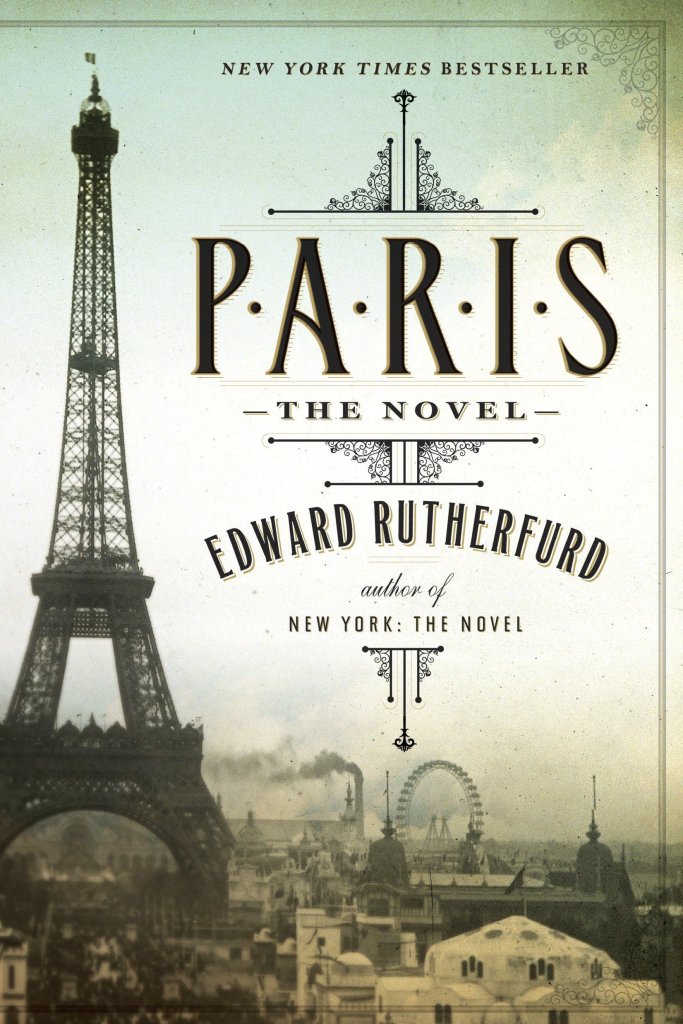
    1- Paris by Edward Rutherfurd

    Edward Rutherfurd writes novels in which the main characters are cities, rather than people. I have only read one to this day, Paris, a sprawling 800-page glimpse into Paris that covers different time periods. My favorite scenes were those written during the construction of the Eiffel Tower. I enjoyed seeing the city as she grew into what she is now.

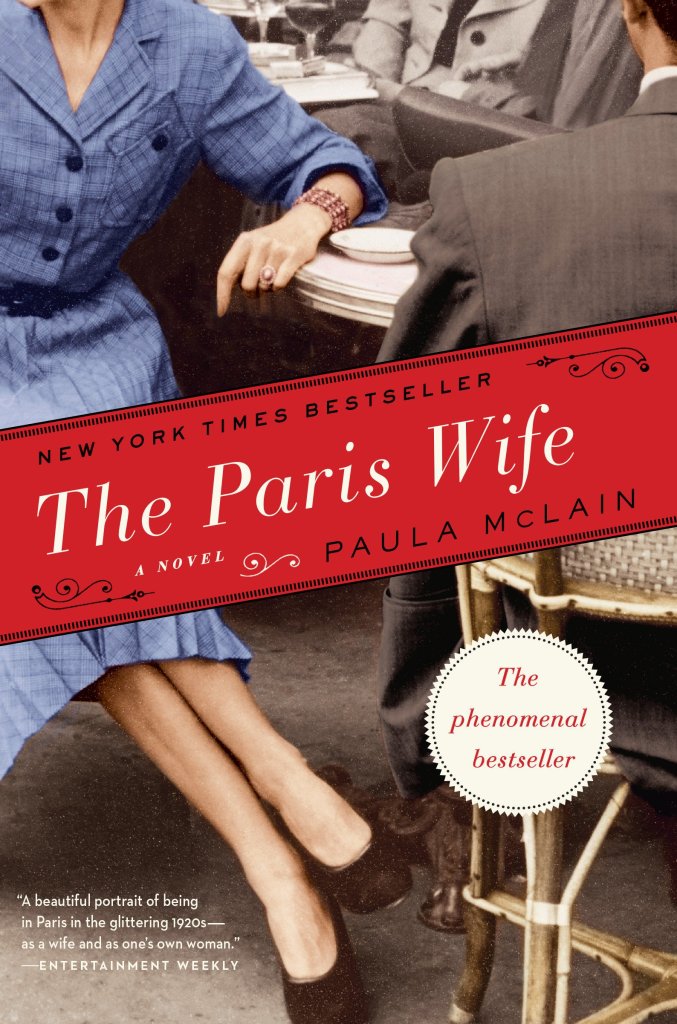
    2- The Paris Wife by Paula McLain

    This was a beautiful and heartbreaking fictional account of Ernest Hemingway’s wife, Hadley. It features legends such as F. Scott Fitzgerald and Gertrude Stein. Imagine becoming such a famous author that you’re a character in someone else’s book. I hope if that happens to me one day, I’ll be an interesting one!

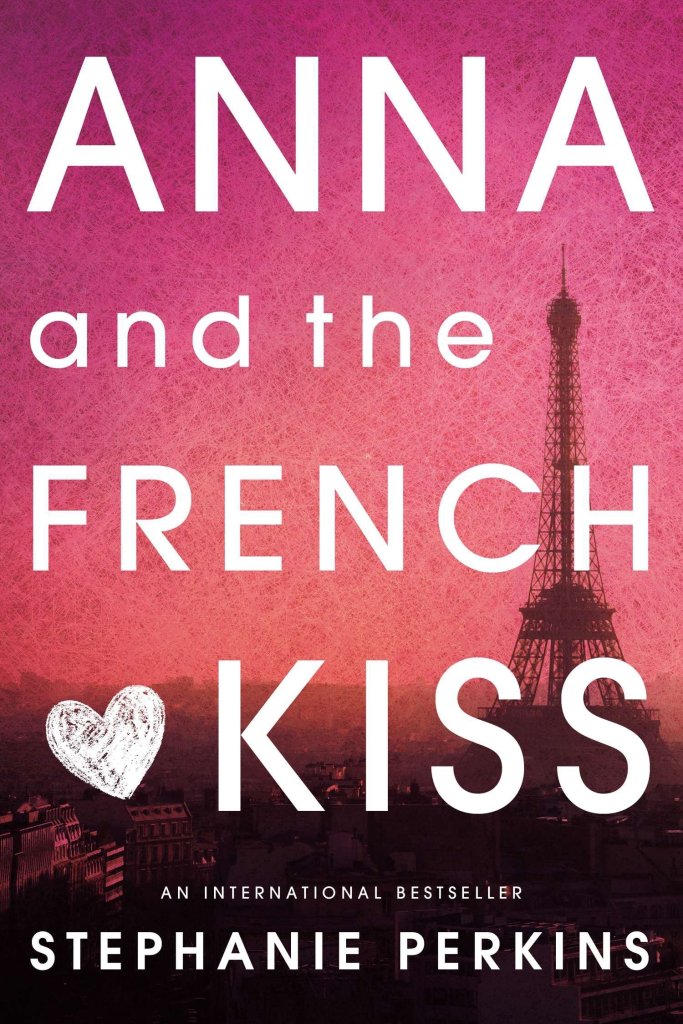
    3- Anna and the French Kiss by Stephanie Perkins

    For fans of YA fiction, Anna and the French Kiss simply has to be on this list. I like that it showed Paris from a student’s point of view; Anna is going through different life changes. At the time when I read it, her angst was more relatable. The story is simply lovely.

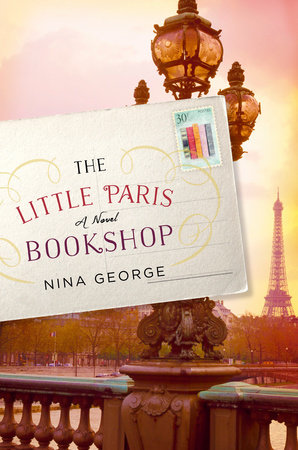
    4- The Little Paris Bookshop by Nina George

    If you need a reason to give this delightful novel a try, here’s an excerpt from the blurb on the back:

    Monsieur Perdu calls himself a literary apothecary. From his floating bookstore in a barge on the Seine, he prescribes novels for the hardships of life. Using his intuitive feel for the exact book a reader needs, Perdu mends broken hearts and souls. The only person he can’t seem to heal through literature is himself; he’s still haunted by heartbreak after his great love disappeared. She left him with only a letter, which he has never opened.

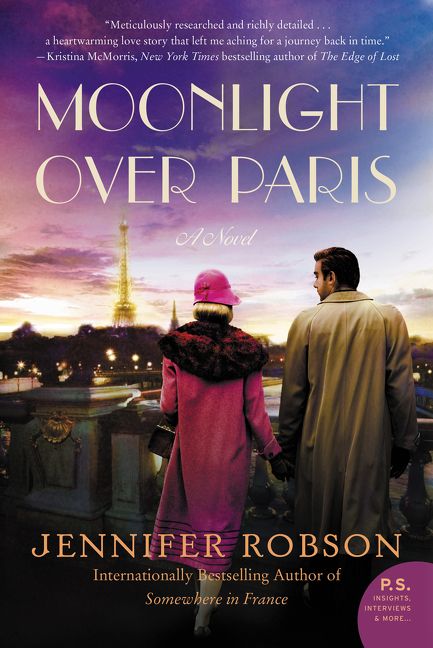
    5- Moonlight Over Paris by Jennifer Robson

    Okay, here I’m cheating. I read Moonlight Over Paris after my visit to that delightful city, but it was still an enchanting read. It’s apparently part of a series, so I will keep an eye out for the others in that series: I found this third installment in a secondhand bookshop.

    Books & Travel

    While reading didn’t really take me to Paris as it is now, I can’t deny that reading takes you on an adventure. I met Hadley Hemingway and explored the marketplace of La Halle in The Belly of Paris by Emile Zola (who wrote more books set in those remote parts of the city; he loved it dearly.)

    Do you have any suggestions for books set in France? Perhaps you have a favorite that isn’t listed here? I would love to know. Leave a comment and I’ll check it out!

  • 5 Things My Garden Taught Me

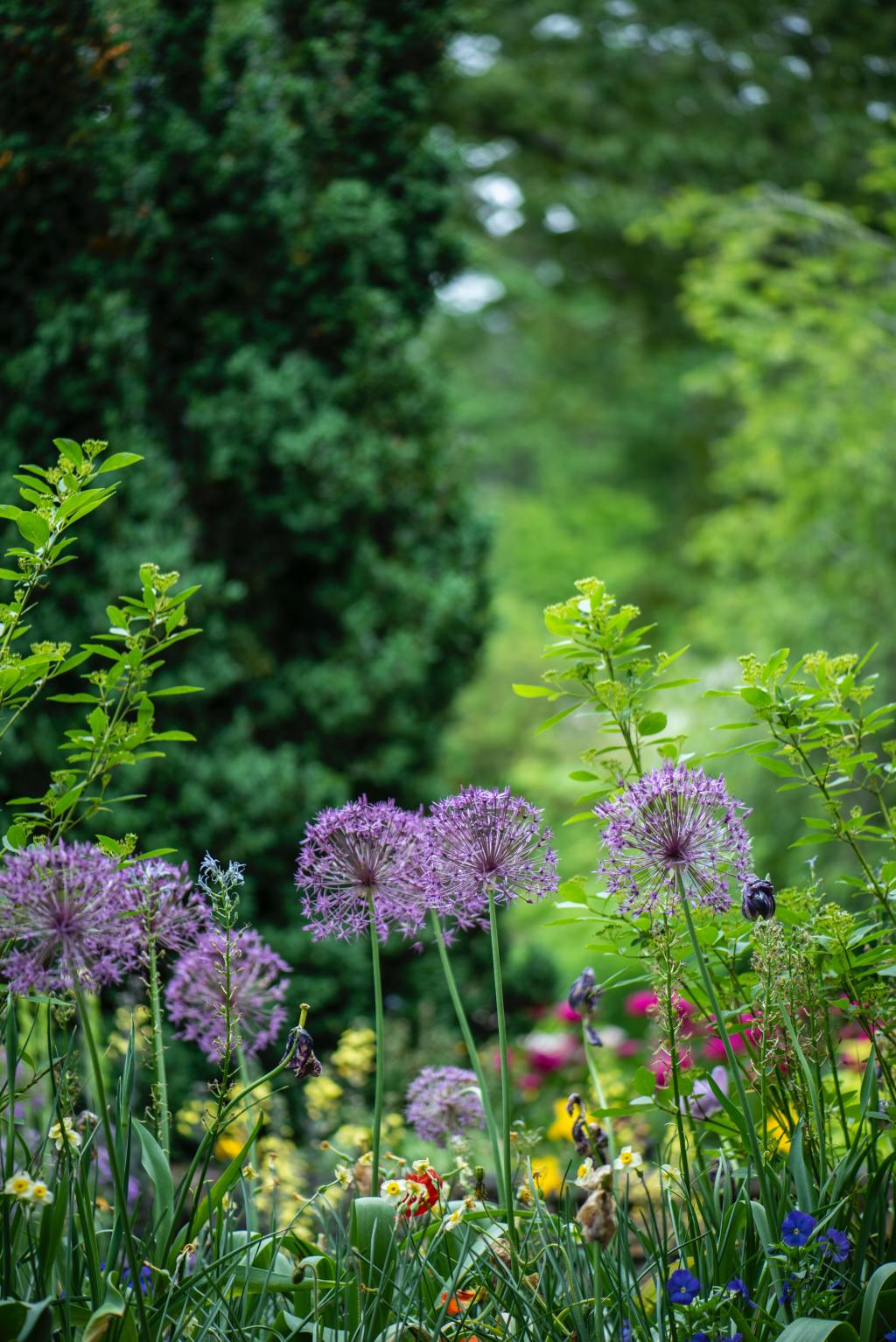
    I have spent the past three years gardening, confiding my secrets to the great outdoors. It taught me about far more than the different kinds of flowers and how to care from them.

    Through gardening, I realized humans are just complicated plants.

    I’ve learned so much truth from Mother Nature and her behavior as the seasons change from warm to cold. She’s taught me about persistence and told me that it’s okay to go slow at first. She also assured me that it’s okay to stop what I’m doing and “sleep” for a while.

    Every living thing deserves a break.

    Here are five useful lessons I learned out in my garden.

    If I must be rooted, plant my feet in rich soil, let my womanly flesh harden to bark, and let my limbs, robust in sleeves of evergreen, keep reaching for the sun.

    -Jane Elle Glasser

    1- Flowers Don’t Compete

    Don’t ask me what the most beautiful flower was that I ever found in my garden; I wouldn’t have a response. Watching them blossom and spread out before me, I can’t say one has smoother petals or a nicer color.

    Flowers are beautiful in their own way. They are content with what they are, and pay no heed to their neighbors’ looks.

    Humans could learn this trick, too: we would be happy if we stopped competing with our neighbors for things—beauty, riches, fame…

    2- Flowers Rest

    We humans always feel like we ought to be busy. If we aren’t working on chores or doing extra hours at work, a little voice tells us that we aren’t contributing as citizens.

    In short, we feel useless.

    Flowers have no such fear. They bloom when their time comes, and then peacefully bow their heads when it’s time to rest again. Perhaps next year they’ll return; perhaps not. They aren’t doing this for us.

    Flowers don’t grow all year for our delight. They grow when spring comes around because that’s what they were meant to do. When it’s time to die, they don’t protest.

    Were we humans not also meant to rest?

    For to me, to live is Christ and to die is gain.

    Philippians 1:21, NASB

    3- Flowers Let Go

    Some flowers continue to grow back on their own, year after year. This is called reseeding. They drop seeds when their time is through one year. When spring returns a few months later, you’ll find that they have spread out and taken life on their own.

    Here’s a list of flowers that reseed, if you want to plant some in your garden, too!

    In other words, you could leave certain flowers on their own and you’d still have a garden growing come spring!

    However, this would not be possible if they hadn’t first died and dried out. Could we not use this tactic, ourselves? What beauty would result if we allowed a struggle to change us?

    4- Flowers are Patient

    Can you imagine the patience it must take to be planted underground?

    A human might be restless to see herself fully grown. We are anxious during our diets to achieve our weight goal. This even applies to online shopping; once we order something in the mail, we can’t wait to receive it.

    Flowers have to wait for everything, and they do so without complaint. After they’ve poked up through the dirt, they emerge as tiny seedlings; these seedlings take weeks to grow into something that’ll produce flowers.

    Flowers know how to wait. Why don’t we?

    5- Flowers Welcome Rain

    No one knows the benefit of a good rainstorm more than a flower. While the rest of us vanish into our houses, the seedlings outside the window are cheering on the coming thunderstorm.

    They know that a bit of rain and bad weather will help them grow lovely and strong.

    How do we deal with rain in our everyday lives? Much of the time, we don’t. We pretend certain problems will go away on their own, instead of dealing with them head-on. We miss the opportunity such struggles offer to help us grow.

    Let us strive to be like the flower, never passing up an opportunity to grow and thrive. We’ll stand taller and our stems will be stronger, able to surpass any storm that might assault us later.

    Conclusion

    You might find more wisdom out in your garden than you would in the pages of a book. Being a writer, I would not say this if I didn’t feel it to be true. Their silent lessons prepare us for the long winters of life.

    I can’t wait to look back on my history as a gardener and ponder on the things I learned while watering a seedling.

    Share this with someone who enjoys gardening!


  • It has been a long while since I read a book that warmed my heart as much as this one did. A Provision for Love by Heather Chapman was too short, in my opinion. This might be a good thing; in many cases, the short books are more potent, finding their places in your heart more easily.

    Ivy’s grandmother has written for her a list of qualities to seek in a potential husband; this list includes traits that mean a man isn’t worth Ivy’s time. The list is written in a poetic form, and in some places borders on absurdity, but it was fun watching as Ivy sized up her possible suitors according to the advice that her grandmother had given—and watching Grandmother have fun as she watched the process unfold.

    I was satisfied with the ending; I don’t think Ivy’s choice could have been more perfect. The list worked; it led her to a worthy gentleman—or rather, opened her eyes to the gentleman who had been standing in front of her the entire time. I know I will be reading this delightful little book again.

  • Peace in May


    It is May, and with May comes hope in new life.

    I feared that I would not have a flower garden this year. When we finally returned from Peru, it was verging on too late to plant some of the flowers that I had considered my favorites last year. In the end, I had no reason to fear.

    Along with pregrown flowers bought from the store, I have been able to plant cosmos–my favorites–from seed, and I will delight in watching them bloom this year. I found out that some Bachelor Buttons had planted themselves in unlikely places, meaning that it’ll be a bit awkward to mow the lawn.

    In a time of high anxiety, nature has not let us down. Birds have come to rest on branches, their song serenading Creation as, sobbing quietly, it heals. I always found that stepping outside was the most effective form of therapy for me.

    The garden waited for me patiently; now, I plant daisies and tend to it, loving nature just like it is loving me.


  • I would love to say that I am #StayingAtHome, but I found this situation more complicated—and emotionally loaded.

    When we first arrived in Peru, we were staying in a hotel. This was where we were when, halfway into our trip, a quarantine and curfew were set; all of the stores closed. Any place that we might have gone to have fun has been shut down for weeks.

    After that, we left the hotel to spend the remainder of our trip at our grandmother’s house; there is still nowhere to go except for the grocery store.

    Boredom can be painful.

    I expected that quarantine of such a nature would give me inspiration to finish a book. Instead, I’m writing a few chapters, but they are good ones.

    It’s hard to focus on creative writing when the media makes you so hyper aware of the bad things happening in the world. We are all feel a little out of place. We are all celebrating small victories, like finishing a chapter or reading a long book.

    As we wait out the last three days, hoping the U.S. Government will get us home, I’m allowing myself to feel the negative feelings. They can lead to clarity. They can serve as inspiration. Ultimately, they can guide us.

    I hope you’ve found something to keep you sane during this time. We are all seeing the world in a different way; how have these events changed your viewpoint?

  • New Book – The Mermaid of Rose Hill – Out Soon!

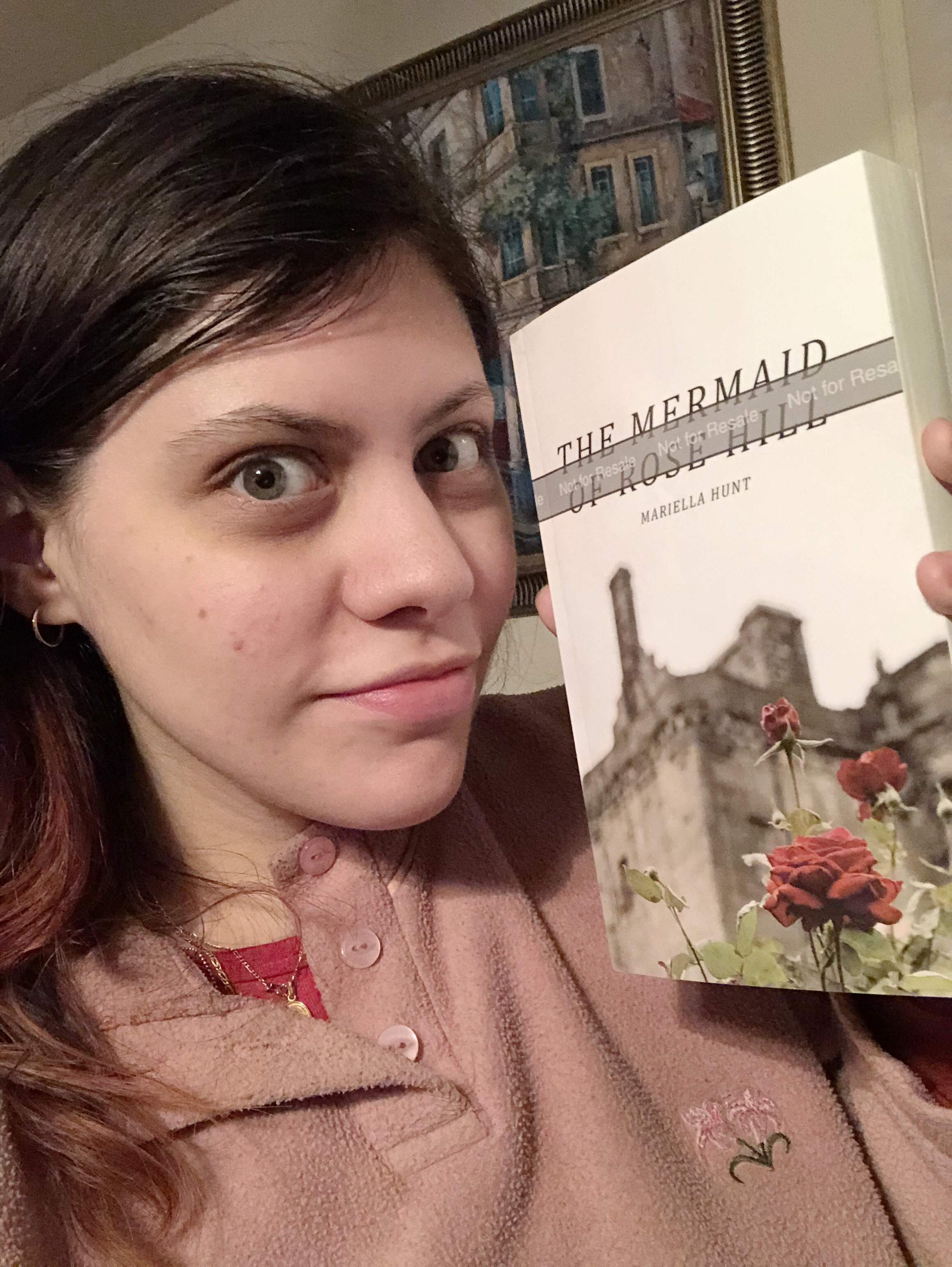
    Here is a photo of me with a case of lazy bed head, holding a proof copy of my new novel, which I plan to release this month.

    The Mermaid has been my project for the last two years or more. It began as an urban fantasy, but I decided to challenge myself and write it as a historical fiction. It was a much more complicated but rewarding experience; it will be the first book of what I foresee as a long series with lots of novella spin-offs.

    I’ve been sharing teasers on Instagram and Twitter. I am very eager to be an active indie author again.

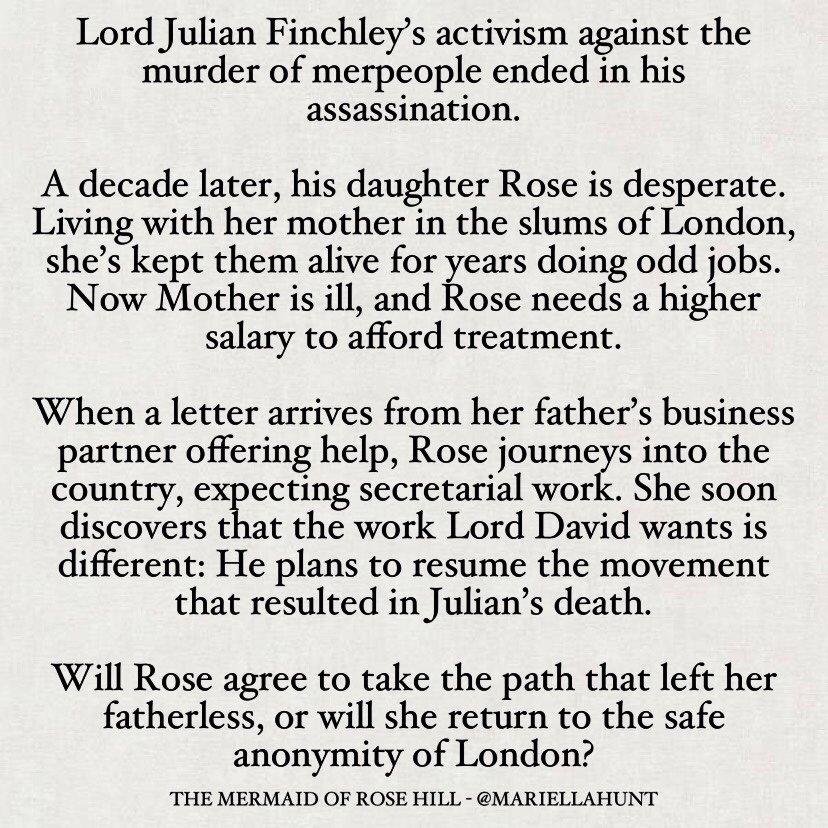
    If you want to know what it’s about, here’s a blurb I wrote a while back; it isn’t perfect, but close enough!

    While I haven’t decided on a release date yet, it’ll be before the 20.

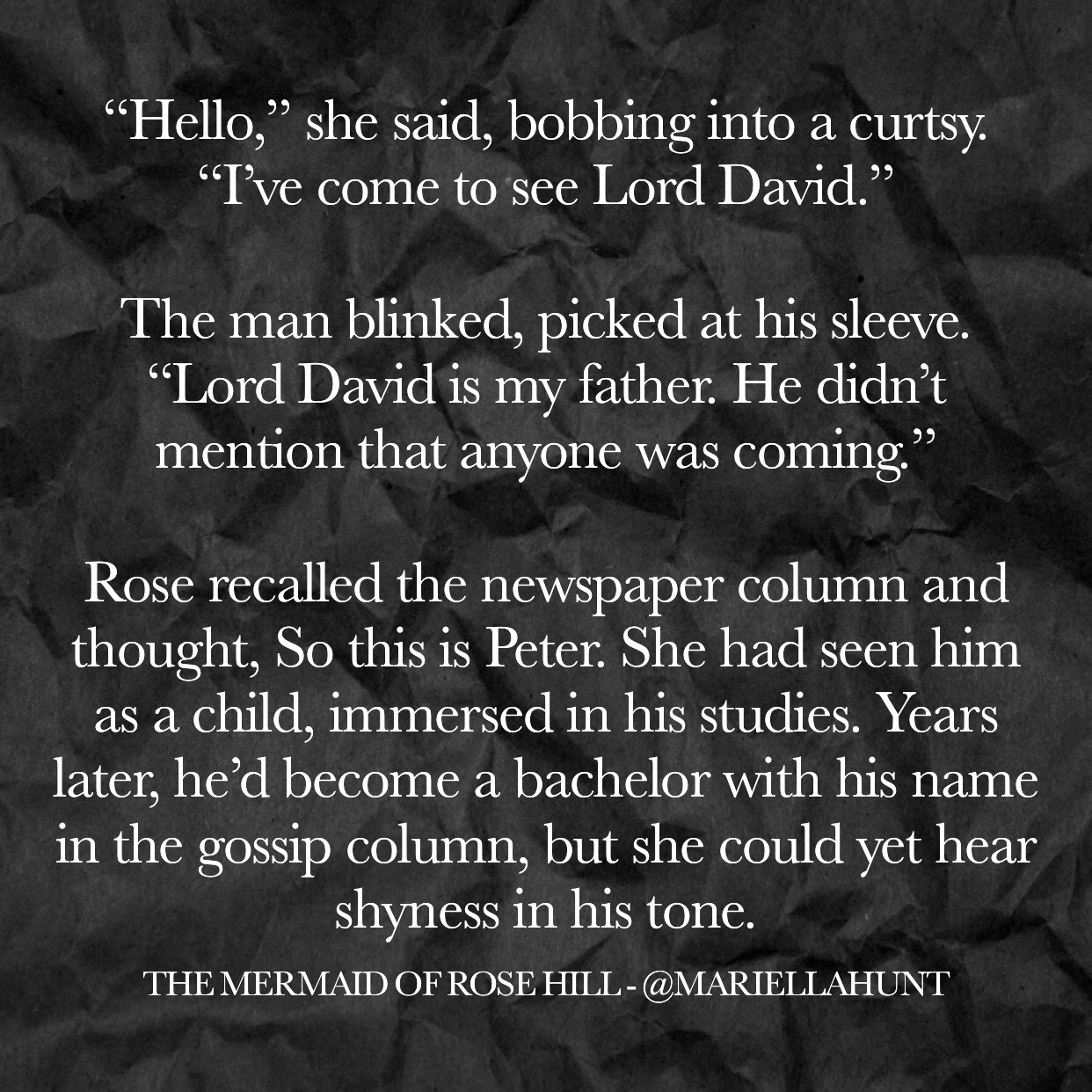
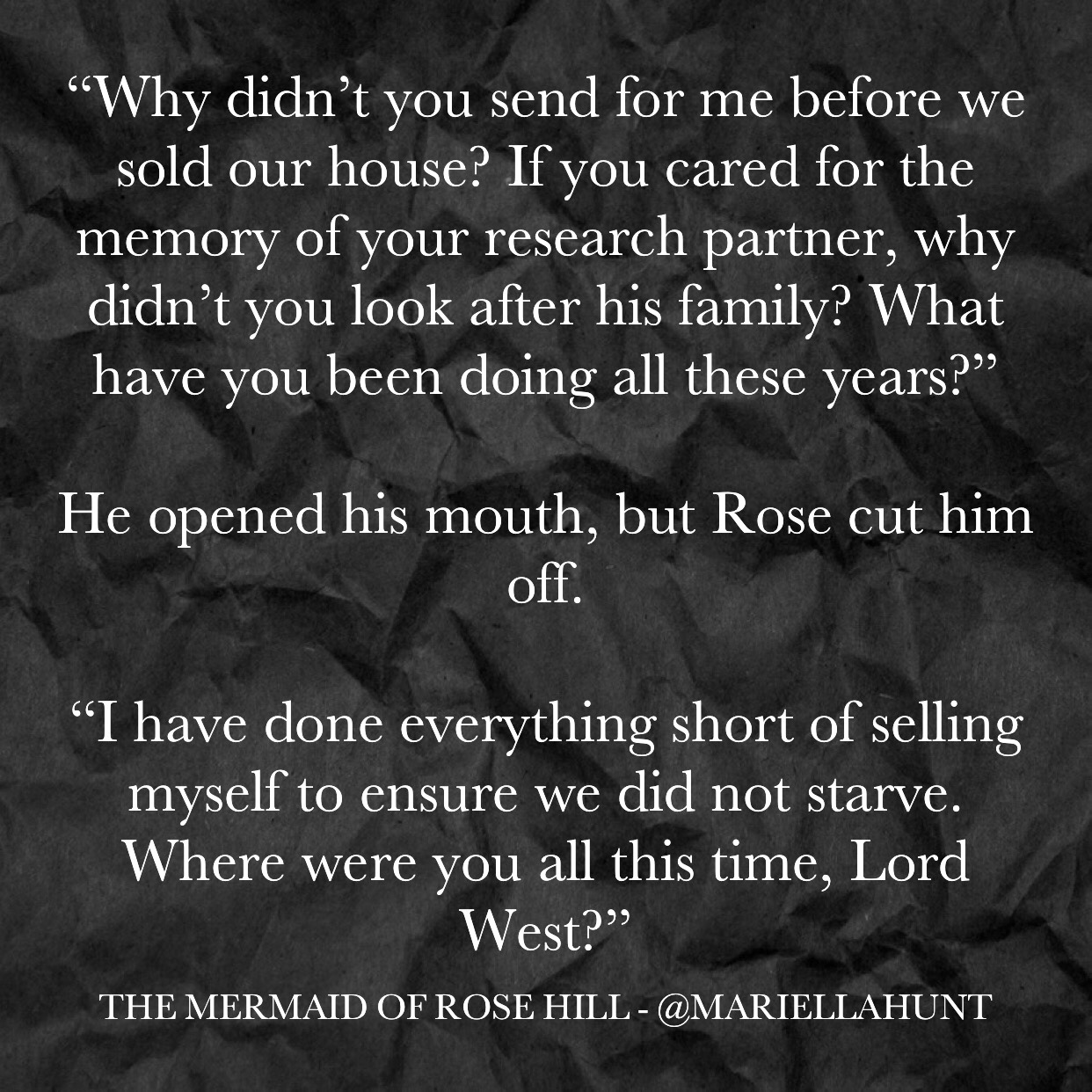
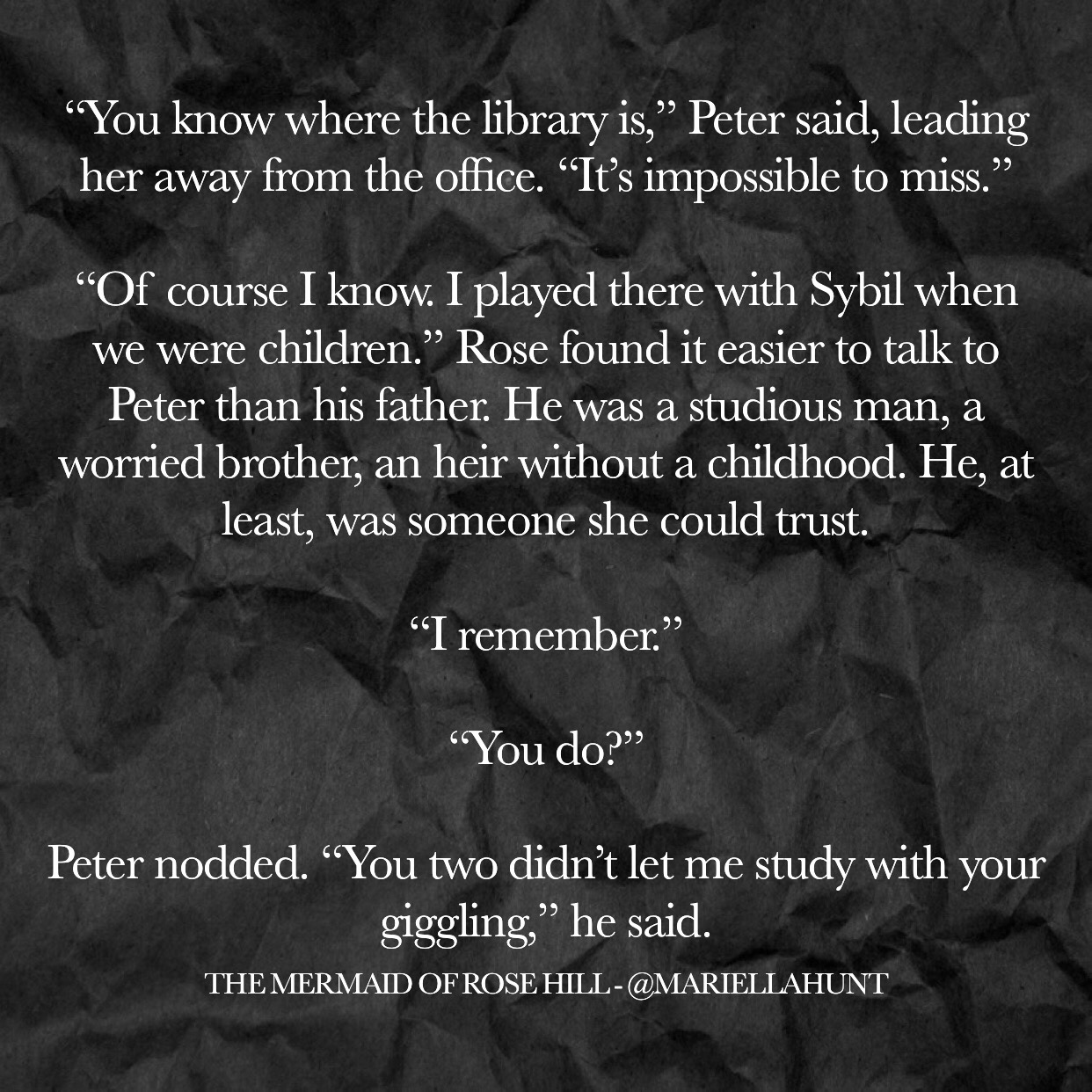
    Here are a couple of the teasers. I do hope you enjoy this book; it’s my baby!

    I might be sending out some ebook copies for review; if you’re interested, let me know!

    -Mariella x


  • ryosuke-yamaguchi-a5GEChK82mM-unsplash

    The butterfly is a flying flower, the flower a tethered butterfly.
    —Ecouchard le Brun

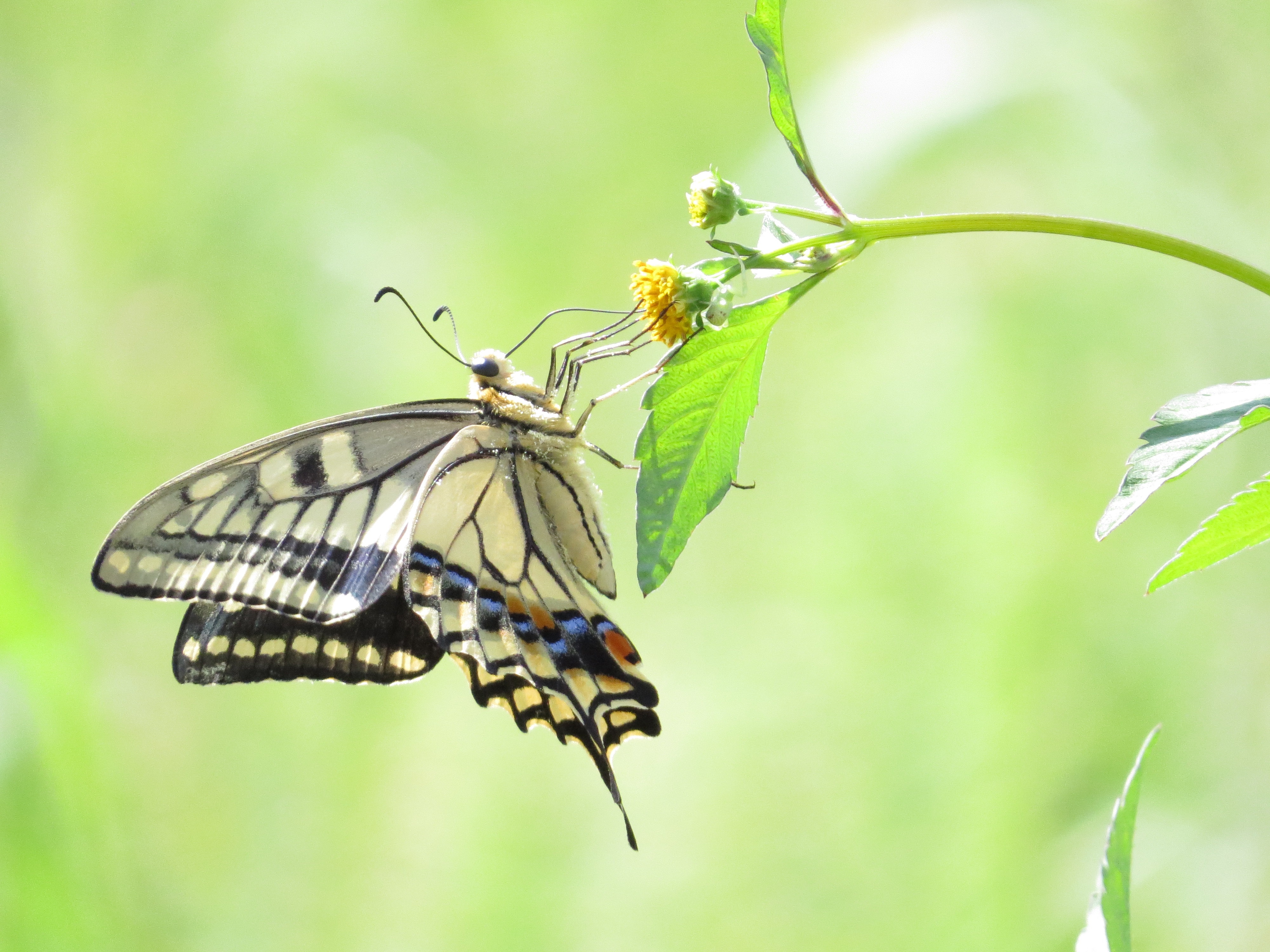
    Every spring we look into the flowerbeds, hoping to see their fluttering wings. They’re the daydream of the child, and the memory of the gardener. They inspire awe and wonder, and we create environments hoping to attract them.

    Butterflies have enchanted poets and artists since the beginning of time. They are documented in field guides. We watch from April to September, hoping to catch a glimpse of a Swallowtail or a Monarch.

    Many people do not know the rich collection of mythology concerning butterflies. Perhaps you’ve heard it said that they carry messages to heaven; you might count the spots on their wings to predict how many children you’ll have.

    There are many more tales where those came from. Butterfly mythology is fascinating. Knowing what our ancestors said enhances the thrill that we feel, watching them vanish into the sky.

    Here are three pieces of folklore involving these lovely insects:

    • Native American lore is rich. One of their stories is that the serpent god, Quetzalcoatl, was born of a chrysalis. Native Americans are not the only ones to make symbolism of the cocoon; to many, it represents the struggle as we move from one phase to another. We break our cocoons to face fresh challenges with wings and wisdom. The butterfly cocoon is often more beautiful than the creature itself.
    • In many parts of the world, pagan tradition has a special place for this elegant insect. In Ireland, it’s considered bad luck to kill a white butterfly—they’re believed to symbolize the human soul after death. Most of us don’t think much of the white butterfly, our eyes seeking out color instead. In Ireland, this cannot be; we must pay attention, lest we pass a spirit and not pay it due homage.
    • In other places, we should look for the red butterfly. According to Icy Sedgwick, red butterflies often mean important news is on its way. However, the Scots believed red butterflies were witches, an example of how two cultures can see a thing differently. It doesn’t end there: if a sailor saw a yellow butterfly, he might perish on his next journey.

    Special mention: if you want a fascinating read, visit Dealan-De’s account of The Wooing of Etain.

    When spring comes back around this year, keep an eye out the window for a red butterfly; it might be a witch. And if you are a sailor, be kind to the yellow butterfly, lest you get into a boating accident! Remember that, out in the garden, anything is possible.

  • Art is Magic

    Art is Magic


    Art is something that comes alive and seeks to change us forever.

    Wonder at how, so many years later, the Mona Lisa still has lines after lines of people impatient to see her smile. Think of how certain quotes from certain novels echo down through generations, while most of our own whispers vanish into oblivion.

    Renoir, Young Girls at the Piano, close-up

    Art is the only true form of magic and only art is immortal. It can thaw the frozen heart when nothing else could. It brings us centuries-old pain, and also relief from that pain.

    Don’t cast a spell; a poem will do.

    I’ve always held this view. I used to think my preference for classic works was a result of my personal desire to be the next Dickens—but art does not work that way. We all hold it differently.

    There is no way I can be the next Jane Austen.

    Now I think my fascination is a result of nostalgia, one we all feel for times past. We all have heroes long-gone that we would love one hour with. There always comes a moment when the present, fast-paced world is not enough.

    So we take up art, this shapeless and fiery thing, to recreate what no longer is but still is close to our hearts. We write back into history. We conjure our heroes, create unicorns, slay dragons.

    Art is magic, and art is alive.

    Now I look at myself. My heart is in a place long-gone when grand balls were popular, women wore dresses of flowing silk, and carriages rattled. This is what I will recreate with the magic handed to me; it is a lifelong goal.

    It requires much, though. To uncover gems of story, I have to do research. To make my characters feel real, I need to know where they would go, what they would eat, how they would dance. As I grow older researching, my heart will be more caught in that time than this one.

    Come to my blog and learn with me. Our Elizabeth Bennetts might seem far away, but using the magic of art, we come closer with every step forward that we take.

  • Castles Brick by Brick


    I am excited to be near the final edits for a project close to my heart.

    The Mermaid of Rose Hill has been through several amazing beta readers; from each of these people I’ve received fantastic bits of advice, enough to polish it off. Enough, perhaps, to release it soon.

    As you might expect, it hasn’t been easy. Even though I’ve always been an author of fantasy, I don’t think I’ve ventured this deeply into the genre. All of a sudden, I had to come up with folklore; it was terrifying.

    Though Mermaid was meant to be a low-key historical fiction with fantasy elements that happened to be in it, the text lacked backstory.

    I knew there were gaps that should be filled, and doing so would be fun, but fiction is scarier than reality. It needs to make sense. It might seem simple, from a distance, to add the “finishing touches” to a fantasy world; for some reason, though, when I thought of doing it, I froze up.

    I think that the heavy book called Grimm’s Fairy Tales caused me to hesitate. I know that comparing myself to the Brothers Grimm is foolish, but I did not believe I could make up my own folklore. I looked at Tolkien’s imaginary world, as well, and knew I could never write something elaborate as that.

    Still, something had to be done. I sat and started writing backstory in snatches and sentences. I quoted excerpts from news articles I might never finish about sightings that could be terrifying.

    You build a castle brick by brick; I am building my mythology scrap by scrap.

    This month, I am beginning what I hope is the final edit for The Mermaid of Rose Hill (though, if it needs more time, I won’t rush it). I think I have enough material to move on to book two.

    I should have done this a long time ago, but I was afraid. Authors, when you’re intimidated, remember: castles are built brick by brick.

  • Imagine Success


    2020 is young, and sweet progress is being made. I’ve written 10,000 words towards my first novella of the year. I am hoping for four of them.

    As I wade through the tale of Isolde and Gareth, I can’t help reflecting on how my writing process has changed since I began. It’s more mature; for instance, though I do not outline much, I need a checklist of events. I sort through scenes in my head, and try to pick those that are absolutely necessary.

    With a goal of 30-33,000 words max for The Price of a Unicorn, it is important to choose the most necessary scenes.

    My writing prompt app said today, Imagine success. That sent a wave of excitement through me. Though success comes in many forms (for instance, writing 10k is success) the prompt made me think of what I want from my stories.

    I have a mermaid series in the works, and a fantasy trilogy loaded with magic; now, I have my side project of novellas. These novellas play out in my head like television shows, more than my books did. I might rewrite them in screenplay form.

    When the new year began, I made plans for the next ten years. I want to read all the classic novels, including obscure ones you won’t find in bookstores. I want to be decent at the piano.

    Most importantly, by the time 2030 comes around, I want to have plenty of stories published. I have all that I need to succeed as a storyteller; until this year, I only lacked motivation.

    You ask me to imagine success; I see a shelf full of books with my name on them. I see journals of poetry. I see memoirs of my travels, articles, and anthologies.

    The next ten years, God willing, shall be full of ambition and learning. It’s possible, when I quit procrastinating. It’s possible, when I believe in myself. I have so many stories to tell!

    When you imagine success, what do you see?


  • On my iPhone, I have an app that generates writing prompts. Yesterday’s prompt was “What excuses are you making?” When those words popped up, at once I pictured dozens of things I’d convinced myself were more important than my writing.

    The foremost was, “Reading isn’t wasting time! Writers read.” Reading is important, but when it makes you so busy that the story is never written, you wind up wasting opportunities.

    All sorts of excuses followed. I’m helping friends; I’m world building; I’m waiting for the right month in the summer. These were my excuses but, minutes away from beginning a new year, I could no longer allow excuses to slow me down.

    If I wrote all the ideas in my heart, I would have a shelf of work. No doubt, the reading I’ve been doing would have helped with it—but, even though writers read, what they must do is write.

    Here are my plans for this year:

    My beta readers have given me fantastic feedback on The Mermaid of Rose Hill, so I will begin my (hopefully) final edit later this month. Before I go back to editing, though, I want to have a bit of fun.

    I’m writing a series of fantasy novellas loosely based on the TV show Once Upon a Time, though the storylines aren’t the same. Knowing my writing speed, I can finish a novella in two weeks or less; today, I have been outlining it, crafting the characters, and trying to make everything tidy as possible.

    I have another novel I wrote a couple of years ago that I’m also considering self publishing. Whatever happens with Mermaid, I will always favor the indie path, and a lot of people enjoyed the novel in question. I’d love to share it with you.

    What excuses are you making? Every moment is a chance for you to improve as a writer, in ways that might surprise you. I’m planning my career for the next ten years, outlining novellas and giving ideas the attention they deserve. I’m applying dedication to the craft that I should have done earlier.

    By the time this decade ends, I might be a successful author; I might not. At least I’ll have done what I loved, the craft that creates new worlds.

    My plan for the new roaring twenties is to reach my full potential and stop making excuses.

    Happy New Year! I hope you have a blessed one!