
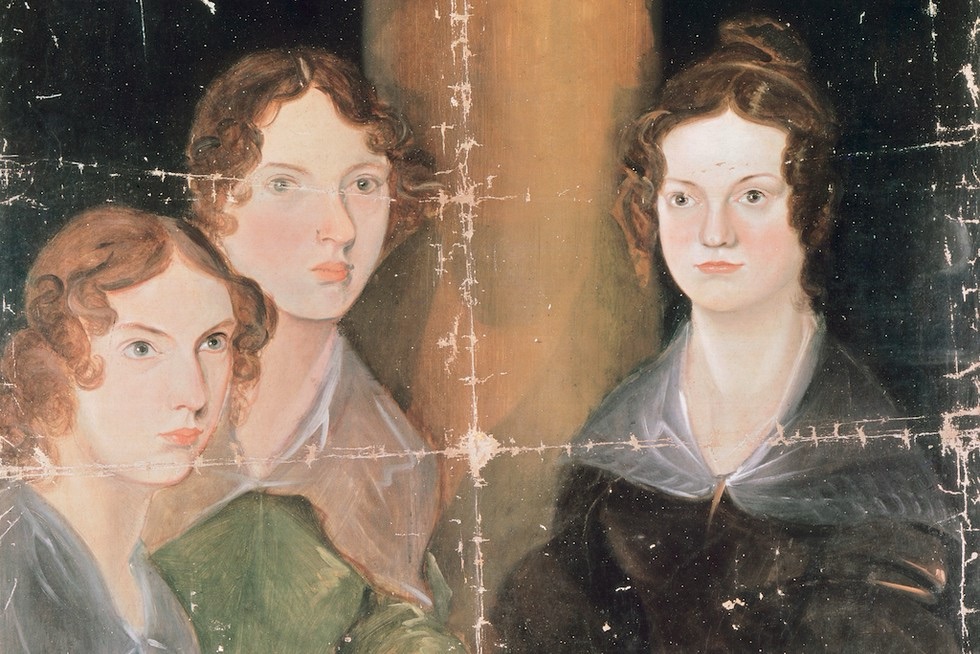
Mary Shelley’s Frankenstein is often called “a book about a monster,” but having read it several times, I don’t think that’s why it endures. What makes it singular is the emotional darkness readers wade through from beginning to end — loss, anger, abandonment run through every chapter. These aren’t incidental; they connect directly to Shelley’s own struggles. She lived a life many called scandalous, wrenched again and again by loss.
I’ve been considering the unique emotional environments of novels by Shelley and the Brontës, and the poetry of Emily Dickinson, to figure out what it means to “write what you know.” The more I sit with their work, the more it seems the advice depends entirely on what we mean by knowing.
Does one have to have physically been there or experienced it?
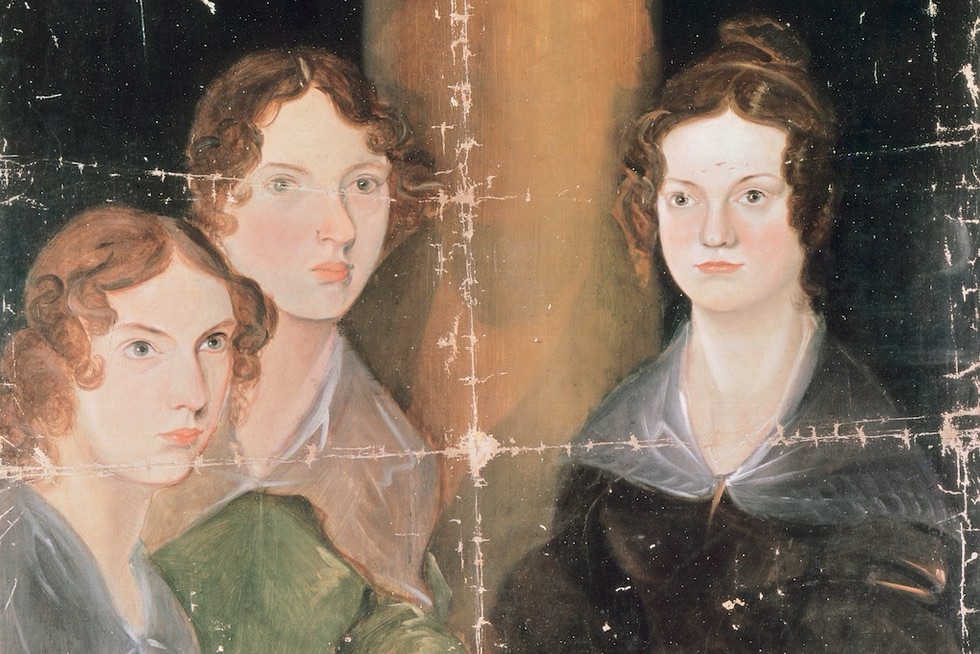
Their own lives argue no. Shelley wrote a creature’s isolation without being one. The Brontës wrote moor-haunted romance as young women who’d barely left Haworth. What they had wasn’t the event itself — it was the feeling underneath it: grief, longing, ambition. That they had genuinely lived, even if the circumstances around it were invented.
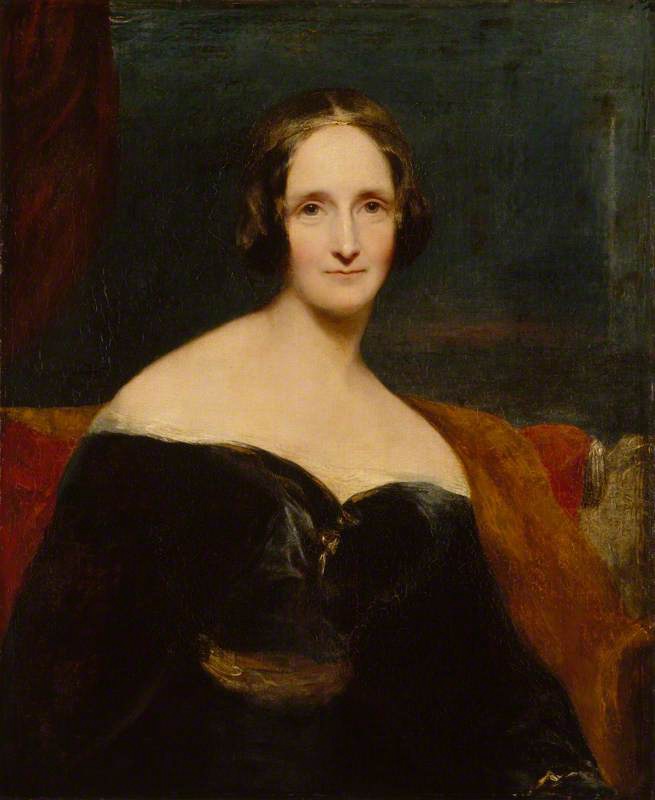
Is it not true knowledge to experience a thing or place in imagination?
This might be the real crux of the question. Dickinson is the clearest case — she knew longing, awe, and dread without needing the external experience most people assume is required to write about them. Imagination isn’t a lesser substitute for lived knowledge. For some writers, it’s the primary instrument for reaching emotional truths they’d have no other route to. The Brontës’ childhood kingdoms — Glass Town, Angria, Gondal — make the same case from another angle: pretend worlds, built young, trained real emotional insight that surfaced decades later in Jane Eyre and Wuthering Heights.
Is it still worth writing what we know if the subject matter is heavy, or something we’d prefer not to know?
Shelley’s losses weren’t chosen. She didn’t get to opt out of that knowledge — Frankenstein is what she did with it anyway. That suggests the heaviest material may be the most worth writing, not despite our reluctance to face it, but because of it. Reluctance is often a sign the material matters.
There’s a distinction worth holding onto here, too: writing something painful in order to understand it is not the same as writing it for shock or spectacle. That difference in intention tends to show up on the page, whether or not a reader could name why.
Taken together, these three writers suggest that “knowing” was never really about passport stamps or a full social calendar. It was about attention — paying close attention to what you feel, fear, or long for — and having the courage to put it down honestly, whether or not you ever lived the events themselves.


Leave a Reply