• The Autumn Prince Novel: Cover & Excerpt

    How are your NaNo novels doing?

    I am pleased to say that I have reached 32k and have an end in mind, which is more than I can say for other NaNo projects–indeed, more than I can say for any writing projects at all. Also, my friend Kristia made a beautiful cover that I could finally display on the website!

    12248574_1092543830755763_1503324236_o

    I thought I would share an unedited excerpt from the novel. You guys, I am extremely proud of how it’s turning out–proud that I could turn a short story into something more complex, expanding on beloved characters and adding detail to the environment. Thank you for all the support when it was still a serial; it was that support that encouraged me to make it a novel.

    Here’s the excerpt. I can’t wait until you can read the whole thing!

    Her eyelids fluttered, but she did not yet wake fully. Dreams pulled her back in; she was running in the leaves with a boy her age, his face glowing as he called her name, “Ginny! Ginny, you’ve got to be faster!”

    Her eyelids fluttered again and she thought, I know who that is. “Caspar,” she breathed, not a question but a certainty. Dreams tugged at her once more.

    She was chasing the little boy because he’d stolen her button doll. “You’ve got better toys!” he taunted her, but she screamed and threw rocks at him until a tall man in a black coat broke them up.

    “Your Highness, Lady Genevieve, that’s no way to behave! You’re supposed to be friends.”

    “He took my doll!” she screamed.

    The man pried her button doll out of young Caspar’s hand and promptly returned it to her. “Your mother will have to talk to you about stealing things, Prince Caspar,” he’d said, to which the boy scowled.

    In the waking world, she felt someone touch her hand. “Lady Kelsea,” said a familiar voice, soft as if he feared she would flee like a spooked horse.

    But she wouldn’t. Kelsea finally broke away from those dreams, opening her eyes to blink away more tears. She was still on that armchair, and he sat on his knees before her, eyes shiny with grief.

    It felt as though the ground were falling beneath her. She couldn’t question that the memories were real; that very button doll now sat on her bedside table at home.

    Caspar knelt before her and waited, almost as if expecting her to strike him. Instead she said in a weak voice, almost a croak, “I knew you were familiar.”

  • Guest Post: An Author’s Thoughts on Labels in Literature

    unnamed

    People often ask me why I became a writer, and the answer is actually quite simple: I’ve been in love with stories all my life.

    And that love began with reading.

    I became enthralled by stories at a very young age. Ballerina Bess and Dr. Suess were my first loves. I’d listen with rapt attention as my mom read each story to me at bedtime. Before long I began reading them for myself, and soon my interests developed from picture books to Nancy Drew to everything Lois Lowry and Margaret Peterson Haddix. But as I began to learn about literature in middle school, a switch seemed to flip.

    Suddenly, I was all about the classics.

    Jane Austen was gateway drug into this arena. I read Pride and Prejudice through with voracious fingers, bewitched by Elizabeth’s spirit and Darcy’s noble heart. A few other renowned novels followed, including The Great Gatsby, A Tale of Two Cities, and The Lord of the Rings.

    But as I headed into high school, I began to despise the classics. In fact, it seemed like the more I read, the more I began to resent reading them. For a while I wondered what had gone wrong. Had I simply been lucky with the first handful I’d picked up? Were all those research papers for English class ruining the fun of reading? Was I allowing my classmates’ disdain for such books to cloud my own judgment?

    I never did figure out the answer, but I did begin reading modern fiction again and it didn’t take very long for me to fall in love. But believe it or not, I actually felt a bit guilty every time I picked up The Hunger Games or Harry Potter. My English teachers had primed me to think of such works as lesser than their classic counterparts, and somewhere along the way I had clearly drunk the Kool-Aid.

    This warped belief reared its ugly head like never before when I dreamed up the idea for my current work-in-progress, a medieval fantasy novel called The Dark Between.

    I’d always been interested in writing, but I didn’t consider it a serious passion for many years because I knew I couldn’t write the exquisite prose demanded of the Great American Novel. And I figured that if I couldn’t write a classic, I couldn’t write at all.

    But my passion for this new story idea was intense, so much so that I no longer cared if I wrote a novel that my English teachers would use for coasters. Regardless of its label, I was determined to bring this story to the world.

    And that determination, oddly enough, changed my life forever. I willingly fell down the rabbit hole to the wonderful world of writing, and I’m now well on my way to having that very same fantasy idea published.

    While I’ve faced many obstacles in my writing journey, I firmly believe that my warped understanding of critically-acclaimed fiction slowed me down though most. That may be a rather dramatic statement to make, but I often wonder what my life would have looked like if I had been encouraged to explore all avenues of fiction instead of just the one written largely by men long dead.

    The truth of the matter is that every type of fiction requires a great deal of skill to write well, and that means that every type of fiction is deserving of respect, no matter its label. After all, every style contains works of varied success. Some novels are critically acclaimed while others are harshly criticized, and others still are overhyped or underappreciated. And this occurs across the board.

    As both a reader and a writer, this tells me that I should never feel ashamed of preferring one type of novel over another. And you shouldn’t either.

    I often tell my blog readers not to worry about choosing their novel’s genre or title before they’ve begun to write. Instead, I encourage them to focus on bravely exploring the beautiful story that dances just beneath their fingertips. That’s the only way they’ll ever write a novel worth reading.

    Why? Because what I’ve painstakingly learned from years of experience is that labels don’t matter at the end of the day. Simple as that.

    As an author, your capability to create a unique landscape in the writing industry is incredible. YOU hold the power to create the story you want to write. YOU hold the power to market that story to interested readers. And because of that, YOU hold the power to shape the face of the industry forever.

    So if you want to write a feel-good romance that captivates wistful dreamers worldwide, don’t waste another minute. If you want to write a heart-wrenching epic that comments on humanity’s darkest predilections, pick up the pen today. And if you to write a novel that is so far beyond the scope of normal that you fear it will never sell a single copy, pour yourself a cup of coffee and go bravely unto the blank page.

    Commercial or literary, upmarket or downright insane…these labels don’t matter in the end. What makes your novel unique is what makes it valuable to the world. And if you write with your soul open to the page, you will enthrall readers with your work. Guaranteed.

    So don’t ever feel ashamed of the stories you long to tell, dear writer. The world needs them more than you can know.


    HeadshotKristen Kieffer is the creative-writing coach behind She’s Novel, where she helps writers craft novels that will endear readers, excite publishers, and launch their writing careers. Her latest creation, The Pre-Write Project, is an epic workbook designed to help writers prep their next novel in just five days flat. Kristen loves coffee, geeking out over Tolkien, and editing her upcoming medieval fantasy novel, The Dark Between. Want to learn more? Click here!

  • Review: Alice in Zombieland

    9780373210589_SHC_SMP

    I had never pictured Alice—the Alice we know and love—as a really tough girl. She was brave, certainly, but not tough. In Alice in Zombieland, Gena Showalter takes a beloved classic, making it intense and disturbing.

    Alice Bell’s father lives in a state of paranoia. For years she’s tolerated his claim that monsters exist. He stays up all night, keeping watch for threats she has never seen. Her mother also knows, but prefers to hide the frightening details from her daughters.

    The result is a life barely lived, one Alice has little patience for—until one fateful night on Alice’s birthday. She pushes and pushes until her parents agree to attend her sister’s recital. It’s a birthday gift that’ll end in disaster; on the way home, their car flips over near a cemetery and zombies kill her family.

    Alice is the sole survivor. Alone in the world, she suddenly shares many of her father’s traits, including his paranoia. Scarred, she feels as though Alice died with the rest of her family, instead going by the name of Ali.

    Set on revenge, Ali takes up her father’s obsession with finding zombies and killing them.

    What I enjoyed most about Alice in Zombieland was how different Ali was from classic Alice. She’s a strong girl with dark haunts that live in her head, taunt her memory, keep her awake at night.

    Ali Bell faces monsters much darker than Alice in the classic book. She fights with knives and swords, her heart loaded with anger and hatred. This Wonderland is dark and unsettling—and intriguing.

    Alice in Zombieland is an exciting thriller. Ali’s a strong main character with drive and plenty of heartbreak.  I recommend this book to anyone who wants an adventure with the right balance of horror and intrigue.


  • 3 Affordable Ways to Create a Dynamic Home Library
    By Miriam Bornstein

    There’s nothing quite like reading a page-turning novel, wearing a pair of your coziest socks and sipping tea from your favorite mug on a Sunday afternoon. No matter how large or small your living space is, creating the perfect reading environment is attainable without having to pay a fortune.

    Here are three ways to create a dynamic home library.

    Image Source: Matt White on Zillow Digs®
    Image Source: Matt White on Zillow Digs®

    1) Customize Existing Items

    If you want to get the most bang for your buck, use household items. If you’re bored with your current bookshelves, paint them a bold color or apply an ombre finish to the inside of your shelves. Polish the look by placing items on display, such as frames, funky artwork or memorabilia. Another crafty way to utilize vertical space is by repurposing an old ladder. Spray paint a metal ladder a jewel-tone color like sapphire or emerald green or stain a wooden ladder dark burgundy to add a colorful accent to your diverse book selection.

    2) Create a Library Table and Seating

    Access your book collection in a stylish and functional manner. Set aside a weekend to repurpose an old cable spool into a library table with minimal tools and materials. Head to your local home improvement store to pick up the all of your building necessities. Once you’ve created your table, top it with succulents for an eye-catching display without having to worry about water residue near your book collection. For an even cozier ambiance, add a reclining chair or love seat to encourage guests and family members to relax and stay a while.

    3) Divide a Room to Add a Library

    Short on space to incorporate a library? Break up living spaces by using a stand-alone shelf as a room divider. A wall barrier is especially useful for studio dwellers who desire separate places to sleep, socialize and maximize storage space. Place bins on the bottom shelves to store bookmarks, reading glasses and other household items. If you want extra privacy, hang a curtain against one side of the book cubby. Peel the curtains back during the day or close the curtains for a cozy book nook. Either way, you’ll be reading in style.

    If your books are currently collecting dust or sitting in a cardboard box in your garage, now is the time to put them on display. You don’t need an elaborate study or pricey built-ins to create a novel-worthy reading environment. Get your fill of library design inspiration before tackling your space.


  • productive

    It feels so good to be a published author. I can’t put the feeling into words. If you had told me a year ago that I’d be where I am now, I might have laughed at you. Back then, I had a difficult time staying productive and motivated to put words on the page each and every day. That’s not to say I still don’t have that problem—I’ve just found some ways to move past it.

    This month is National Novel Writing Month (NaNoWriMo), which means many people are setting out to write 50,000 words of a novel in 30 short days. Trust me when I say that it can be done, no matter how impossible it seems! Still, in order to cross the finish line, you’ll have to do battle with the monsters of procrastination and lack of motivation. Luckily, I’ve managed to slay both of those beasts, and today I want to share some of my tips with you.

    1. Write or Die. Coincidentally, I’m writing this blog post using Dr. Wicked’s Write or Die program. If you’ve never heard of it before, Write or Die is a web-based program that nags you to keep writing. If you find yourself getting distracted or taking ages to meet daily word counts, this program may be indispensable. Since I started using it, I think I’ve seen a tenfold increase in overall writing productivity. Settings-wise, I recommend trying Normal Mode and Strict Grace Period, with a goal of 300 words every 15 minutes (something I borrowed from author K.M. Weiland). Try out a couple of different presets to discover what works best for you. Seriously, though, if it weren’t for Write or Die, I never would have gotten Blood and Water written.
    1. Establish a compelling “why.” If you want to write a book or just write something every day, you need to have a reason why. It’s not enough to write because someone is pressuring you to or because you feel like you “should”—you have to find something personally rewarding about it, otherwise you’ll never feel motivated to get the work done. Regardless of your rationale, make sure you know exactly why you want to sit down with your writing each day.
    1. Track your progress. I love progress bars, leveling up, and tracking my progress in general. For all my daily tasks, to-dos, and habits, I use Habitica. It’s a RPG-style productivity app that earns you experience points for doing real-world things like cleaning the house and meeting daily word counts. There have been many times I wanted to sit on my butt, and then realized how close I was to leveling up, so I went ahead and did some work. Trust me when I say that this app can change your life. Another great way to stay motivated is by tracking your writing stats. Scrivener will do this for you, but if you want more, check out NaNoWriMo’s word count feature (for the month of November), this nifty progress bar, or (my current favorite) MyWriteClub, which I learned about from Ava Jae. I love watching the progress bar move as I update my word count each day!
    1. Find a writing buddy. Writing can be a lonely endeavor, but you don’t have to (and shouldn’t) go it alone. I talked about this idea in my most recent vlog. One of the best ways to ensure that you stay on track with your writing goals is to enlist the help of buddies or accountability partners. You can encourage each other, check in, and send updates on your progress. You’d be surprised how much of a difference this strategy makes! If you need a buddy, feel free to add me on NaNoWriMo or MyWriteClub—I’d love to help encourage you!
    1. Treat yourself. If you haven’t seen the Parks and Recreation episode this notion comes from, watch it now. I’ll wait. Rewarding yourself for a job well done is absolutely vital to your progress as a writer. When I finally finished formatting and publishing Blood and Water, I went out and got my nails done. It made me feel fantastic—I never get my nails done—and helped motivate me to start working on my next project. Set up little rewards for daily, weekly, and monthly project goals. Choose things that you don’t do or buy for yourself every day so that you always have something to look forward to.

    No matter how you choose to stay motivated and productive, it’s important to find something that works best for your unique process. Feel free to give these suggestions and try and let me know what you think! And if you have any other tips or advice for staying motivated while writing, please feel free to leave them in the comments below!


    11811491_10152854599546841_8052592134780564109_n (1)Briana Morgan is YA and NA writer, editor, and blogger who loves dark, suspenseful reads, angst-ridden relationships, and complicated characters. Her interest in Jay Gatsby scares her friends and family. You can find her in way too many places online, eating too much popcorn, reading in the corner, or crying about long-dead literary heroes. Visit her website at www.brianamaemorgan.com.
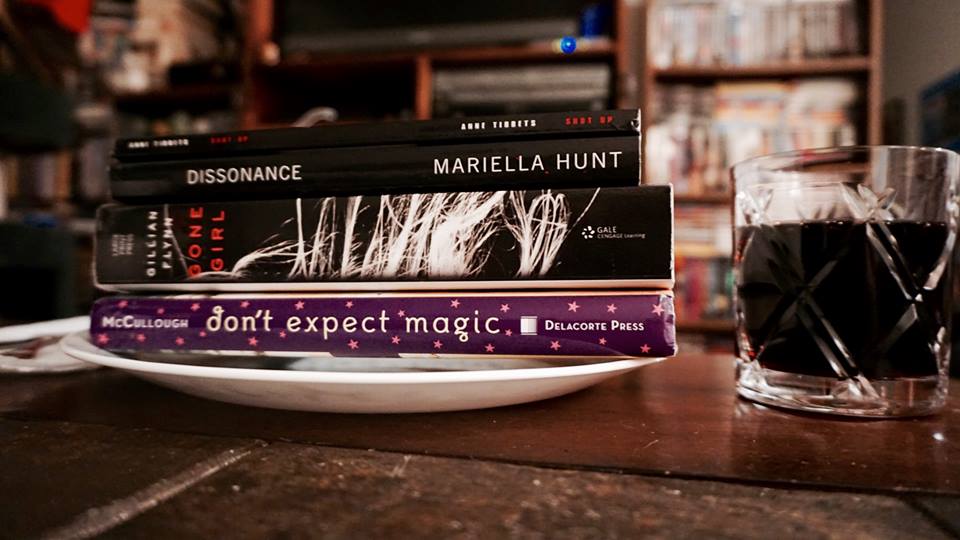
    Her debut novel Blood and Water is now available on Amazon and Barnes & Noble.

  • Review: Dorothy Must Die by Danielle Paige

    DorothyMustDie_CoverOnly1.indd

    Find on Goodreads

    In Dorothy Must Die, the heroes from your childhood are villains. It was a delicious feast for my imagination, each page rich with descriptions of a place that–despite its darkness and corruption–I really wanted to visit.

    Amy Gumm stole my heart and loyalty from the beginning. Her mother is so self-centered, so broken, she doesn’t care about her daughter’s struggle at school; off to party, she leaves Amy alone during a tornado.

    That tornado takes Amy away to a whole new world where she’s on her own–and in danger. But she can take it. She’s not scared at all. We see that her heart has become one of steel, making her the kind who’d survive in a place like Oz. She is gutsy enough to break the law and question people. It also makes her just the girl to face Dorothy and kill her.

    But will she succeed?

    Our childhood hero has become a monster who doesn’t hesitate to torture or kill. The Scarecrow, Lion, and Tin Woodman are just as bad; you wonder about their backstory, asking yourself what happened to change them so drastically.

    Those questions are not answered here. Indeed, a great deal of Oz is left in a shroud of mystery. Just enough is revealed to make us feel like Ozians, craving the next book desperately.

    We see Amy’s effort to reach Dorothy so she can kill her. She starts working as a servant in disguise at the palace; with every chapter, we dislike Dorothy more. But the servants are expected to adore her, brainwashed into singing her praises and blessing her name. According to them, nothing she does is wrong, and she only cares for their well-being.

    I don’t think I’ve disliked a villain this much in a long time; the book was great at playing with my emotions, making me feel pity, disgust, and anxiety. I wanted to join in the fight and make things right again; I was rooting for Amy the whole time.

    Dorothy Must Die is thrilling. Teaching us that up is down, it changes how we see right from wrong. It also advises us to trust no one–except me. Trust me when I urge you to read this clever, disturbing book. I had my eye on it for a long time before I finally gave in to read, and it was worth it.

    Without a doubt, Dorothy Must Die is one of my favorite books I’ve read this year. Five stars to this one–and I can’t wait to get my hands on the next book!

  • NaNoWriMo 2015 & The Autumn Prince

    I haven’t officially participated in NaNoWriMo for two years. Instead I would attempt smaller projects for Camp NaNo, none of which I completed; I always seemed to give up right when I gained some momentum.

    This year, though, it seems my Muse really took a liking to me; why not give it a try?

    Shield-Nano-Side-Blue-Brown-RGB-HiRes

    For those of you who don’t know, NaNoWriMo (or National Novel Writing Month) is a worldwide challenge for writers. The goal? Finish a novel in a month, specifically the month of November. If you win you get prizes and the satisfaction of having completed a book.

    Now, I don’t pretend I’m going to finish this book in a month–though my brain seems wired to write more than planned in a sitting. I do hope to make progress and work out some plot issues.

    If you’ve followed my Twitter feed for the past two days, you know I had a hard time deciding which novel to write for NaNo. From the start, I wanted to expand on The Autumn Prince. However, I kept reading advice from published authors saying that once you finish a story, you should put it away for a month.

    The thing is, though, The Autumn Prince was a short story. What I wrote of it didn’t even scratch 14k. So I don’t think it counts, and for NaNoWriMo I decided to write the novel adaptation of The Autumn Prince.

    Not only that, but no two writers are the same. Maybe these published authors need to step away from their work for a while; I find my Muse works differently.

    It felt silly to toss aside The Autumn Prince when it’s already so vivid in my mind; why push to the back burner something that’s almost ready? I had considered writing some other plot bunnies which also had potential, but now I’m going to wait–perhaps even try another serial with The Lady of Myrtle Lighthouse. 

    Right now, though, I’m making my short story into a book.

    For those who are interested in The Autumn Prince, the 2k I wrote so far reveals several new things. Spoiler: We’ll get some scenes from Winston’s POV. Also, there’s more to Kelsea than we thought…more than even she knows.

    And Caspar has got a temper in the novel. Of course he does. He’s only going to be awake for a few weeks.

    Are you participating in NaNo? Do you have a plot already set, or are you freewriting?


  • CoverReveal_F15_Truest

    When I was sent a review copy of Truest by Jackie Lea Sommers, I was immediately captivated by the poetic writing. Not only that, the plot was beautiful–so many sad and joyful feels! It’s one of the best books I’ve read this year so far. You can read my review here.

    I’m excited to have spoken with the author, getting the opportunity to ask about Truest, her writing process, and many prominent themes in the novel.


    Laurel has a peculiar illness that warps her sense of reality. It’s intriguing and looked difficult to pull off. What does it take to get an illness like that “right?” Was she the most difficult character to handle?

    In the novel, Laurel Hart struggles to draw a line between reality and dreaming. You would think that this would be the hardest part to write about, but in reality, it came quite naturally because solipsism syndrome is something that I have personal experience with. In that sense, Laurel is actually the character most like me (or most like past-me). Although my experience with it was a bit different than Laurel’s, there were real similarities between us that I could draw on as I wrote Truest. The most difficult character to handle was probably West, the narrator. Although we share a love of stories and history and are both staunchly loyal to our friends, there are far more ways that she and I are different from one another, so writing from her perspective didn’t always come naturally!

    There is a heavy element of being “smothered” by tradition–for example, West’s relationship with her father is eclipsed by his duties as pastor, etc. What would you say to someone struggling to be themselves against the odds of their family and community?

    This is a really good question—though a little difficult for me. I am someone who refuses to let her voice be silenced, and in that way, it can be hard for me to relate sometimes to that sort of struggle. I like the Bukowski line “Find what you love and let it kill you,” except that I think that when we find what we love, it also gives us life. That’s how I feel about writing—that it gives me life and that it kills me—and that’s a beautiful mystery. I think a lot of it comes back to the question of who are what are you letting define you? For me, the answer is more intrinsic than other people or even myself.

    There are references to the legend of the swan song–that its most beautiful song is the one it sings before it dies. Tell me more about this legend…why did it intrigue you so much?

    The “lamentation of swans” came out of nowhere for me. I’ve always found the group names for animals so fascinating, and as I was writing, the lamentation of swans really stood out to me. So I started to research swans, learn as much as I could about them, and thus discovered a handful of interesting things that I sprinkled into the story—some quite obviously (Laurel cast as Odette), some less so (St. Hugh of Lincoln). The idea that the most beautiful song a swan sings is the one before it dies was something that lent itself naturally to what I was writing. I love when that happens. I didn’t have to work to make it fit. It came to me gift-wrapped and ready to be part of the book.

    Are there specific books or authors that helped shape this novel?

    Yes! The Fault in Our Stars by John Green inspired me to try my hand at writing for teens. The Book Thief by Markus Zusak taught me more about imagery than the entirety of my education. And everything by Melina Marchetta—most specifically, Jellicoe Road and Saving Francesca—feeds into all my writing.

    Describe your work desk!

    I do most of my writing not at my desk! More often, I am writing on the futon in my home library, with my wall of books watching over me.

    swirl

  • Celebrate October with The Autumn Prince + Serenade is Getting Closer!

    October is going to be a very interesting, exciting month on the blog.

    If you’ve been following me on any social networks, you’ve probably heard of The Autumn Prince. It’s a short story I wrote in three days–14k–with the purpose of sharing with you guys my twist of a Halloween story. I wanted to pour some romance into a holiday known for monsters.

    Also, I wanted to share with you the adorably naive, lonely Autumn Prince.

    This’ll be my last personal blog post for a few weeks. Coming up on Friday is my interview with author Jackie Lea Sommers! I recently reviewed her book, Truest, one of the novels that impressed me most this year. She was amazing and answered some questions I had regarding her powerful, poignant novel.

    After that, it’ll be serial time.

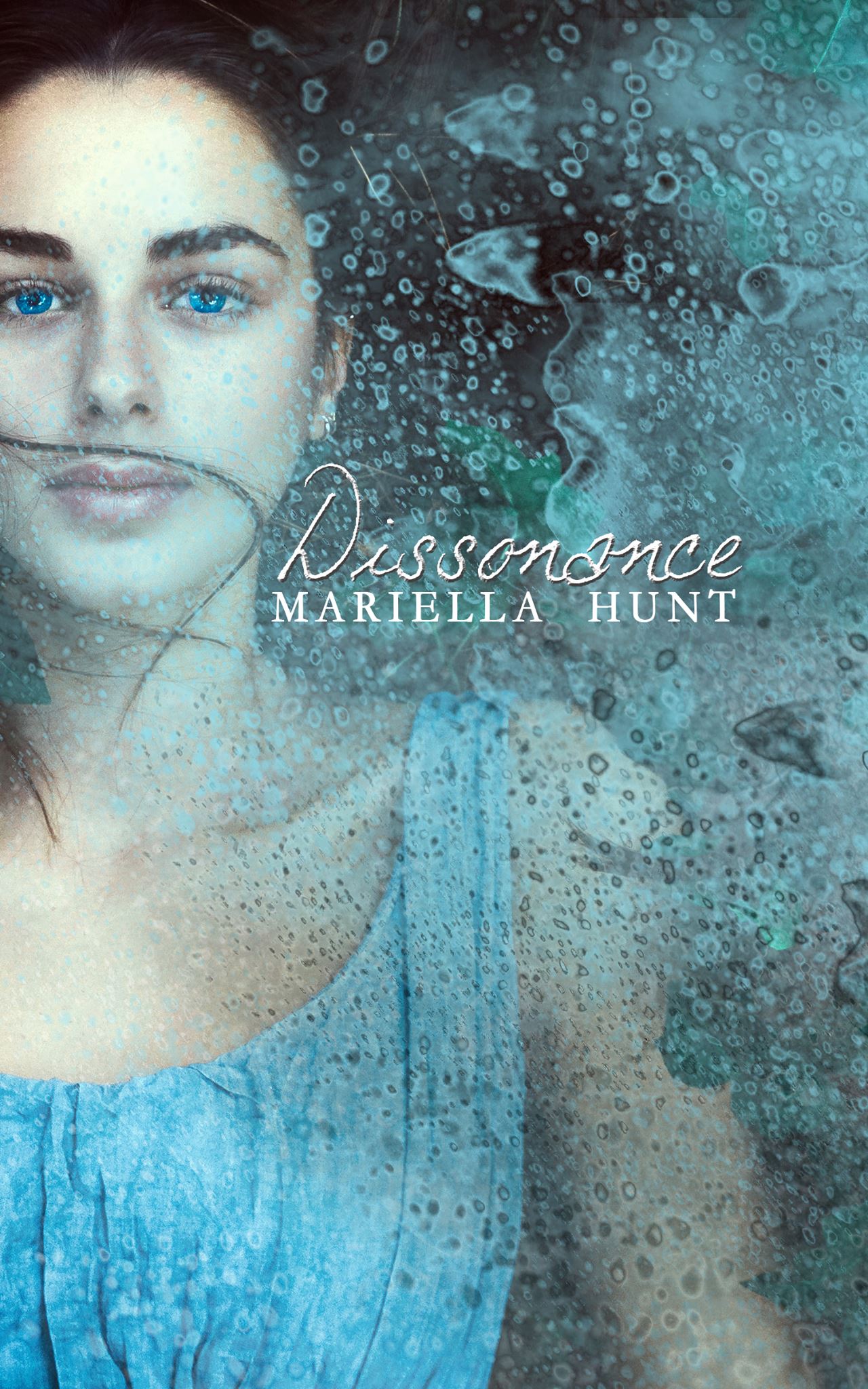
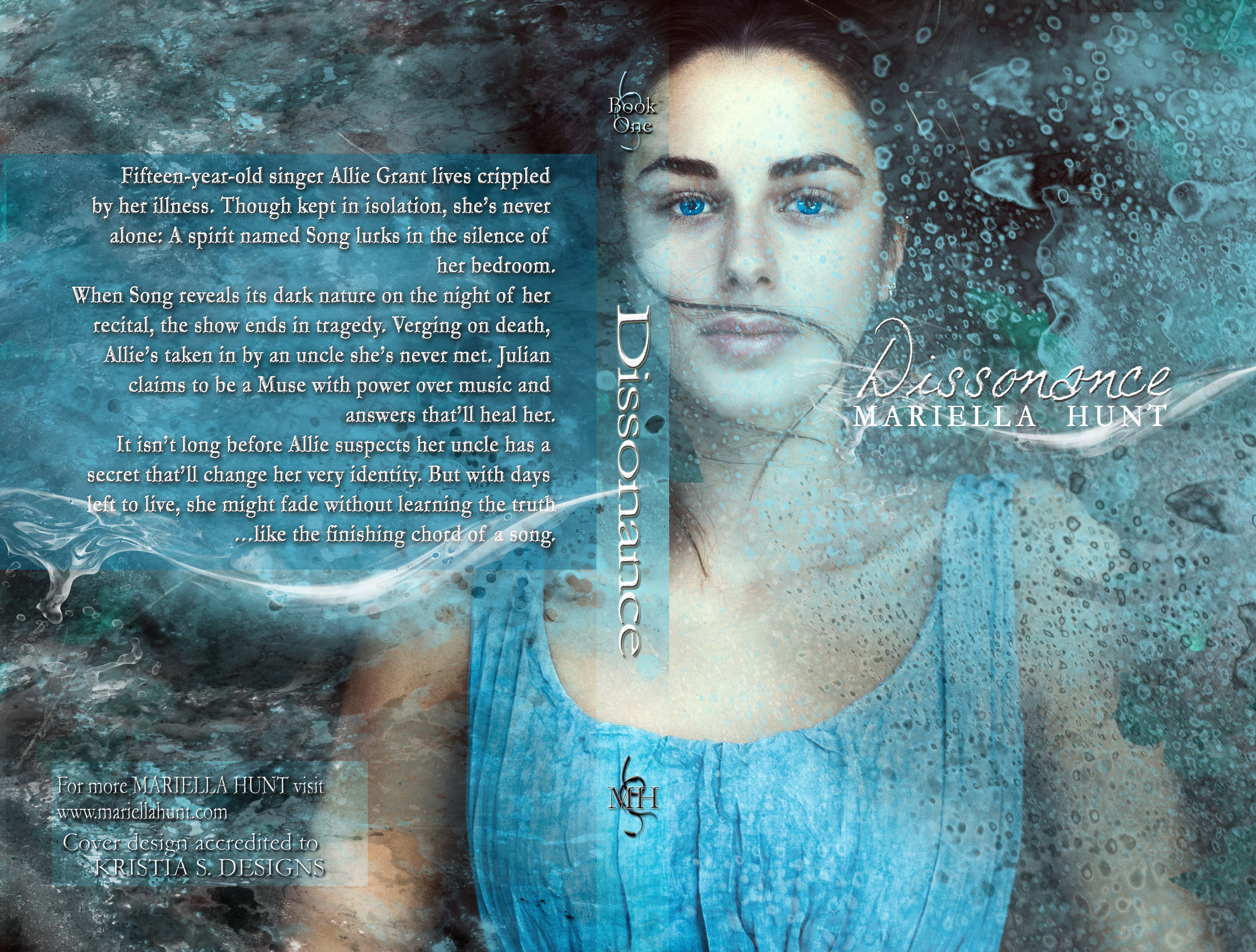
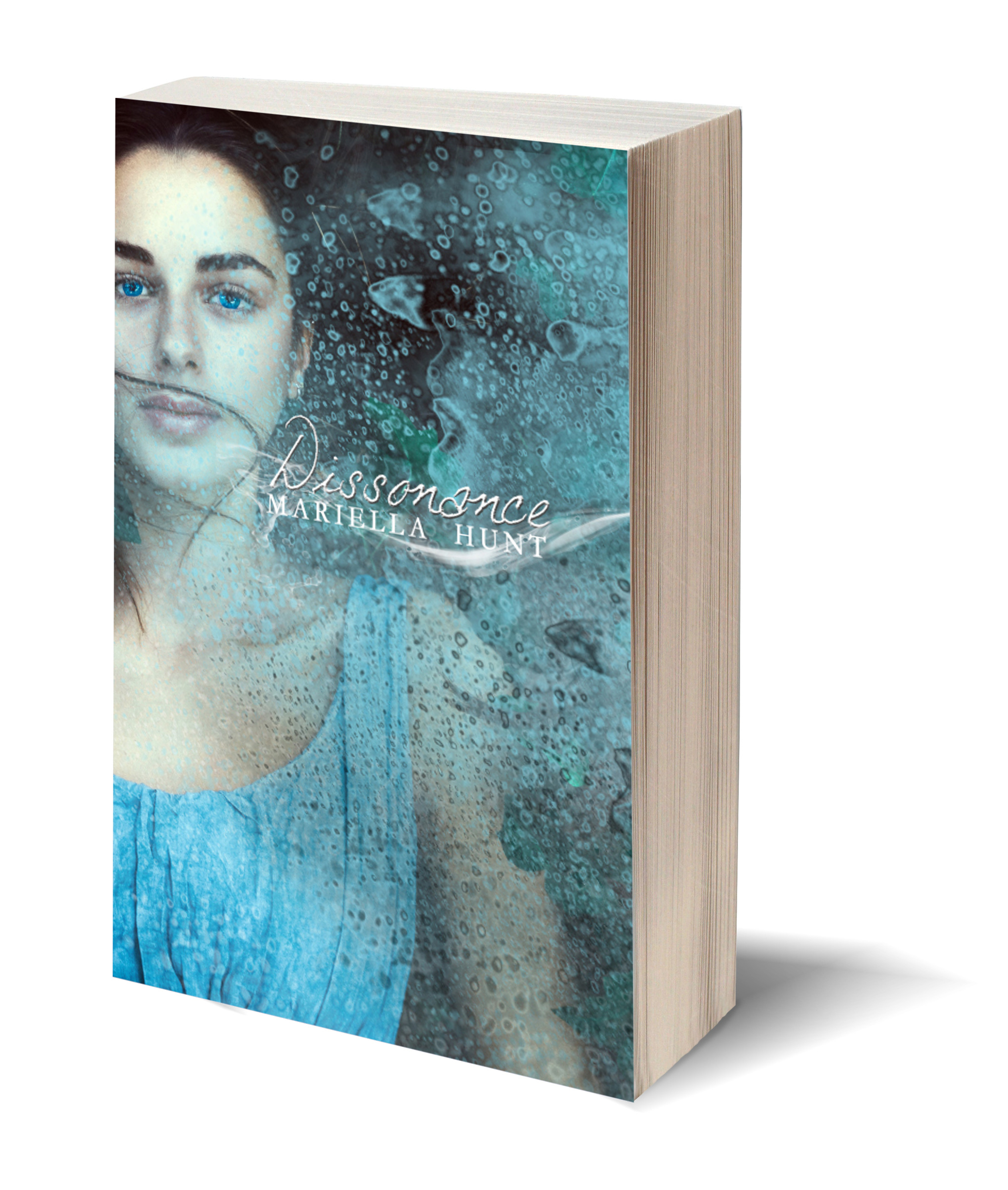
    Starting October 5, I will be sharing The Autumn Prince–bit by bit–every weekday until Halloween. It is my goal to edit this story so it’s worth your time; I’m so keen on sharing it. I haven’t been this passionate about something since publishing Dissonance.

    Speaking of Dissonance, fans might be glad to know I finished the first really coherent draft of its sequel. Book two of the Fallen Faery Tales series will be called Serenade. I knew from the beginning that it was going to be renamed; Elegy has been pushed off as a working title for the third installment.

    Serenade completed at 62,000 words, meaning it’s a bit longer than Dissonance. I don’t know if it’s going to grow or shrink when I finish revisions, but they’re definitely not far from one another length-wise. I pumped more drama and heartbreak into Serenade, enjoying the challenge of seeing Allie grow into a mature, troubled young lady of 16.

    I’ve put away the draft for Serenade and plan to begin revisions on November. After that, we enter beta mode. There will be slots open for volunteers, if anyone wants to help!

    After October ends and The Autumn Prince has had his chance to shine, I have more exciting things planned! However, those plans are still in the making. Just know that there’ll be more activity on life, literature, & coffee because I’ve forced myself to learn organization, and have some amazing friends who are going to help me keep up.

    Happy October! It is my favorite month of the year, because our imaginations can really go wild. I hope you enjoy it as much as I will, and Happy Halloween in advance!

    swirl

  • Review: Truest by Jackie Lea Sommers

    19370252

    Truest left me a twitching pile of emotions on the floor. I can’t believe how powerful every page of it was, making me want to laugh and cry…sometimes at the same time.

    Westlin Beck is going through a time of change, during which her eyes are opening; she realizes there’s more to life than her small community. By the end of the book she’s ventured so far from her former routine that there is no turning back. She’s a changed person; we get to laugh with her, cry with her, and face tough choices every step of the way.

    West’s outlook changed fairly quickly after meeting Silas. It felt like her world expanded, like only then had she begun to breathe. She grew up a pastor’s daughter, thus carrying the obligation to set an example for everyone in town. I was so proud when she broke away to be her own person.

    The writing style constantly took my breath away. Sometimes I’d find one sentence, a simple gem that made me stop, close the book, and try to memorize. References to the legend of the swan song–that the most beautiful song a swan sings is the one before it dies–kept the mood melancholy.

    There was always this sensation of waiting for something to break, and when the big break finally happens, we hurt with the characters. I couldn’t pin anyone as a villain–they all had a struggle that made us feel for them. This book is an emotional punch, one of the few contemporaries I’ve read this year that I’d quickly recommend to everyone.

    Truest offers insight on life when you’re under pressure. It dares you to do the opposite of what you’re expected for the sake of growth and maturity. It reminds us that we’ll never know how vast the world is if we don’t break out of society’s boxes, and look.

    swirl

  • Introducing The Autumn Prince (Coming October!)

    I’m very excited–and extremely proud–to be trying a serial story on October. Here on the blog, I’m going to post a bit of it every weekday; it is a short story called The Autumn Prince, some of which is already written, but some of which I’ll be writing as I go.

    I felt like harnessing the magic of Halloween for something different. You see, October is my favorite month; I feel so much power in the air when people are choosing their costumes. I love that buzz that we feel while telling ghost stories, I look forward to going door-to-door for candy.

    Here is the premise of The Autumn Prince:

    Nameless and lonely, the Autumn Prince reigns over a golden part of the year. He watches leaves fall from the trees, making a carpet of most exquisite beauty. But what he likes best about autumn is Halloween, his only chance to find a princess without being gawked at.

    In a race against time with winter approaching, he meets a girl with a brave heart and vivid imagination. If Kelsea agrees to be his princess, she’d only see him for weeks every year. The Prince must decide if it’s worth hurting the girl he loves for a few weeks of companionship.

    Should he beg her to stay in a cold, frozen love–or let her walk away?

    Each segment I release will be 500-600 words long, the length of a regular blog post. I’ll post from Monday to Friday every week, and Halloween will be the grand finale. This is a long shot–I don’t know how many people will want to check this blog every day for 500 more words–but for the sake of experience, I’m eager to do this.

    It’s teaching me to divide segments so they all have a hook, making the reader want to learn more. It’s forcing me to squint at the paragraphs, pretending it’s like a television series where the viewer needs the next episode now.

    There won’t be any personal blog posts here on October. I’ve worked hard to schedule the entire month and see what I can do with my writing.

    Are you interested in reading The Autumn Prince? 

    swirl

  • Advice for the Struggling Novelist

    Sometimes it’s hard to write–oh, fine. It’s always hard to write. We lack motivation, ideas, or support from fellow writers; when that happens, it’s tempting to draw a blank and give up.

    That’s when we need pep talks to motivate us; it hurts when our passion becomes a challenge. I’m sure you’ve asked at some point in a moment of frustration, Who cares about my story? The short answer is that you do and your soul needs to hear it; however, that answer can’t always beat Writer’s Block.

    I’d like to share with you some truths I whisper to myself when I feel like giving up.

    1. You have a story. No one can tell it like you will. It may seem that only you care about the story, but speak up. You might impress a listener so much that they’ll need to read the book, which then becomes a motivator for you to write!
    2. Every story has an audience. Some people might think your idea bizarre, but if you’re brave and stand by it, sooner or later you’ll meet your first fan. It’s true that some stories have larger audiences than others, but having a small audience is not a bad thing. It becomes a strength when your audience is small but devoted.
    3. It’s worth the effort. Sitting down to write a chapter takes tremendous discipline–no one wants to stare at a blank page. But once you’ve finished for the day, you’ll be glad you set an hour aside to write. It might amount to barely a page–but it’s a page more than you had!
    4. Every page counts. They might seem unimpressive when seen on their own, but pages make a book. Write a page a day, gain momentum, and in a month you’ll have made great progress! The idea of spending years on a draft isn’t appealing, but one day you’ll be proud of every moment you invested.
    5. With practice, it gets better. There’s always room for improvement–most days I want to chuck my draft out the window. The only way to improve as a writer is to keep practicing. You’ve got to work hard so a reader closes the book feeling that their time was well spent.

    These are things I tell myself when I’m stuck in a rut. Since I’m young, I know there’ll be more of these pep talks to come, and I’ll share them.

    I know you have a story to tell, so keep going. Anyone can write; however, to be a good writer you need patience and discipline. Patience because it can be years before you finish, and discipline because it’s hard. If you love your story enough, you’ll find it worth the effort.

    Tell that story like only you can.

    P.S. I’ll be coming back to this blog post often. I’m human and need reminders of these things as well.