
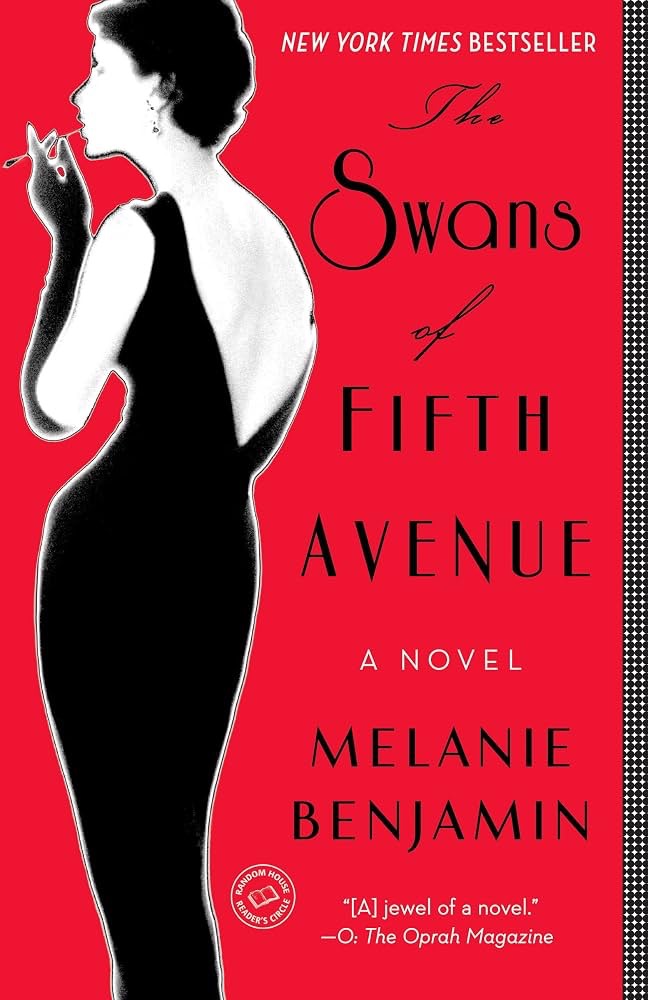
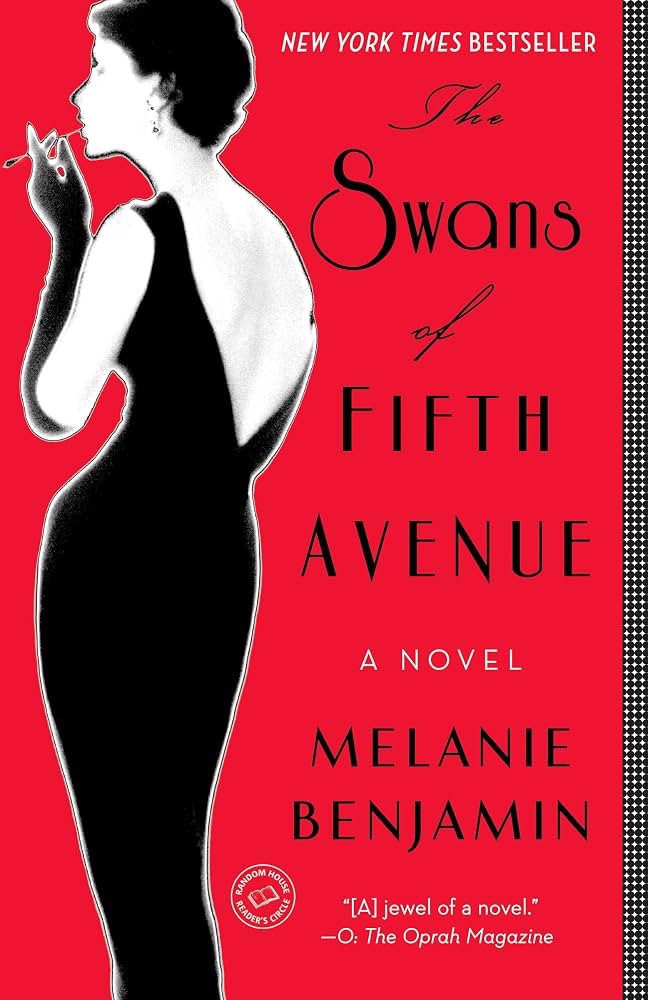
Historical fiction is unique because it allows us to “meet” some of the artists and celebrities who gave the past its most vivid colors. Melanie Benjamin’s The Swans of Fifth Avenue brings us into the glamorous world of Truman Capote and the wealthy New York women who became his closest friends and, eventually, his greatest enemies.
I knew very little about Truman Capote before reading this novel. Of course, I knew him as the author of Breakfast at Tiffany’s, but I had never really wondered about Truman the person—the mind that dreamed up Holly Golightly. Benjamin presents him as thoroughly human. Behind the literary genius was a flawed soul with many wounds left over from childhood, and a void he tried to fill with fame, friendship, and a larger-than-life personality.
At first, Truman is a beloved confidante to his wealthy friends, affectionately known as “the Swans.” He is welcomed into their glamorous world and becomes privy to their secrets. But after the success of Breakfast at Tiffany’s, Truman becomes increasingly consumed with the idea that his next work must be even more sensational.
So he begins using the secrets of his friends as material.
Although he changes the names of the characters in his stories, it isn’t difficult for those around him to recognize themselves. His friends feel betrayed. Truman has taken the intimate details they entrusted to him and transformed them into entertainment for the public.
When one of his stories contributes to the destruction of a woman’s life, there is no going back. Truman has the fame he wanted, but he loses the people who loved him.
Was it worth it?
That question is at the heart of the novel. Writers often draw inspiration from real life, and there is nothing inherently wrong with that. But where is the line between inspiration and exploitation? What happens when our success depends upon exposing someone else’s vulnerability?
Benjamin’s novel suggests that fame rarely provides the wholeness people imagine it will. Truman spends years pursuing recognition, only to discover that success cannot replace the friendships he has lost. The void he was attempting to fill becomes even larger.
The Swans are similarly desperate to escape their own fears. Their world is one of glamour, wealth, beautiful clothing, and carefully maintained appearances, but underneath it all is an awareness of mortality. They do not want to grow old. Their beauty is one of the few forms of power they possess, and they fight desperately against the passage of time.
This part of the novel feels surprisingly modern.
We may no longer live in the same world of Fifth Avenue dinner parties and society pages, but the battle against aging has hardly disappeared. Beauty products promise clearer skin, fewer wrinkles, whiter teeth, and a younger appearance. Social media allows us to carefully curate our images and decide which version of ourselves other people are allowed to see.
The Swans wanted to hide the evidence of time. Today, we have filters.
The deeper tragedy is that the Swans become so committed to maintaining their perfect images that truth itself becomes threatening. Truman exposes the shadows behind their picture-perfect lives and reminds them that they are human.
But Truman is hardly innocent. He is also performing. He has created his own larger-than-life persona, and he uses the private lives of others to sustain his fame. He exposes their secrets while simultaneously trying to hide his own wounds.
That complexity is what makes the story so compelling.
Everyone in this novel is, in some way, trying to escape being ordinary, forgotten, or mortal. They use beauty, wealth, friendship, literature, and fame as ways of bargaining with time. None of them can actually win.
Ultimately, The Swans of Fifth Avenue is a story about the price of being seen—and the price of refusing to be seen honestly.
The most powerful stories are often the ones that contain the truth. Capote understood that. But the truth-teller risks becoming a threat to those who would rather remain hidden.
All the same, someone has to tell it.
A world without truth would be horrific, indeed.


Leave a Reply