
Why is the stepmother always evil?
The Cinderella story has always been a popular trope among readers, and I think that it by nature offers authors a lot of fun — a “sandbox” both powerful and familiar. All humans can relate, to some degree, with the longing to one day wake up in a “better” position: a bigger house, more comforts, riches and status. The Cinderella trope touches on something ancient and more common than some of us would like to admit.
The classic fairy tale follows a very specific sequence and features an evil stepmother, a heroine covered in soot, a glass slipper and a pumpkin carriage. But modern retellings are switching these things up, adding twists, and giving real depth to characters that, before, were so overused that they began to feel like jokes.
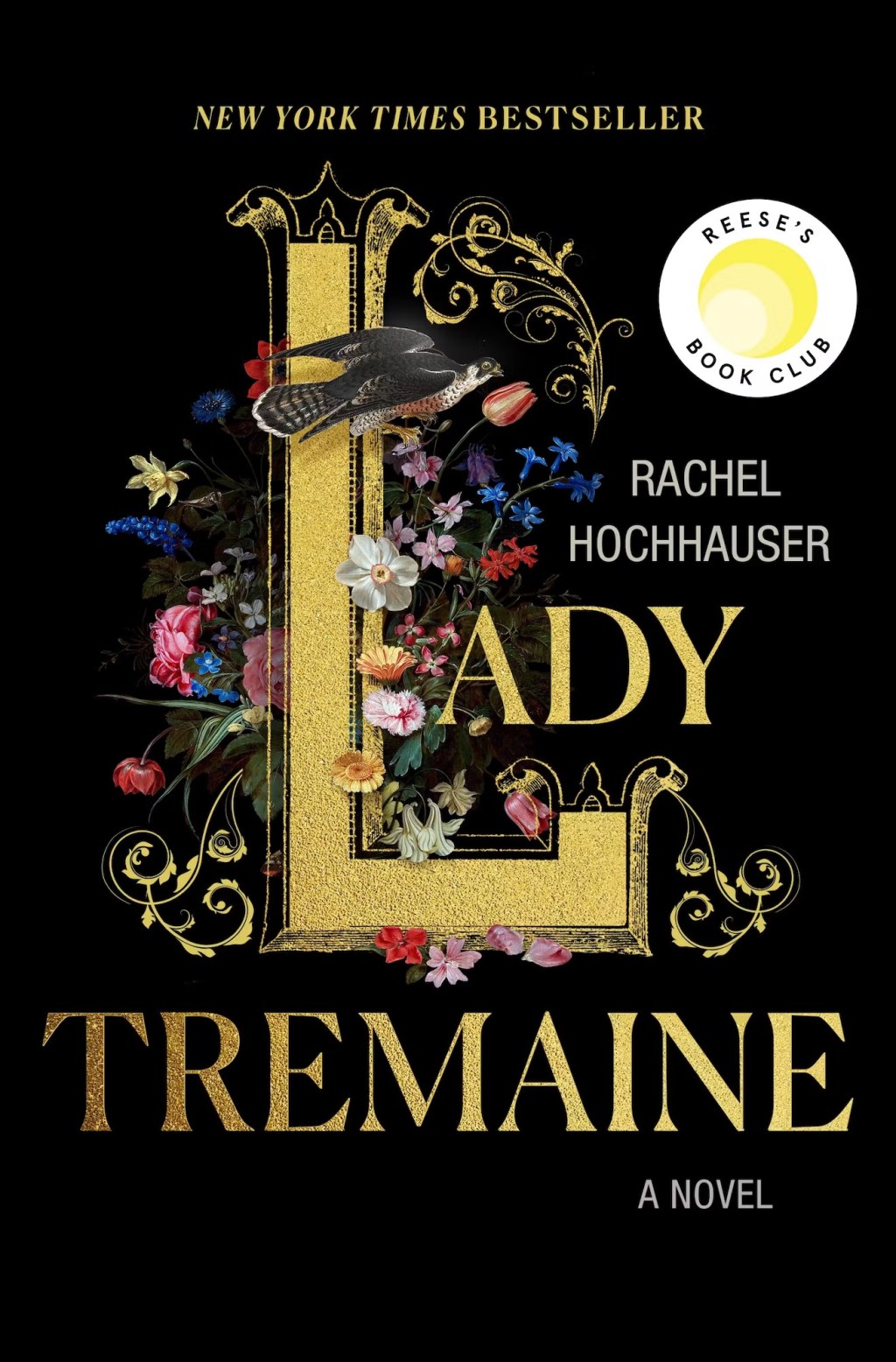
One of my longtime favorite books is a Cinderella story told from the viewpoint of one of the stepsisters — Gregory Maguire’s Confessions of an Ugly Stepsister. In a similar way, Rachel Hochhauser’s Lady Tremaine presents the same story from the viewpoint of the stepmother, and this reimagining is precious, because it does not try to frame her as a perfect person or even a kind one, but it gives her a profound motivation for the difficult choices she made in order to survive: she is a mother, bringing up two daughters — and later a stepdaughter — in a world that is not kind to women.
She is not perfect. But this novel shows the kind of world that, with its unique challenges, would drive a person to make the choices that she did. It is an anti-fairy tale: there is no “happily ever after,” and we do not get the sort of clean resolution that we have come to expect from other Cinderella-inspired books. However, in many important ways, it does the stepmother — Lady Tremaine — much more justice. She, and all of the other women, are far more relatable.
Hochhauser spins a clever tale that reminds us that we needn’t lose ourselves or our dignity in search of romance, of “a prince.” Indeed, the acquiring of “a prince” will often cause grief, rather than the happy ending that we are conditioned to expect. Life tethered to a cruel person is no life; attention is not the same thing as love; and love does not always look gentle or romantic. Sometimes it looks like a mother who will stop at nothing to ensure her daughters live lives that are both safe and dignified. She will break all barriers for this purpose. Maybe, she would kill.
The truth is that no one can have a happy ending if they abandon their own selves for another’s approval. Compromise on a few things is one matter, but a person’s value cannot fully hinge on whether they find a significant other. A person has so many other ways by which they could shine. And, in the end, the very fact of personhood is sufficient to set us apart. We should respect and honor one another’s humanity, independent to whether they “belong” to someone else.
My worth is not measured by the presence, or lack, of a prince in my life. I am more concerned with honoring the person I am now, with respecting the roles that I fill now; I will not toss them away in search of a vague “maybe.” Because love stories are good, but not all are romantic. We no longer need to grovel at some prince’s ball for validation — we have the choice of so many different paths to our “happy ending.”
Lady Tremaine exposes the parts of a Cinderella story that are often left out: most of the ladies at the prince’s ball were not there for love, but survival. They are not competing for his heart, but for a lift out of the strife and danger into which they were born.
It reminds us that the prince is not a great person. His ball preys on the vulnerable, causing them to overperform and turn on one another. Can he not find his bride in a more discreet, effective manner? Why do it in such a way that draws so much attention to him? The answer is that he, like all narcissists in history, simply can’t get enough of the spotlight.
Survival is a powerful incentive. Lady Tremaine might be called a manipulator like the prince, but she understands that life is a complex game. She learned how to play, and now does so on behalf of her vulnerable daughters. She makes mistakes, but manages to defend her household and preserve their own self-respect until the very last page. She is a mother, even to her stepdaughter, a change to the story that I enjoyed. She understands what’s worth defending.
Go to the ball — but not for a prince. Go to wear your favorite dress and dance in your own way to the music. Go, but do not leave yourself there; remember that your time is a gift, and choose wisely who you give it to. And you don’t have to go to a ball just because you’re invited. You are also allowed to reply “Thanks, but no thanks” and stay home. It is your story: choose wisely.
Notes on the transcription: Page numbers 166–169 appear at the page corners. Two spots were slightly ambiguous: the sentence “Maybe, she would kill” (the last word is written a bit like “bill”), and the title/book attribution in the third paragraph, which I transcribed as written.


Leave a comment