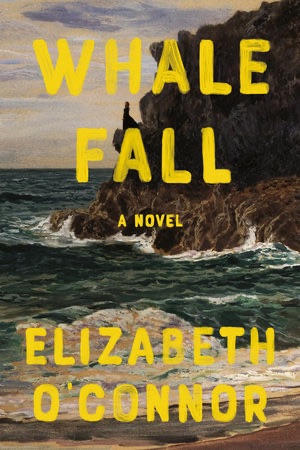
Some stories are about ambition. Others are about the cost of ambition when it is pursued without compassion. Elizabeth O’Connor’s Whale Fall is both.
At its heart, this is a story about the choices people make when they want something badly enough—and the regrets that follow. But it is also a powerful examination of how vulnerable communities can be misunderstood, misrepresented, and transformed into something they are not. When people are not given the opportunity to tell their own stories, they can become characters in someone else’s narrative: reduced from human beings into curiosities, symbols, or caricatures.
Whale Fall asks difficult questions about who gets to tell a story and what happens when outsiders seek to understand a community for the wrong reasons. Is it possible to document a people’s history without exploiting them? Can we revisit and preserve a culture’s place in the world without turning that culture into something foreign and strange?
Elizabeth O’Connor explores these questions through Manod, a young woman living on a remote island off the coast of Wales in 1938. The island is home to a small fishing community that has slowly begun to disappear. As younger generations leave in search of opportunities on the mainland, the village becomes increasingly isolated, its way of life fading with each departure.
Manod has watched many of her friends leave, and she dreams of doing the same. She longs for a different life, but leaving is not simple. Her father and younger sister depend on her, and the island—despite its hardships—is still the only home she has ever known.
Then a whale washes ashore.
The arrival of the whale becomes a strange kind of invitation, drawing attention from the mainland and bringing two visitors, Joan and Edward, to the island. The scientists claim they want to study the community and preserve its story. They want the world to know that these people exist, recording their lives through photographs, interviews, and written observations.
Because few people on the island speak English, Manod becomes their translator and their connection to the villagers. At first, she is excited by the opportunity. The visitors represent everything beyond the island: education, travel, and the possibility of another world. For a young woman who has spent her life wondering what exists beyond the horizon, their arrival feels almost magical.
But gradually, Manod begins to recognize the truth behind their interest.
Joan and Edward are not preserving the islanders’ story out of respect. They are searching for something they can sell. They are fascinated not by the complexity and humanity of the people they meet, but by how different they appear from their own world. They turn the villagers into an object of study, presenting them as strange and primitive rather than as individuals with their own traditions, knowledge, and dignity.
The tragedy is that Manod becomes part of this process.
She watches as the words of her community are altered and reshaped. She realizes that the stories she helped translate are not being shared honestly. Instead, they are being transformed into something more sensational—something that will attract attention but erase the truth.
Her guilt becomes one of the most moving parts of the novel. Manod never intended to betray her people. She was simply a young woman caught between two worlds, eager to experience something beyond the limits of her island. But Whale Fall understands that harm is not always created by cruelty alone. Sometimes it happens through ambition, curiosity, and the desire to be part of something larger.
O’Connor’s novel is a reminder that stories carry responsibility. A person’s history, culture, and identity cannot be separated from their humanity. When we take stories from people without allowing them ownership over those stories, we risk creating a version of them that is easier for others to consume—but far removed from the truth.
There is a quiet power in the way Whale Fall explores this idea. It does not simply condemn outsiders for their curiosity, nor does it portray the island community as helpless. Instead, it examines the complicated space between wanting to understand others and failing to truly see them.
The novel suggests that truth has a way of surviving, even after it has been distorted. False narratives may spread, but eventually the mist clears. The voices that were ignored find their way back into the story.
Whale Fall is a beautifully written and deeply thoughtful novel about ambition, identity, and the importance of allowing people to define themselves. It is a story about a disappearing community, but more importantly, it is a story about what happens when we forget that every community is made up of individuals with dreams, fears, and lives as complex as our own.
“A ship in harbor is safe, but that is not what ships are built for.” – John A. Shedd
The Year of Reading Religiously
My thirties have made me a different person.
I used to find the thought of being heard and seen on video terrifying. Now, I am fascinated and excited by the idea of starting a vlog – most likely through TikTok, though I have also been looking at the benefits of a more serious BookTube channel.
I used to despise the sound of my voice, thinking it too soft, thinking it obnoxious. I am still uncomfortable with the sound of my voice, but know that my ability to speak will improve with practice.
If you are on TikTok and would like to say hello, follow me by clicking here.
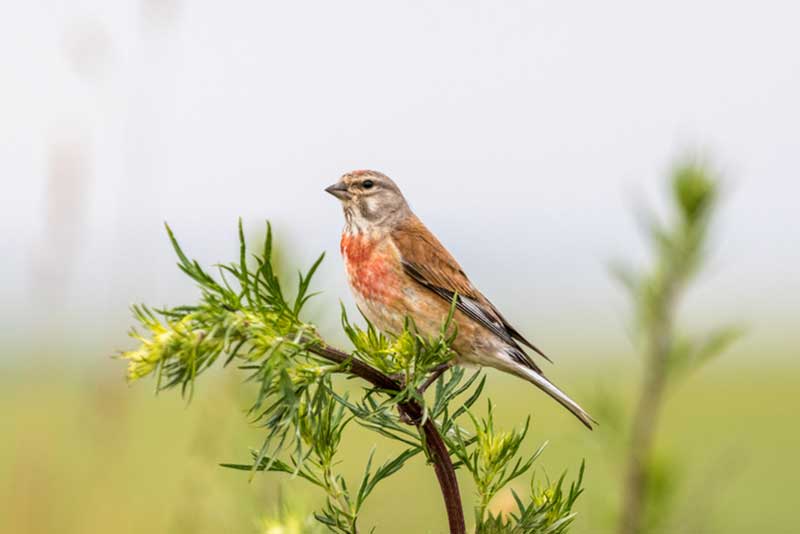
It will be a wonderful adventure to meet new friends there. I have been working like a bird in the spring, gathering the bits and bobs necessary to create a cozy reading corner.
A microphone, a cookie-shaped pillow, a string of fairy lights. Everything must be perfect.
Learning to Speak in Different Tongues
Something in me is awake, and wants to branch out to different forms of media. I’ve spent my life cultivating my writing style, burrowed in the comfort of the written word, letting it fill me like a warm cup of vanilla chai tea.
Now, I want something different. Now, I want to be heard. But I couldn’t expect to grow a serious following if I did not take the project seriously, so I have gone to a thrift store. There, I found the lighting that I need. I arranged a corner of my library to be the spot from which I will address the world.
There is so much that I want to say. I don’t even fully know what it is yet. I sincerely think that, when I sit down on that chair and open my mouth, I will discover things about myself that I did not know.
I hope that you will join me.
What’s New at the Tearoom
In other news, there is quite a lot going on at the actual Tearoom – the one on Ensorcell Avenue, which can only be found on Substack. This week’s free post just went live, and I would love to discuss with you.
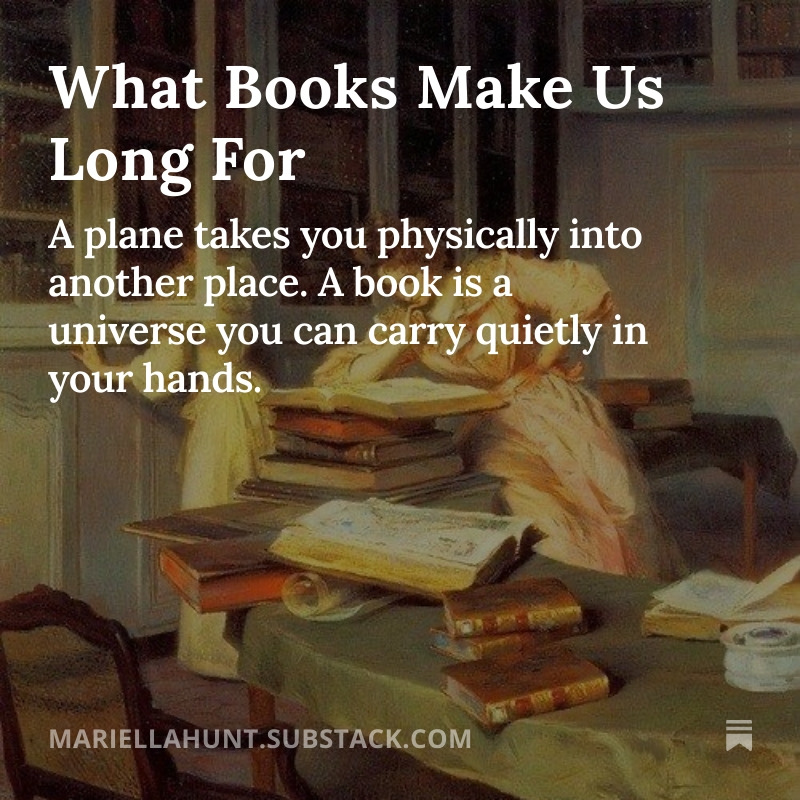
I have written an article for my newsletter about a matter that’s been present in my heart for a while. I answered the question: why do books make me so nostalgic?
Why do I feel, when lost in a story, that I miss something I once knew?
I have just finished reading The Blue Flower by Penelope Fitzgerald.
Having written a lengthy review of that excellent novel in my reading journal, I then reached for The Book Club for Troublesome Women by Marie Bostwick.
I am also reading, on the side, The Elements of Marie Curie by Dava Sobel.
Writing has always been the pastime that I was most passionate about. In particular, I was fascinated by the concept of the serialized story.
What is a serialized story? A long time ago, when periodicals were still popular, authors such as Charles Dickens and William Makepeace Thackeray would write novels, releasing them weekly, chapter-by-chapter, for an eagerly expectant audience.
These chapters would eventually be gathered into the format of a novel, and usually (like in the case of Dickens), these novels would be enormous. They are investments of time to read, but worth every moment.
Time passed, and the world of publishing evolved. Now it is easier than ever to publish a novel: more authors are choosing to take their stories into their own hands, publishing them on their own terms.
Self-publishing is often spoken of as if it was inferior. I disagree. I have always favored the idea of being in control of my work, though it requires extra effort with regards to editing, formatting, and promotion.
You’re Invited
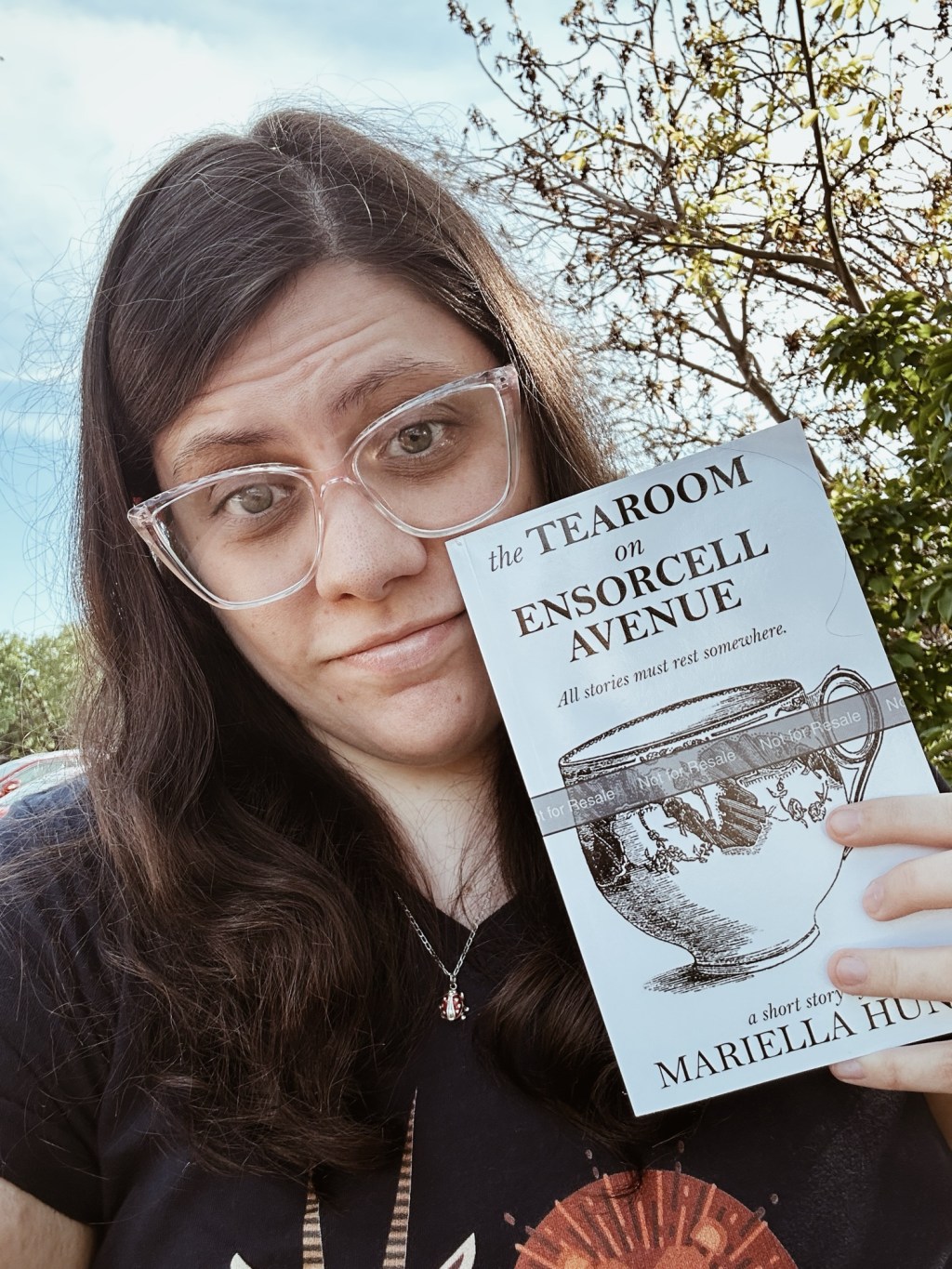
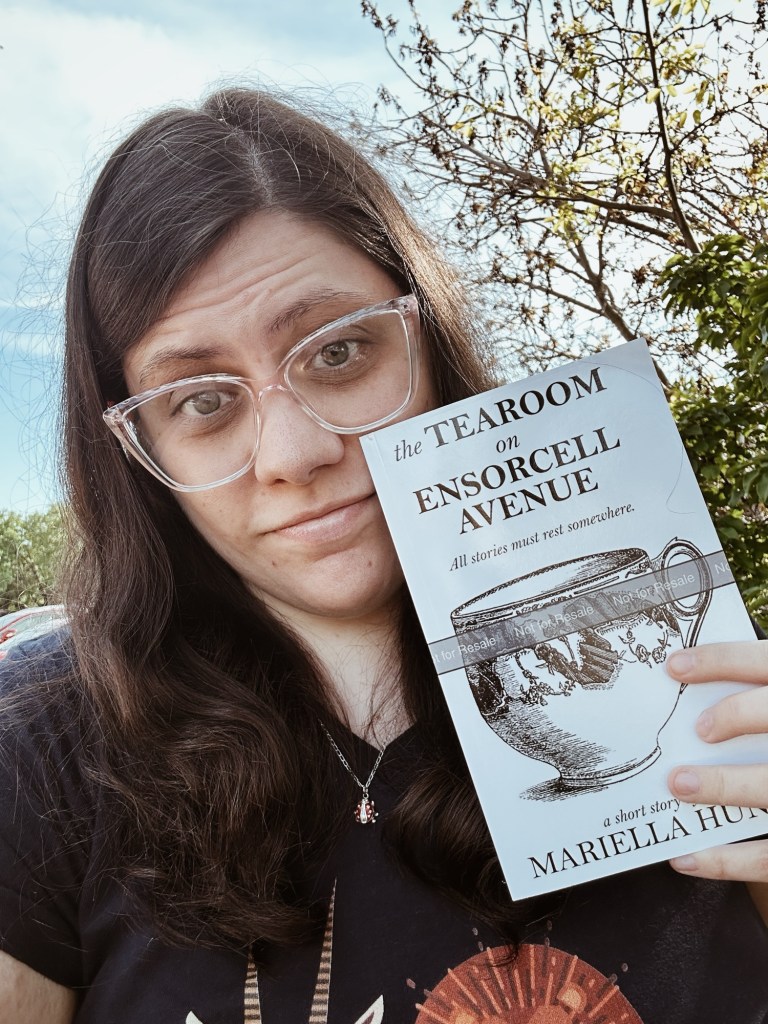
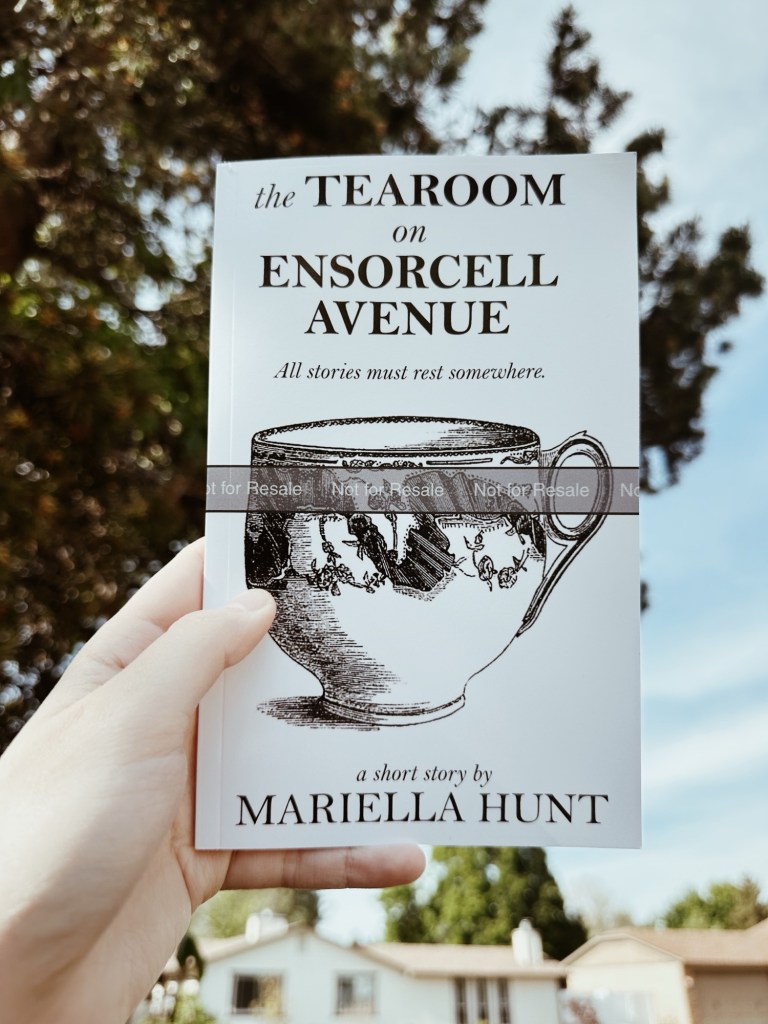
I am celebrating today because the proof copy of my short story, The Tearoom on Ensorcell Avenue, has arrived at last. You can preorder it on Amazon by visiting this link.
What is The Tearoom on Ensorcell Avenue?
For almost two years now, I have been publishing stories serially on Substack. The first story I shared in this manner was called The Graveyard House. It’s the first of a series, and needs a bit more work, but I plan to publish it, as well.
The Tearoom on Ensorcell Avenue is different. Somehow, it became a self-contained world. Somehow, it became the beating heart of my newsletter – of my creative life – of who I am as a storyteller.
Where to Find It
Tales from the Tearoom is what I call it on Substack, and a Table of Contents can be found here where all of the published chapters are available for perusal.
Unlike The Graveyard House, I made Tales from the Tearoom a feature exclusive to paying subscribers. Writing involves so much mental energy; I knew that I could no longer prepare a new chapter every week, publish it for free, and expect to feel fulfilled.
Artists deserve to be paid for their work.
But I still wanted casual readers to know what The Tearoom was about. So I decided to release Season 1, which includes the first four posts of Tales from the Tearoom, on Amazon. On May 30, you’ll be able to buy it for your Kindle, or order a paperback.
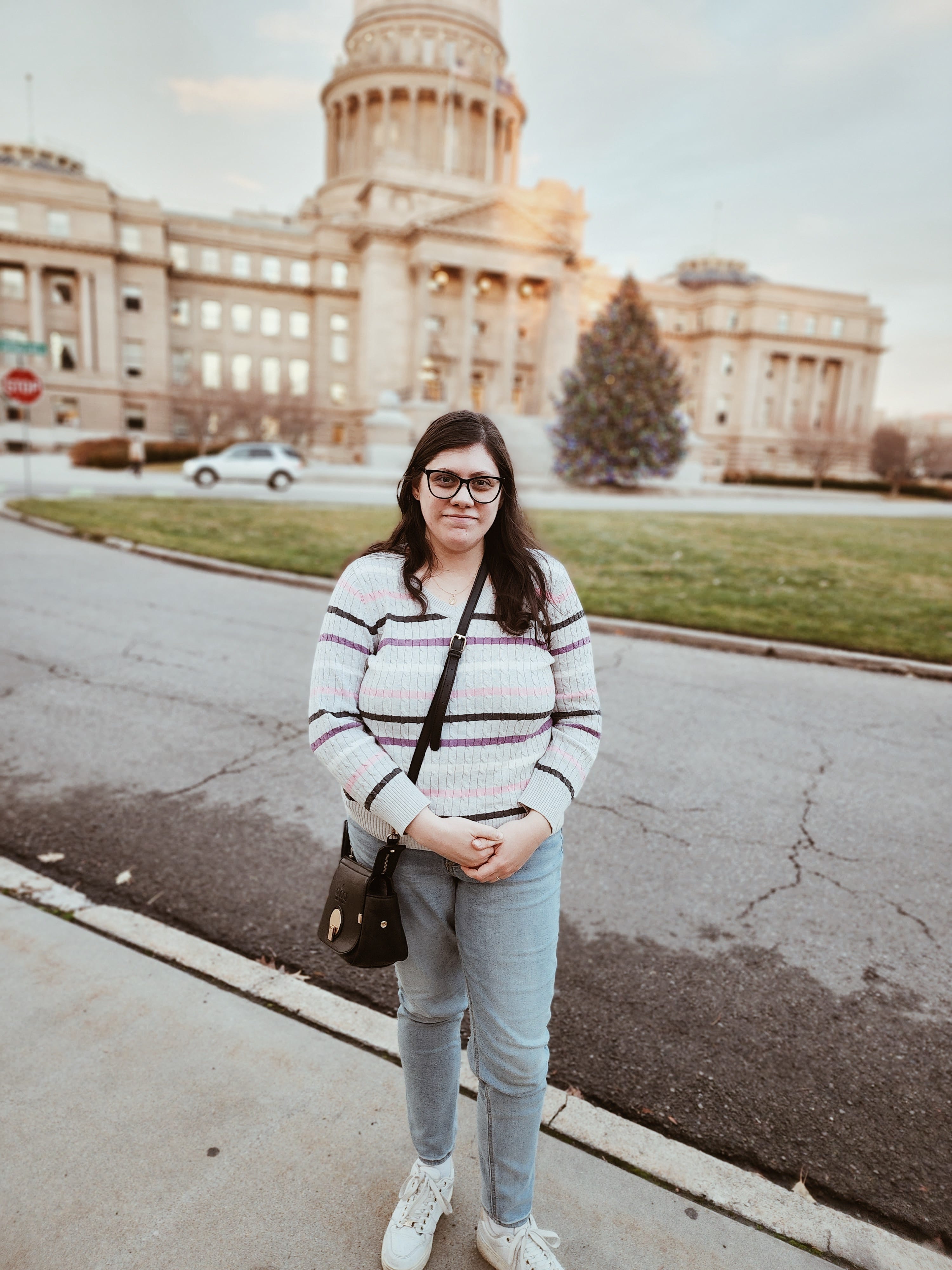
(I’m holding a paperback in this photo. They’re adorable. Less is more; I certainly believe that to be the case with this story).
If you would like to join the Tearoom Circle and read Tales from the Tearoom on Substack, with new episodes posted every week, click here!
Leaving Comfort Zones
I’m so excited by this project that I dared try something I’d never done before. I’ve taken to TikTok, because I love these characters so much – and the world that I have created – that I just need to talk about it.
Follow me on TikTok: @TearoomPress
If you want to hear me talk about The Tearoom on Ensorcell Avenue, using my actual voice, watch the following video. I’m awkward. I’m trying a new medium, and not fully comfortable with it yet.
But I’m having fun.
I hope that you visit Ensorcell Avenue. I’ll be posting more about it here. My heart is full – my imagination working at full speed – and I can’t wait to share this story with more people.
Last week, I did something that I had always dreamed of.
I had recently blogged about my desire to become an artist, and the slow process of learning to see the world from a different angle. It is a journey that I’m glad to share with you.
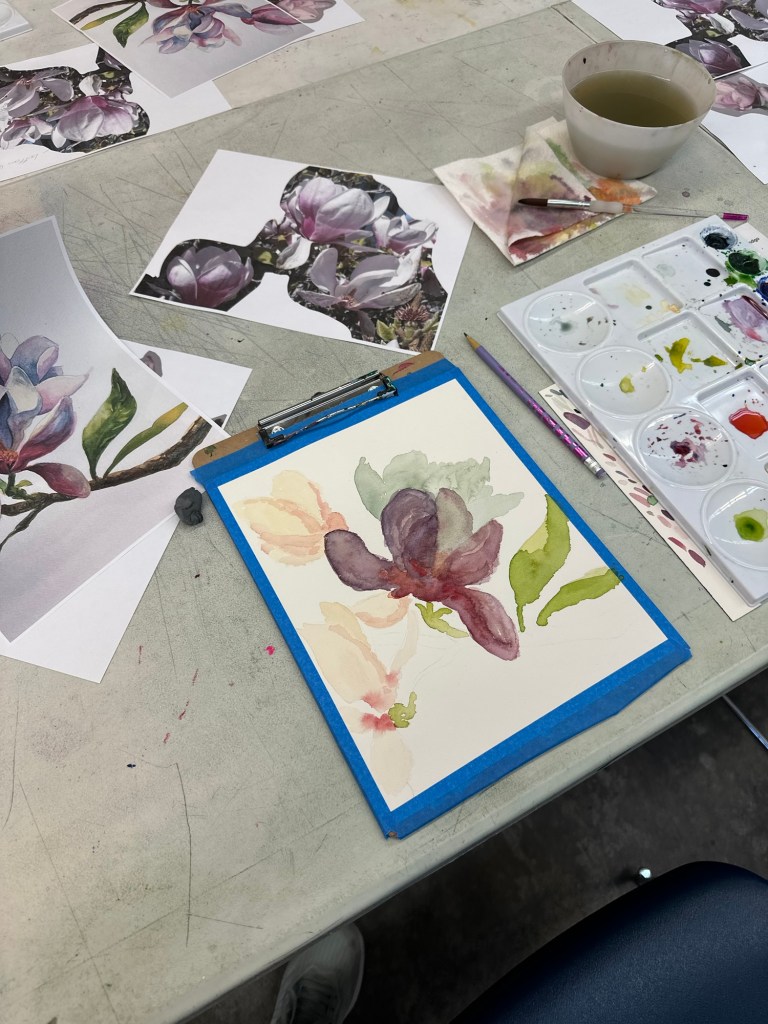
Having long been interested in taking up watercolors, this year I’ve been collecting material, teaching myself with YouTube and Instagram reels, and acquainting myself with colors and how they behave.
Wondering how the painting experience would differ when surrounded by fellow artists, I attended a watercolor class on Tuesday.
It was an Intermediate Watercolor class. I do not consider myself a beginner. But the pressure of being surrounded by more experienced artists, I think, made it difficult for me to participate.
The environment at the art school is amazing. I can only compare it to the excitement, to the high, that I feel when I’m going into the bookstore.
It’s calming as well as motivating to see beautiful things that have been created by human hands, images and ideas that originated in human minds.
While our world is becoming flooded with AI and subpar work, there are still creatives who dedicate their lives and time to creating beauty.
But when the actual class began, and it was time to follow along with what the instructor said, I found that my own mind—usually so full of enthusiasm to set brush to paper—couldn’t keep up.
I felt very small—my own painting looked nothing like the piece that she was creating.
I suppose that I shouldn’t be surprised. As the instructor, she’s probably been painting all her life, and I’ve only been exploring the art medium seriously for a few months.
All the same, I felt humbled—and, frankly, disappointed in myself. Why couldn’t I keep up? At home, I’m able to make nice things in my sketchbook.
Why was it suddenly so hard to mix purple on the palette?
Impostor Syndrome kicked in.
What if I’m not meant to be an artist, after all? What if I waited too long, and I am now past the point where I could train my brain to capture things beautifully on paper?
I’m not going to give up. It’s true that I waited a long time to really become serious about this dream to pursue art, but there’s no time like the present to begin.
If I allow Impostor Syndrome to discourage me again, it’s likely that I will never have the motivation to resume this quest. I have already made enough progress on my own that it would be a shame to put my sketchbooks away because I could not keep up in a class.
We all need to begin somewhere. Perhaps I will continue learning from Instagram reels until I’m confident enough to retake an Intermediate Watercolor class in person. Perhaps I’ll go back, anyway, out of pure spite.
This is the year that I will become a visual artist – an illustrator – even if I am the only person who will ever enjoy my creations.
Why have I decided to reread old favorites in 2026? I believe it will satisfy an emotional need.
Venturing back to The Secret Garden will make me reminisce about childhood. A trip to Hogwarts will remind me of my teenage years, when the Harry Potter books made everything around me vivid.
Too often, a brand-new book does not offer the same sort of comfort. Could it be that the types of books marketed to me have changed? Or is it that I now need different things from the pages I lose myself in?
This year, I’m not looking for anything new or exciting. I’m looking for something cozy—a warm cup of tea, a flavor that I already know is my favorite.
We learn certain things when we reread old favorites:
Life might change, but the books that formed us remain unaltered. And while it’s true that a book hits differently on a second read, that’s because we have become different people.
You develop new opinions about characters as you mature. A protagonist that you thought heroic as a teen might get on your nerves now with their choices, because you know better. You might also find yourself relating to the person you once believed a villain, because you understand their scars.
Nostalgia changes how we react to a story. You might not be revisiting that old book for the plot or characters. Instead, you’re drawn to it because it stirs a positive emotion. This might be a picture book a grandparent read to you, bringing to mind sensations of safety. It could be a novel that calls to mind good times with a friend.
When we reread books, we know that there is more going on than the story described on its pages. This book is comfort. This book is growth. It can be the cup of tea you need—or the long-awaited hug.
Tell me about a book that you’ve reread recently. Did it hit different? Did you learn new things from it?
This year, I am doing something that feels unnatural to me. Instead of going out and looking for new books to add to my shelves, I’m going to look at those shelves for books I already own. It is not necessarily in the spirit of anti-consumption, for if I won the lottery, I would still spend all of that money on literature. Rather, it is a matter of wishing to honor the titles that I already own, an effort to try and enjoy them more than once in my lifetime.
For many of us, 2025 was a rough year. If you’re anything like me, books were a source of comfort. When things became heavy, I escaped into cozy mysteries or romances. When craving something more substantial, I had nonfiction to choose from. Plenty of history books wait on my shelves, waiting patiently for their time. Due to the sheer thickness of most of them, it was unfeasible that I could have read them all between January and December,
Every true reader knows that just because we buy the book does not mean the time’s yet right to read it.
Again, this is not anti-consumption or Marie Kondo nonsense. It is true, though, that by the end of the year, I faced a specific crisis. I began to feel overwhelmed when, at the end of 2025, I sat in my room and realized…I couldn’t even find the books that I did want to read. It’s not that I thought I had too many books, because to me that isn’t possible. I only wished that I had a system, or an additional shelf, or photographic memory to offer me aid.
I adore buying new books, but it defeats the purpose of a homemade scholar if I can’t find the book I’m thinking of when I need it.
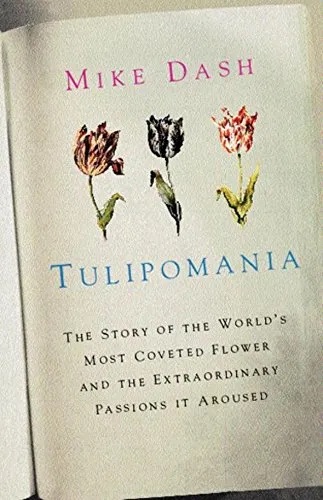
For example, I spent half of Sunday looking for a thin book called Tulipomania. I’d been struck by a whim to write about that magical time when, in the Netherlands, tulips were valued like gold. Alas, I still haven’t found that book. I looked into my cedar chest, I checked the back rows on all of my shelves, and even had a glimpse in the garage.
I know Tulipomania will make its appearance when I no longer have an urgency for it.
Something pleasant did happen when I was searching for Tulipomania. While digging through my dragon’s-hoard of books, I came upon titles I’d forgotten were in my library. They had been lost in the chaos, so when I picked them up on Sunday, they were like new. I might as well have gone to an eclectic, used bookshop and tossed them all in a shopping basket.
Therefore, Sunday was not completely fruitless. I kept forgetting that I was searching for Tulipomania. Instead, I made a new, backup TBR pile (which I still probably won’t get to for quite some time).
Now, I must face the sobering reality: If I want to enjoy my library, I can’t keep all the books I’ve stuffed into the corners of my room. I need to sort through my collection and pick the ones I’m most likely going to enjoy in the future. The rest will be donated, as I am sure other people will enjoy them far more than I.
A few days ago, I filled a box with some YA Fantasy that I enjoyed as a teenager—and donated them. Already, I see an improvement in my room, space-wise! Work remains to be done, however, before I actually find Tulipomania.
This bringss me back to my resolution for 2026. I can’t say that I’m not going to buy any new books, because that’s not realistic. I am going to make an effort to find books I’ve already read. I’m going to sit down with them at my favorite chair and enjoy them once again.
Years ago, these volumes taught me things about the world, helping to shape me into the woman I am now. How much more can they teach me this year? After all, I have now lived longer, experienced more of life, and I have more perspectives from which to consider these stories.
Until I find Tulipomania, I am reading The Language of Butterflies by Wendy Williams. I’m also reading Beatrix Potter: A Life in Nature by Linda Lear and The Brothers Karamazov by Fyodor Dostoyevsky. The book by Dostoyevsky has already surprised me for its density and wisdom. I’m taking to it with a pencil, hoping the Russian master’s words can shape my own writing style.
It’s not for nothing that these books earn the title of classic: centuries after publication, they continue to shape literature, immortalizing in the minds of future generations the power that words can have.
Reading past favorites is a sign of loyalty to those books. I’m revisiting old friends, assuring them that I haven’t abandoned them in favor of new publications that might be ‘trendy’ or ‘more relevant.’
It’s loyalty to myself: I know that I can reach for a complicated book with confidence. I will find something from within its pages, an idea to equip me for the rest of my life. Choosing the books that I know are my favorites proves I know myself. I am confident in who I am and what I will enjoy.
For the past decade, the only book I’ve read every year consistently was A Christmas Carol by Charles Dickens. This year, I’m branching out; this year, I’m taking a deeper dive into more complicated works. These books are often quoted in great speeches, mentioned in school, or referenced in cartoons and other forms of media.
It is good to honor them in this way, but my desire is to understand, to the best of my ability, the impact these words had on the world at the time of their publication. So, though The Brothers Karamazov is going to be a difficult read, I’ll spend the entire year—longer, if necessary—allowing it to transform me.
When is the last time that you reread a favorite book? Are you willing to take up the challenge this year, reading a classic that might require more active reading, perhaps even highlighters or a pencil? I would love to hear your thoughts in the comments!
In the first week of January, 2026, I got my hands on a few new journals.
One is going to be used for Bible notes and prayer. The other is a bulleted journal, and I have decided to use it for short daily notes, as well as ‘sidebars’ where I will be jotting quotes that I like.
Every few pages, I set aside some space in my BuJo for commentary on the books that I am reading. This allows me to quote them when the time comes to review them for this blog.
I do not doodle; my BuJo is not Pinterest friendly. Instead, I use pretty stickers to add some color to the pages.
Today, I am sick. I woke up with a fever and cough that make it difficult to focus on Piranesi, though every now and then I do sit down and read a bit on my phone (it’s always around, so I’ve abandoned the snobbery of ‘books only’ or ‘Kindle only’ in favor of whatever allows me to get to the story I love faster. So long as we enjoy what we are reading, I do not believe there is a better way).
From this update, it would seem that 2026 has begun unorganized and directionless. 2025 began with me hyper-fixated on reading a specific kind of book, within a set time frame, and then attempting to compose essays about them.
These essays would impress my readers and convince them that I did learn from what I was reading. This year, I do not feel the pressure to do that; this year, I have realized that I better enjoy what I’m doing if I relax while working on it.
I woke up today, coughed a little, and fixed coffee. While waiting for it to cool, I sat at my piano and played O Isis and Osiris. With patience, I intend to work through my book of simplified classics, not for the purpose of impressing visitors, but because I want to read music as much as I read books.
Last night, at a thrift store, I purchased a 6-cupcake baking pan and made a quick batch of vanilla cupcakes, sprinkling powdered sugar on them in place of buttercream. My family approved, so I am definitely going to make that recipe again.
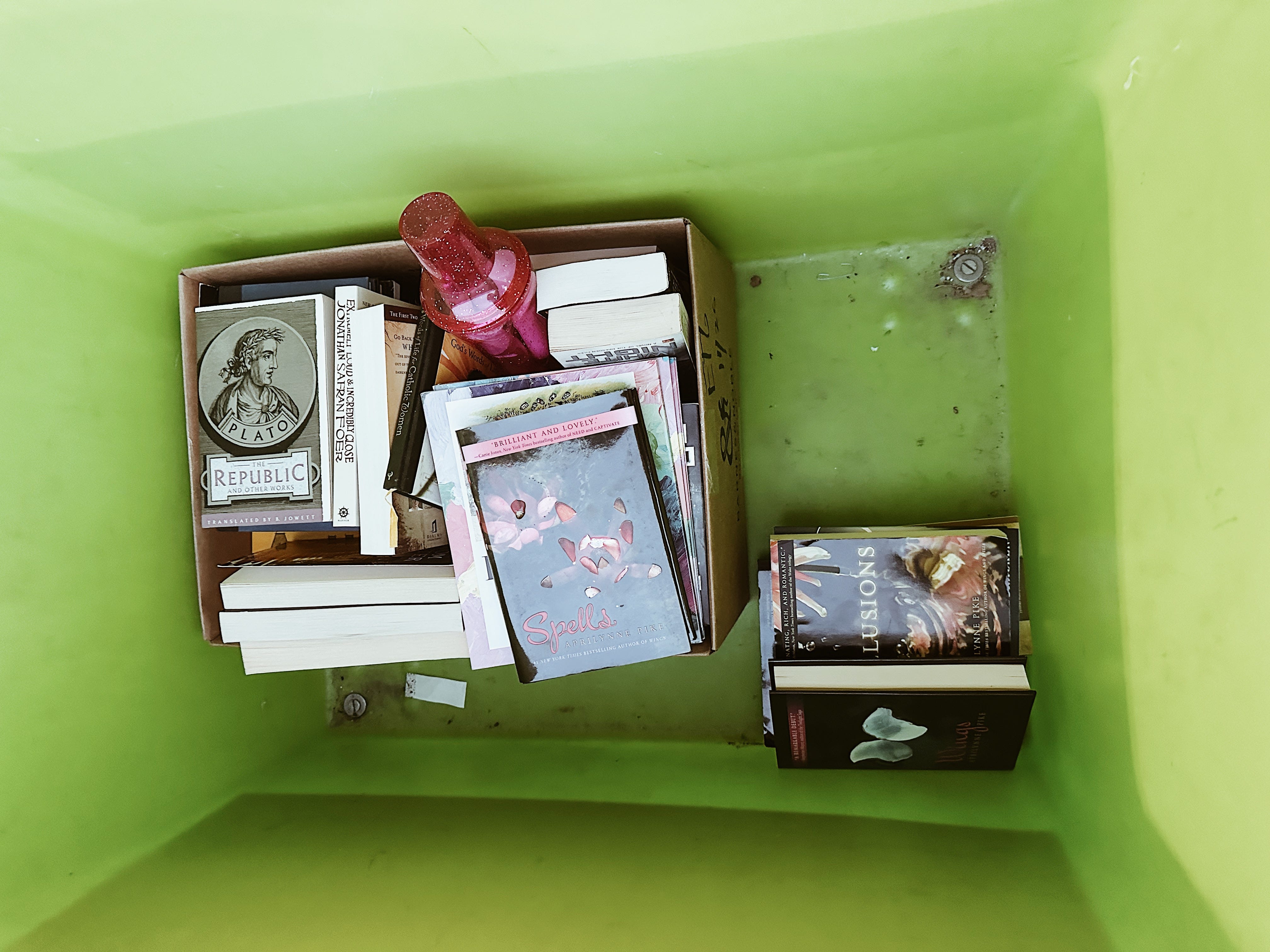
Oh, and despite my fear of donating books (in the past, I’ve always regretted letting go of them, because there’s always a book I realized later that I wanted to read) I filled a cardboard box with tomes for donation. It is the first of at least two donation loads. I have more space in my room; the surface of my desk is clear, so I can read Scripture, write in my diary, and sit in peaceful silence.
I am letting go of the notion that I have to look a certain way, in order to feel productive. I am letting go of the pressure to be like other bloggers who are comfortable with niches and disciplined enough to keep schedules. I admire them so much—I hope to be like them one day. However, if in the process of acting like them, I lose the peace and joy that my hobbies ought to offer, I don’t consider it worthwhile. In time, when I am equipped and ready, I know I can reach that goal.
Here is a photo of my books in the donation bin:
I am letting go of the fear that ‘no one cares’ about what happens in my day-to-day life. After all, I enjoy reading personal blog posts written by others; I’ve learned so much by reading their insights.
Writing allows us to learn the wisdom of ordinary people, folk that we can relate to, because their struggles are similar to ours. Their situations are not that different; their hobbies are such that we can relate to. If I have Writer’s Block, I can read posts by other writers who’ve experienced the same thing. If I am not sure of what to read next, I can ask people who enjoy similar genres, and they’ll offer a wealth of suggestions.
If I’m having trouble praying, dark nights of the soul are not unique to me. If, due to my flawed humanity, my usual methods of prayer are not fulfilling, I can ask others what worked for them. Or I can accept their encouragement as I sit in that sweet silence, knowing that—surely as I stand at the door and keep knocking—eventually, I’ll hear His voice again.
My BuJo isn’t fancy. I might not produce quite as many historical essays in 2026 as last year. I’ll still be here to make friends, meet people I can relate to, and offer support. There are different phases in life, but we all grow together, and we have things to offer one another—strength to lend when neighbors need it.
So, my New Year’s Resolution is to let go of what I thought I needed in order to feel ‘legit.’ I resolve to sit, sip coffee, and practice my piano; I resolve to find the strength that is present in blessed silence.
I resolve to find God, myself, and the small, sweet tastes of joy that may be found around every corner.
I’ve read 26% of Piranesi, and am enjoying it just as much as the first time. It feels new, and the world building is enthralling.
Have you read it? What do you think about it?
Please drop a comment telling me what you are reading. I’d also love to hear what your resolutions are—what you plan to let go of, and what you intend to pick up.
We are doing this life thing together, all of us; a lesson learned by one is a lesson that benefits all.
Don’t be selfish! What have you learned in these first three days of 2026?
If you’ve been keeping up with my newsletter, you’ve seen me talking about my new project—The Tearoom: First Ladies. It’s going to be a series focusing on the wives of US Presidents.
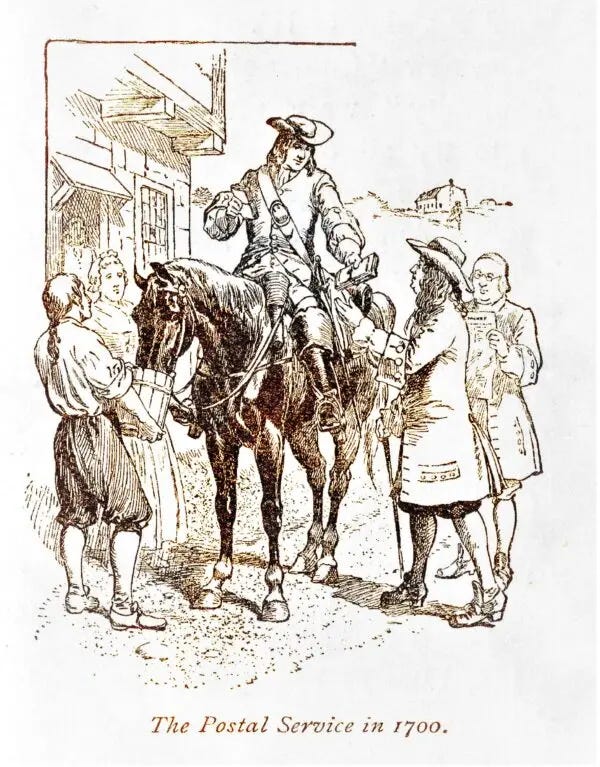
I have long been a fan of ‘snail mail,’ the practice of writing letters on paper. Using envelopes and stamps, we send tangible evidence of affection to family and friends. However, our mailboxes do not provide the same sort of thrill as in olden days; many approach it every day with a chagrin.
It seems that, lately, we receive junk mail and advertisements more often than letters. We traded all of that for the speed and convenience of instant messaging and e-mail.
From the beginning, there was more to the post office than bills and catalogues. It was important to the growth of America.
In her fantastic book, How the Post Office Created America, Winifred Gallagher tells the story of our Post Office. This story is far more exciting than I expected. Today, a walk to the mailbox can be a waste of time (and a disappointment, when bills arrive).
You might see your mailbox in a new light, once you learn how the Post Office kept us together as a nation. Before the explosion of catalogues and coupons, colonists and revolutionaries depended on the post.
If America was a body, the post offices were her veins. Mail sent life to little towns as they were established. The post office kept this newly independent body running, united, and healthy.
Benjamin Franklin, Postmaster General
A post office did exist before the American Revolution. It belonged to the British government, and one of its purposes was to keep the colonies in check. (It’s no coincidence that the Stamp Act was one of the ‘last straws’—sparking rebellion in colonists who were already disgruntled).
Benjamin Franklin seemed to have been involved in many things, but I wasn’t aware of his contributions to the post. He was certainly a celebrated scientist and scholar. I learned from Gallagher’s book that he had also been America’s Postmaster General.
Appointed in 1753, Franklin served as overseer for all existing post offices in the colonies. He was given the ability to appoint new postmasters in small towns.
Franklin, ever the innovator, had ideas for streamlining the process, ensuring that letters reached their destinations faster.
I quote from Gallagher’s book:
At a time when overland travel was a grueling ordeal, he personally surveyed and strengthened the sketchy system that connected, albeit erratically, the widely scattered, culturally diverse provinces from Falmouth, Maine, to Charleston, South Carolina. He made many improvements, from plotting more efficient routes marked with milestones to speeding up delivery; round-trip service between Boston and Philadelphia was cut from six weeks to three, and one-way service between Philadelphia and New York City to a mere thirty-three hours.
The post office was not only important for delivering letters. Vital newspapers traveled by post, as well. Newspapers helped people in remote places keep up with what was going on in their shifting world.
Benjamin Franklin was also the editor of his own newspaper. During the French and Indian War, Franklin used the post and his newspaper to begin rallying troops:
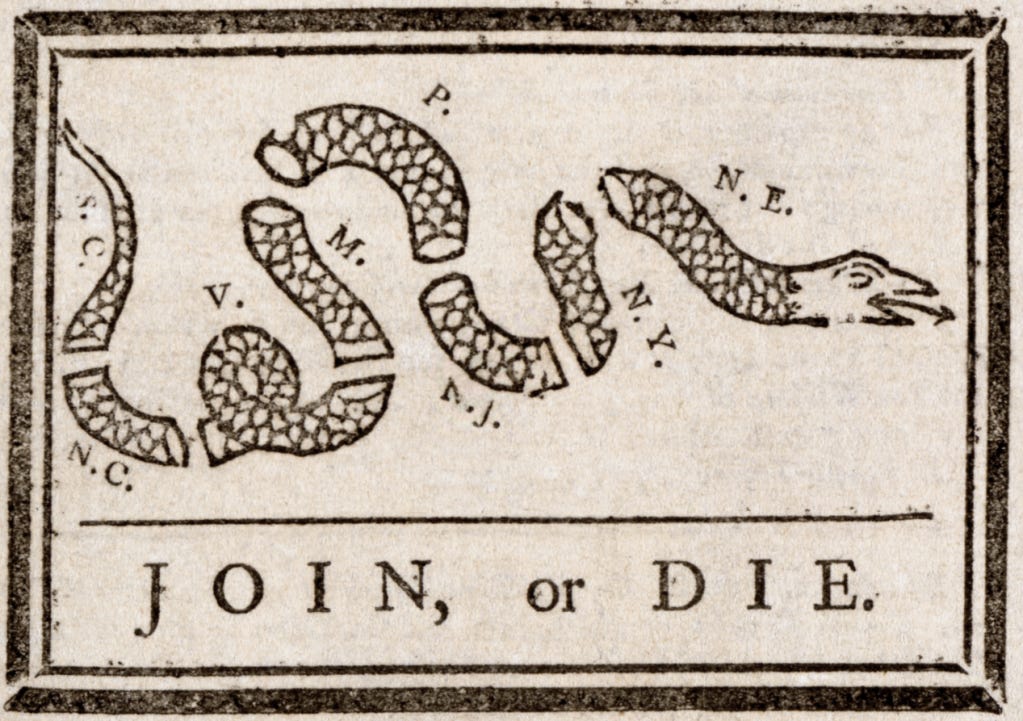
Just a month before the Albany Congress, Franklin’s Pennsylvania Gazette had debuted America’s first political cartoon. The simple drawing showed a snake that had been cut up into pieces, signifying the colonies, and the caption read JOIN, OR DIE. The immediate reference reflected Franklin’s concern over the need for the English provinces to unite against the French in the looming colonial wars. On a subtler level, however, the sketch invited a provocative question: Why stop there? Within a generation, Franklin and the post would be at the center of a revolution.
Franklin’s 1754 political cartoon for the Pennsylvania Gazette
Benjamin Franklin’s Print Shop
The first chapter of Gallagher’s book tells us about Benjamin Franklin’s early years. This includes his work as the owner of a print shop. Such facts are crucial for understanding important figures, but they’re not often taught in history class.
I enjoyed reading about these details, because they added color to his image in my mind. They explained how he was largely a self-made man. He did have various patrons, but worked hard all the same.
Benjamin Franklin aimed high, and this reflected in his work as Postmaster General. He was not content to settle for a flawed post system.
I’d love to offer some context about his print shop, as well. Such was its success that the British government offered him a promotion:
Franklin went on to open his own print shop on Philadelphia’s bustling Market Street and prosper. … In 1737, Britain recognized the enterprising printer’s merits by appointing him Philadelphia’s postmaster, and in 1753, he was promoted to the important position of joint postmaster general for all the North American colonies.
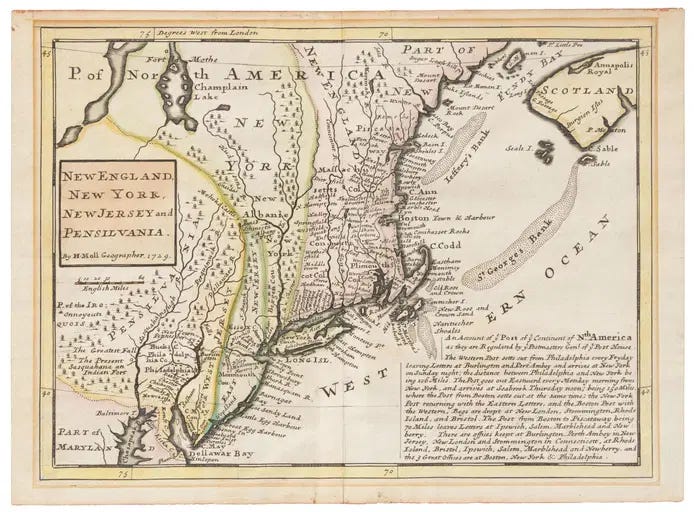
A map of early U.S. Post Routes
Benjamin Franklin worked hard to improve the Post Office system. However, this service had not yet finished evolving.
Since the country was growing at a fast pace, its Post Office was in constant need of fine-tuning. As settlers began to move west, postmasters faced new challenges. They needed a postal service that would connect settlers with communities they were leaving behind.
This meant new Post Offices and improved roads to get to them. The country was growing; new veins were needed in order to keep her alive.
The Value of Farmers
It was important for farmers to make their homes in distant places. The country depended on their work. It was in the government’s best interest to make them as comfortable as possible. The least that could be done was ensure that their mail would arrive.
This would not be a simple matter. After the war, it was difficult to coax all thirteen states to agree on a road system. They might have fought for independence together, but a sense remained that they were thirteen different bodies. Not all of them had the same priorities.
If roads could not be built to make the process easier, was it possible to improve the system?
Eventually, after several debates among various states, a few postal roads were established. These roads soon became gathering points. Settlers built their homes as near as possible to Post Offices.
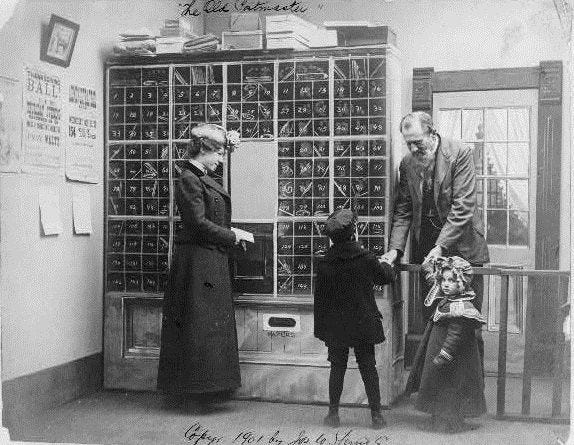
The Post Office became a much-needed social spot. Men and women went to gather their mail, enjoying chats with neighbors in the process. This was especially common in places where the post office happened to be inside stores, such as farmers’ markets.
Early post office with post boxes.
If only it could be like that now! We could look forward to checking local shops for our mail. Even if we didn’t have any mail, it would offer opportunities to talk—not text—with friends.
We would look forward to getting the mail again.
Inventing Home Delivery
As the Post Office grew, more changes arrived.
During the Civil War, it was suggested that the Post Office should deliver news from battlefields to family members. We can understand the reasoning behind this. Countless men died during that war, due to injury and illness. Imagine the constant scenes of heartbreak if, each time a wife or mother visited the Post Office, she were to discover that the man she was waiting for had died.
The Postmaster General of that time insisted that such moments be private. Initially, there was debate about the propriety of having a mailman approach a house where a woman might be alone.
However, the proposal was approved. These families had lost so much; they at least deserved privacy in which to grieve.
Delivering letters was another challenge. This service was new; mailboxes were not yet common. Therefore, the post had to be hand-delivered. If no one was home the first time to receive their letter, the postman held onto it, finished his rounds, and tried again.
Eventually, the envelope was received. If the news was bad, we can imagine that the recipient wished it had never arrived.
Though our Post Office has had many improvements, the process of delivering mail from all over the world continues to present complications. These include transportation, organization, and hiring workers.
Since the Post Office is a service that benefits all of us, many postmasters have tried to find solutions. How the Post Office Created America offers, in its final chapter, a compelling summary of what could be improved.
I read this book on a whim. I never gave much thought to the importance of mailboxes. It is now clear to me that they served as lifelines, holding together a brand-new nation as it grew and explored unfamiliar land. It connected families, fending off a crushing sense of total isolation.
How the Post Office Created America was a fascinating read. If you want to know more about our early history and would like a new perspective, I recommend this book. It is not incredibly long, and it’s an engaging read.
Though the American Revolution is recent history when compared to other events, much of it remains a mystery. With no photos to provide clarity, we rely on our imaginations for a good deal of it.
All book lovers know the happy dilemma of having too many books.
Many of us are blessed with shelves and shelves of volumes that we intend to read one day. There are so many—it could be a long time!—but no, we are not donating them. How dare you suggest such a thing?
We’re not donating them, but we haven’t read them yet, either. The reason is simple: We have several other books to choose from. (For the record, few book lovers understand the order in which they choose their own reads. It has little to do with the order in which the books were purchased.)
It has been said that a book is a friend—and that the friend is aware. A book will always tell you when the time has come to enjoy it.
(The quotes in this post are all from 1776.)
Owned, but not read…
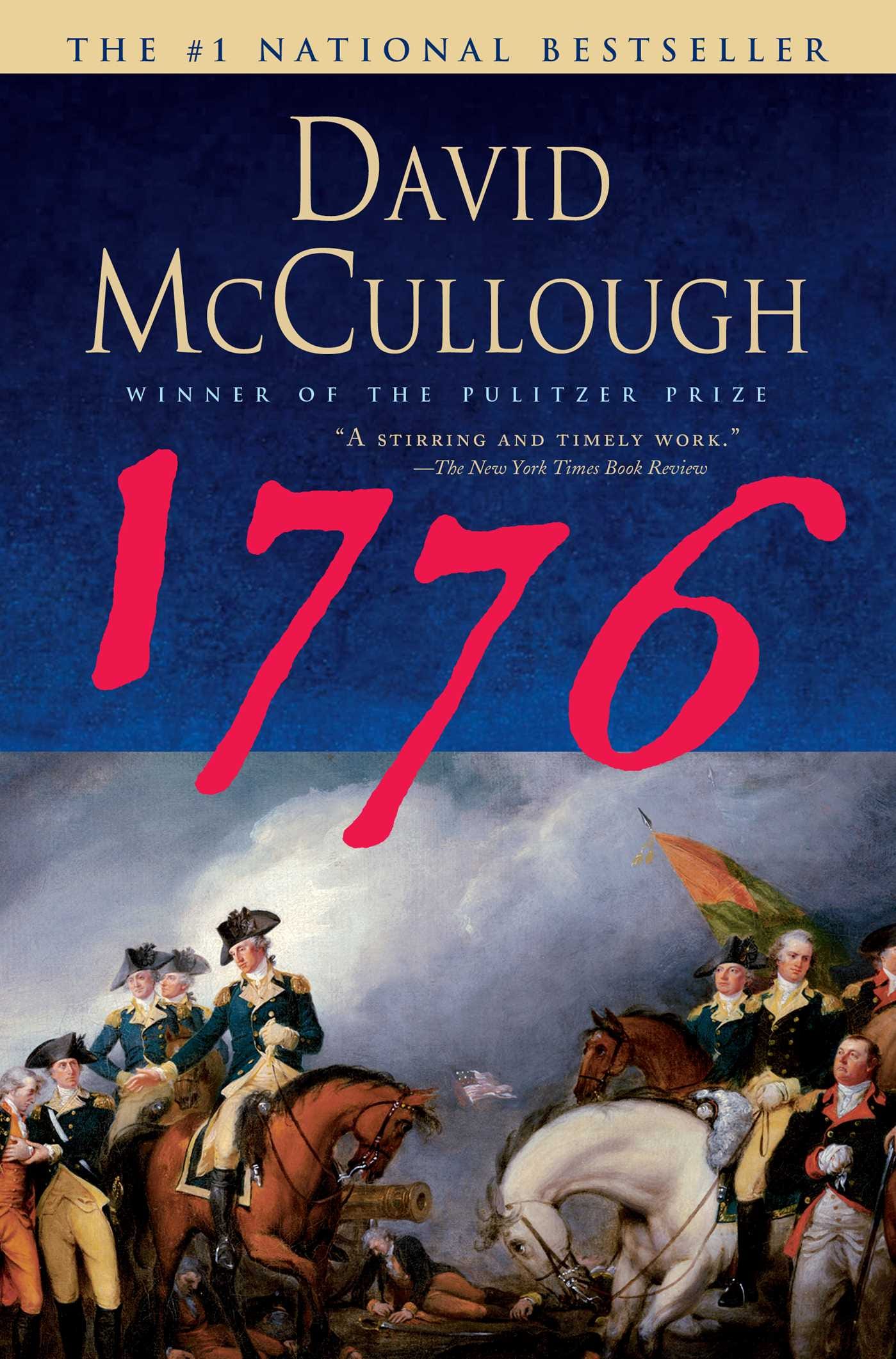
This year, I was beckoned by the book 1776 by David McCullough. I remember purchasing it long ago, soon after it was published. I purchased it in the spirit of “Everyoneis buying it. Therefore, it must also be on my shelf.”
The risk with this mindset, is that such books can end up on the “Owned but Not Read” shelf.
This year was my time to read 1776. It didn’t take as long to get through as I thought, and I knew halfway through that it didn’t deserve to be in the “Owned but Not Read” shelf.
It is an important story, especially now that we are nearing the 250th anniversary of our country. Now that I have, at last, finished this book, I understand why it’s been so popular (for those who’ve actually read it).
It isn’t only important for Americans. The story is so surreal that I’m sure everybody would enjoy it.
If you need five reasons to read 1776, here are my suggestions. (I’m aware that six reasons would make more sense, but for the sake of post length, we’ll limit it.)
If you are on the fence, maybe a couple of these points will compel you to reach for the book!
1- It tells about ordinary soldiers.
This year, during my journey exploring early American history, I’ve been reading a lot of biographies about the Founding Fathers.
These were obviously not ordinary men, with many born into some form of privilege. They tended to be wealthy in land and well-educated. Even gentleman-farmers did not get sweaty. Jefferson owned farms, but slaves took care of the hard work.
1776 does mention these men. How could we tell this story without them? However, they do not overshadow the ordinary soldiers. This book honors the common men who fought and died for that cause, which I appreciated.
McCullough helps us to see that war from the viewpoints of working husbands and fathers. There is a special greatness about those who signed up to fight, knowing that they were imperfect and unprepared—and might lose their lives.
McCullough makes a point of “showing” us how precarious the matter was for these men and their families. In the following passage, he recounts how British commanders Burgoyne and Percy dismissed them as ‘peasantry,’ ‘ragamuffins,’ and ‘rabble in arms’:
That so many were filthy dirty was perfectly understandable, as so many, when not drilling, spent their days digging trenches, hauling rock, and throwing up great mounds of earth for defense. […] It was dirty, hard labor, and there was little chance or the means ever to bathe or enjoy such luxury as a change of clothes.
2- It introduces us to King George III.
In many books about this war, King George III is mentioned in passing. It’s not hard to imagine why; after all, he didn’t do the fighting.
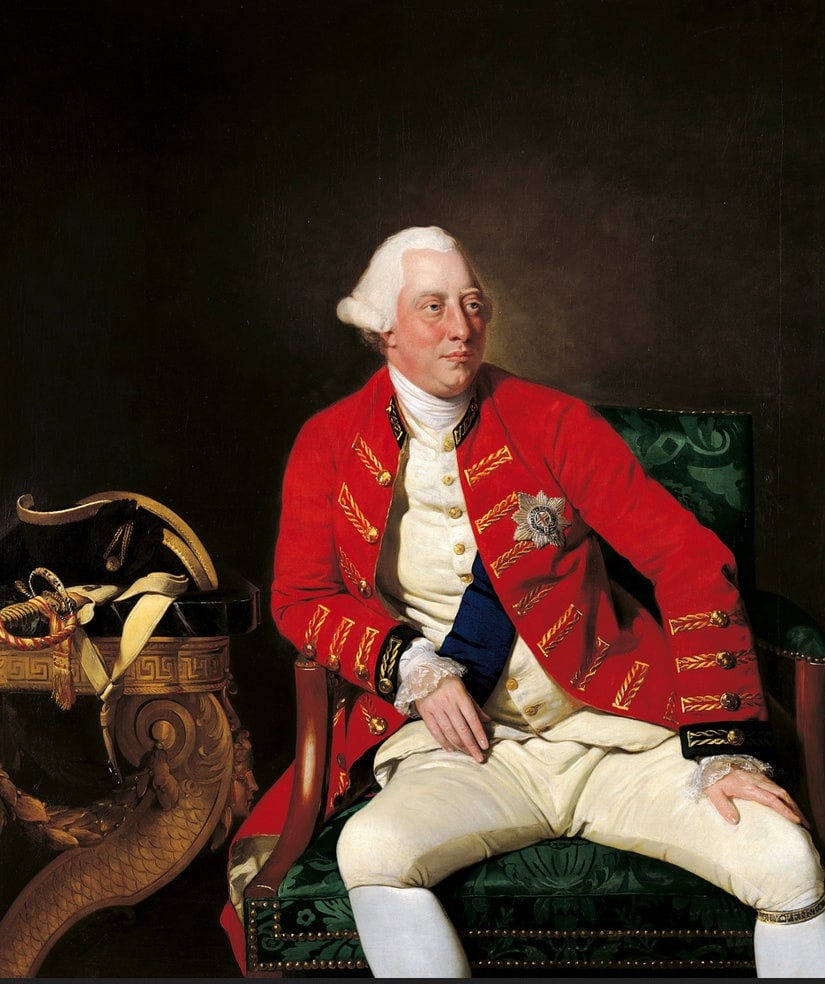
1776 was the first book I’ve found in which the author troubled himself to introduce the human who was king.
King George III of England (1771), Johan Zoffany
King George III was more than an ominous figure feasting in the background. The following paragraph helps us to “see” him:
George III had a genuine love of music and played both the violin and piano. (His favorite composer was Handel, but he adored also the music of Bach and in 1764 had taken tremendous delight in hearing the boy Mozart perform on the organ.) He loved architecture and did quite beautiful architectural drawings of his own. […] He avidly collected books, to the point where he had assembled one of the finest libraries in the world.
It’s important to know about the king. Knowledge of King George III provides contrast, which in turn helps us understand George Washington.
Much has been made of the fact that the two rivals were called George. Many think it fate that the George who won did not have natural children; therefore, no American royal line followed.
This balance makes the story more poignant and exciting.
3- It mentions an imperfect Washington.
George Washington is famous for having been able to maintain calm in impossible situations.
We remember him as being forever in control. I believe this does him a disservice—he was also human. Therewere times when he lost his patience; how could he not?
George Washington had been placed in charge of young, untrained, undisciplined soldiers. He needed to mold them into an army that could defeat an empire. Given those circumstances, there were surely instances when he felt fear.
During the battle at Kips Bay, he rounded on his soldiers, overcome with anger:
It was everything he had feared and worse, his army in pellmell panic, Americans turned cowards before the enemy.
In a fury, he plunged his horse in among them, trying to stop them.
Cursing violently, he lost control of himself. By some accounts, he brandished a cocked pistol. In other accounts, he drew his sword, threatening to run men through. “Take the walls!” he shouted. “Take the corn field!” When no one obeyed, he threw his hat on the ground, exclaiming in disgust, “Are these the men with which I am to defend America?”
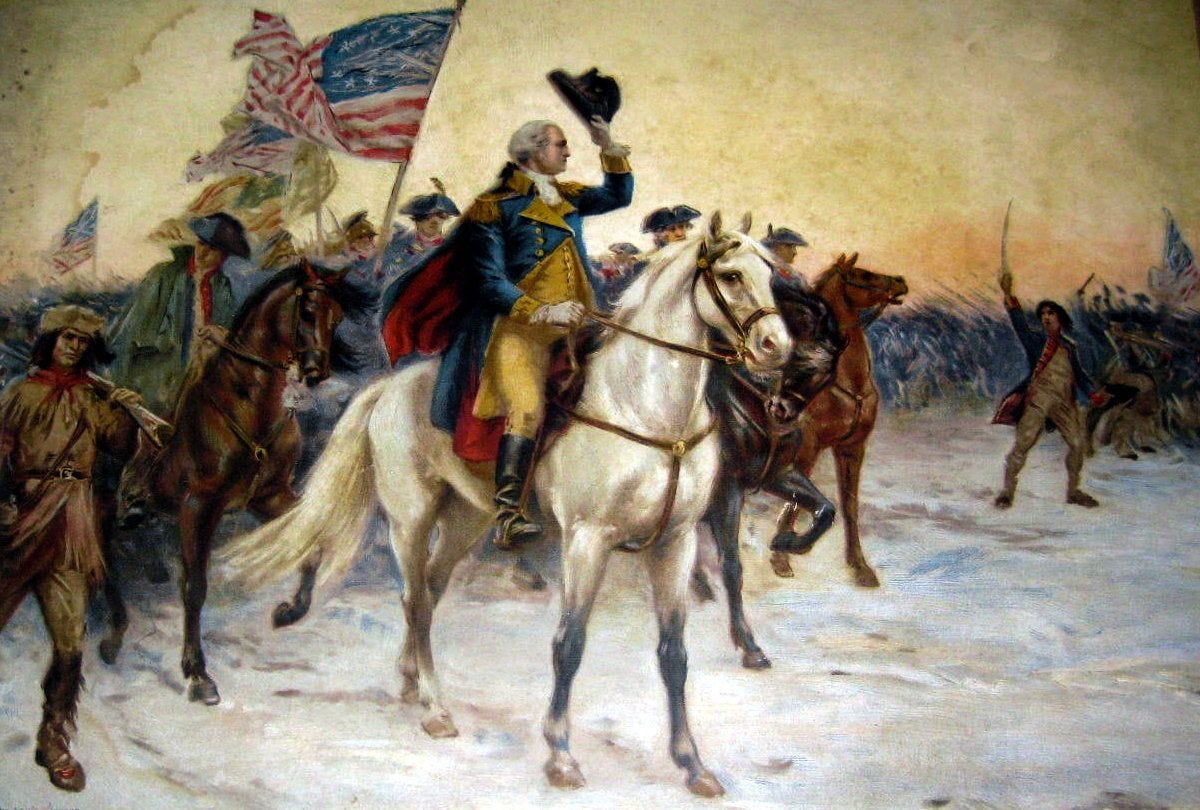
There were also times in which Washington was a source of courage. He knew that, in spite of the odds, these men hadenlisted. They were imperfect, yet chose to risk their lives.
Washington’s March through the Jerseys (1908), J. L. G. Ferris
During another battle, his presence stirred a different spirit:
The sight of Washington set an example of courage such as he had never seen, wrote one young officer afterward. “I shall never forget what I felt … when I saw him brave all the dangers of the field and his important life hanging as it were by a single hair with a thousand deaths flying around him. Believe me, I thought not of myself.
“Parade with us, my brave fellows,” Washington is said to have called out to them. “There is but a handful of the enemy, and we will have them directly!”
4- It’s truthful about human fear.
It’s said that hope is the last thing to die. We would like to believe that the rebels were always ready to fight. When provided with context, we can understand why this was not so.
Rebel towns were under siege from an experienced army of men, professed soldiers. They were prepared tactically; they had the motivation of decent pay. When Hessian soldiers arrived to assist the British, even the British shook their heads at Hessian savagery.
American men continued to die or become grievously wounded. Towns were raided, women and children brutally attacked. As victory seemed less and less likely, people grew desperate. They wished to ensure the safety of their families.
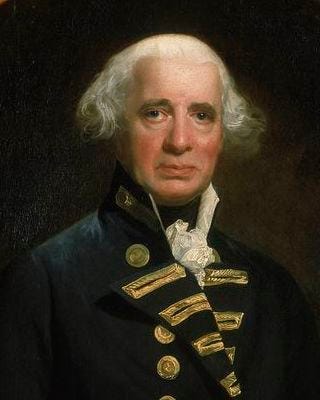
This safety seemed to arrive at last, when Admiral Lord Howe presented a proclamation on behalf of the King. It offered “free and general pardon” to all who, within sixty days, would take an oath of allegiance and “peaceful obedience.”
Those who took such an oath would:
reap the benefit of his Majesty’s paternal goodness, in the preservation of their property, the restoration of their commerce, and the security of their most valuable rights, under the just and most moderate authority of the crown and Parliament of Britain.
Admiral Lord Howe (1794), John Singleton Copley
In New Jersey, thousands eventually flocked to take the oath. It seemed the prudent choice, a way to ensure safety.
Astonishingly, Washington’s army held out. In spite of the flickering nature of their hope, the Treaty of Paris was eventually signed, ending the war.
5- 1776 was just the start.
The war did not end until 1783, with the signing of the Treaty of Paris. During those years of tumult, the rebels suffered losses and gains. There is so much to write about during the years in between.
I’ve written about Benjamin Franklin, whose influence in France offered us great advantages. I’ve read about the frustrations of John Adams and Thomas Jefferson, as they tried to forge alliances with other nations.
1776 wasn’t the only notable year of the Revolutionary War. It was the time when ordinary men—farmers and shopkeepers by profession—decided to risk it all. They went forth to fight an enemy that was much bigger than them.
McCullough’s book, 1776, tells their stories with sparkling prose. It offers vivid pictures of men and women who realized that better lives were possible.
If you are on the fence about reading it, I hope that this review can sway you.
David McCullough was an excellent author. Though this was one of his shorter books, it tells an important story.
Nearly 250 years later, the spirit of 1776 is alive. With our country’s anniversary drawing near, these pages offer an opportunity to go back in time. It’s an opportunity to celebrate, learning about 1776—how it started, and why it is worth fighting for to this day.
Have you read this book? If so, what do you think about my points? Feel free to comment and start a conversation!
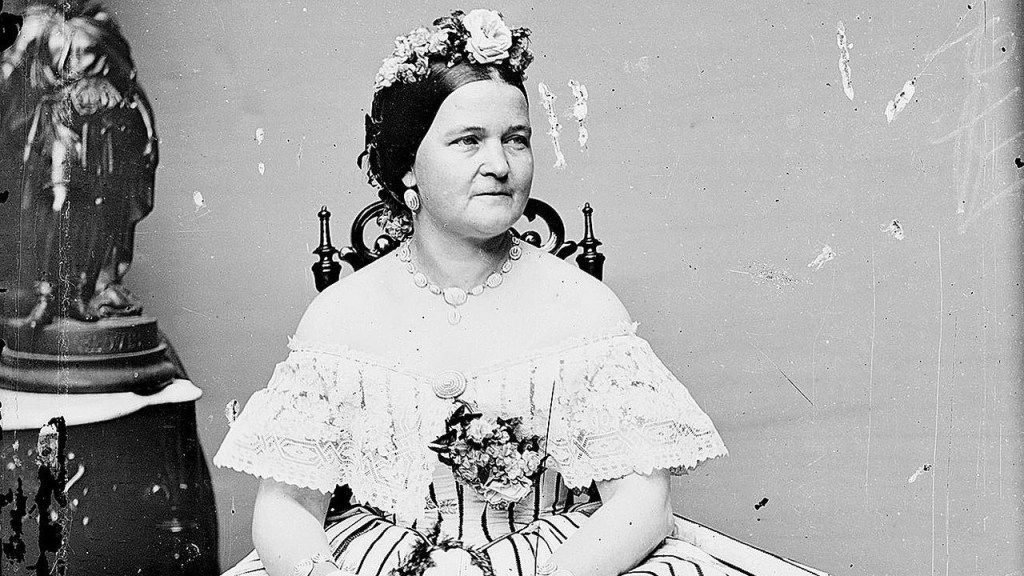
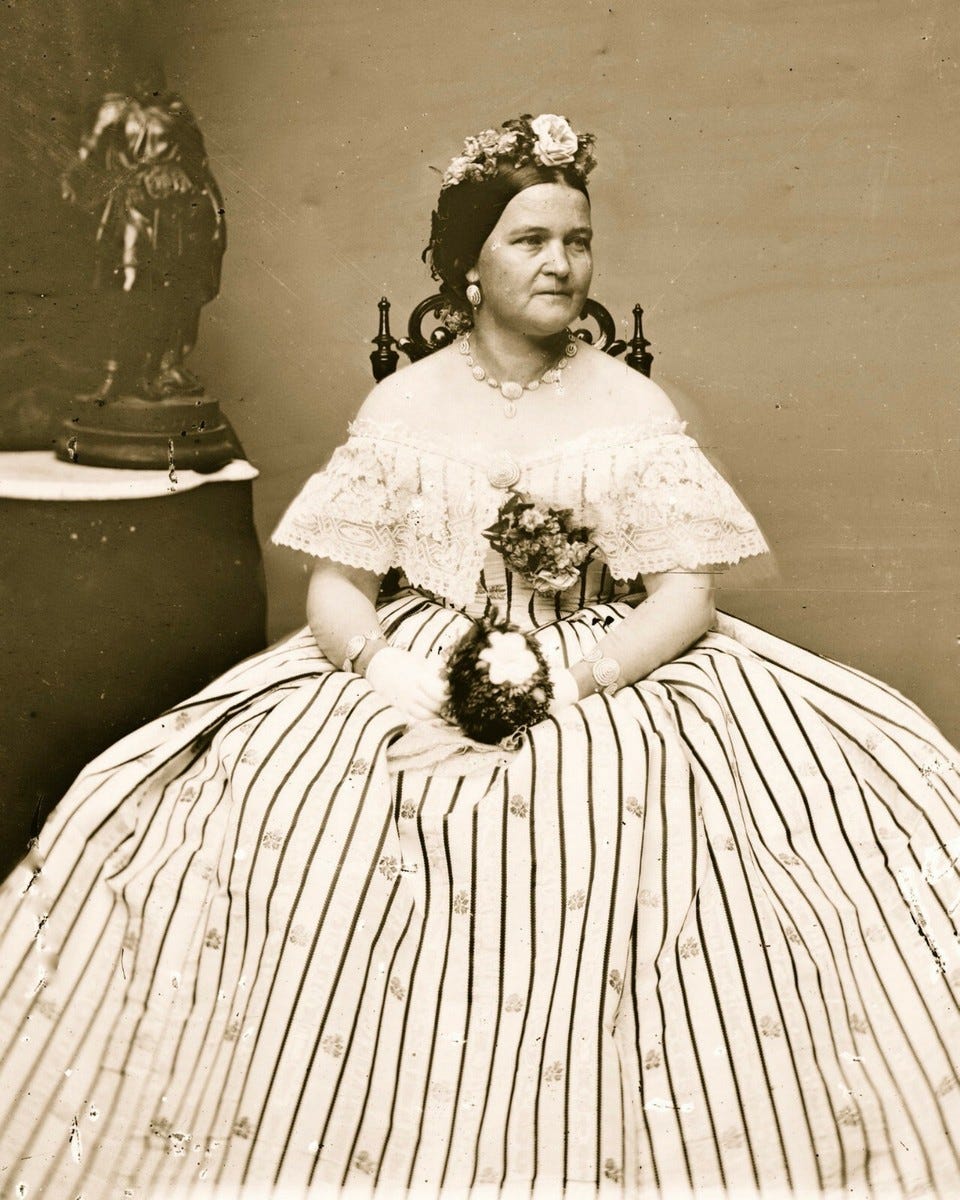
This week, I discovered an article on a website called President Lincoln’s Cottage. It mentions a piece published in The Washington Post which bears the title, “Mary Lincoln wasn’t ‘crazy.’ She was a bereaved mother.”
I agree with the title—and am grieved that such an article is necessary. It was written by Callie Hawkins, who had been working at Abraham Lincoln’s Cottage for ten years when, tragically, her baby was stillborn.
It was not enough that she was grieving her lost child. Familiar with Mary Lincoln’s story, she was afraid that she would be perceived by others as ‘crazy’ because of the time that she spent grieving.
Mary Lincoln’s grief began in childhood, when she lost her mother, but it was after she began to lose her children that her brokenness became more visible—and more aggressively criticized. She even contacted spiritualists. Already a reckless shopper, she decided to purchase more things.
The Washington Post article comments of her husband:
President Lincoln felt these losses deeply, too, but he expressed it in more socially acceptable ways, like throwing himself into work, locking himself in his office or secretly visiting the crypt that temporarily held his son’s coffin at night. In a sexist society, his grief was viewed as a more heroic “melancholy” than Mary’s, who was dismissed as self-absorbed or insane — a stereotype that persists to this day.
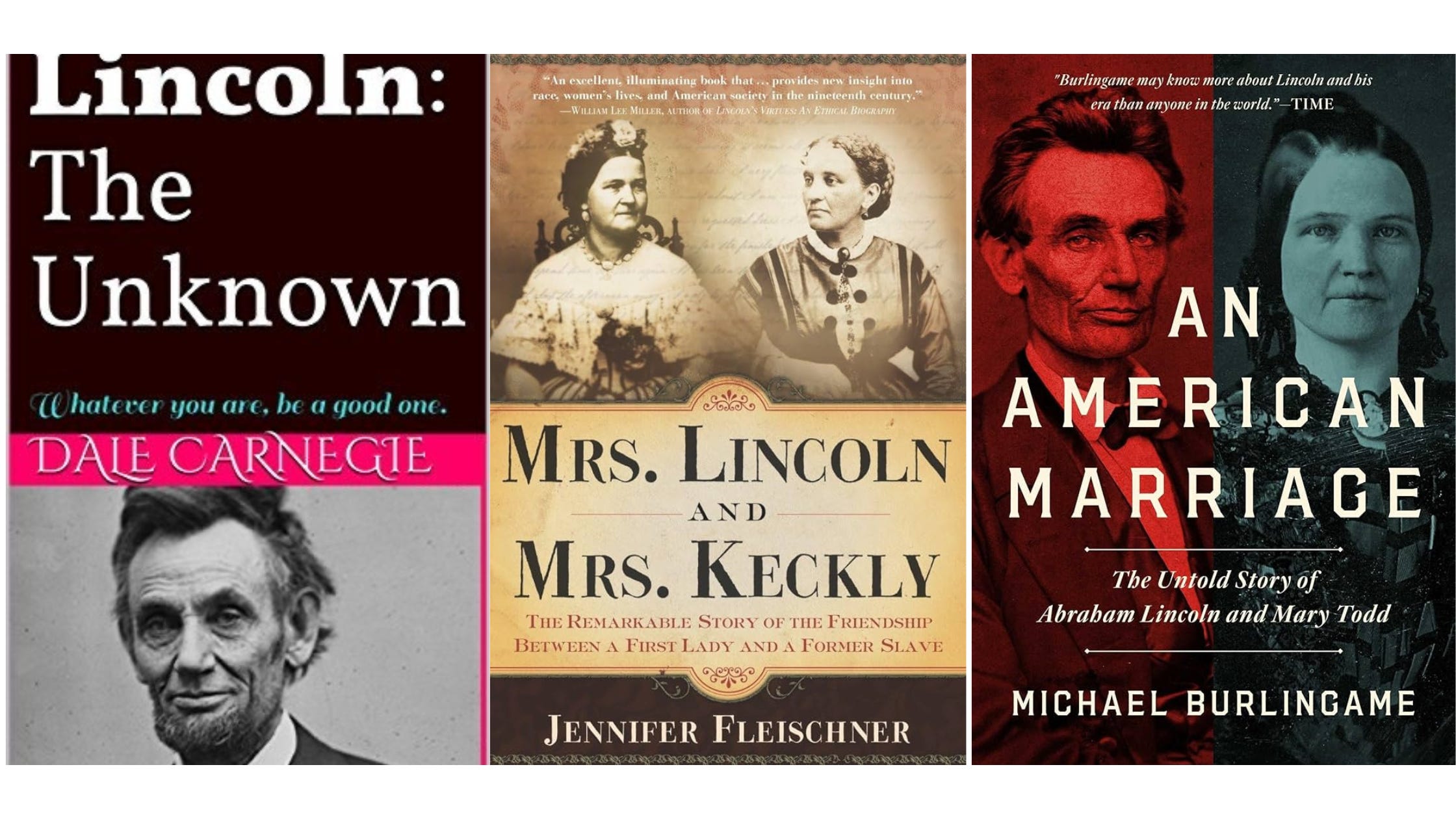
More socially acceptable ways. In the three books that I’ve read so far about the Lincolns, it is Abraham whose melancholy is perceived as normal and even heroic. Only in the book Mrs. Lincoln and Mrs. Keckly by Jennifer Fleischner is Mary Lincoln given a gentler portrayal: that of a broken soul born into the wrong time.
It’s said that history is written by the victors. While I don’t wish to believe that all historical outcomes we know of were composed in this spirit, one thing is for certain.
In 2025, we enjoy great advantages when it comes to learning. Not only are books more readily accessible for scholars (or simply people who wish to learn). If used with caution, seeking credible sources and cross-referencing, the Internet can provide us with many answers. We hold the world in the palm of our hands; we need only learn how to use it.
With such great power readily accessible, it’s no wonder that so many of us have committed our free time to digging truth out of texts written by ‘victors.’ By means of patient study, reading, and preparing to be wrong, we search for the truth. This includes seeking the truth about people who’ve been painted unfairly, based on the standards of their time.
Mind, I’m not saying that Mary was necessarily the gentlest of hostesses. I can’t claim, either, that everything negative written about her is wrong. At the end, I have neither the sources nor the talent to clear someone’s name and set history as we know it to rights.
I do have an opportunity to share my own thoughts. I’m not alone in perceiving an imbalance in the lore of our great President, Abraham Lincoln.
It’s true: there’s much about the Lincoln family that I don’t know. I’ve been to the museum near Ford’s Theater; I’ve seen that tower of books about his life. It’s not possible that I can read them all, but the first one I reached for this year disappointed me.
A Bone to Pick with Carnegie
It started with a friend’s copy of Lincoln: The Unknown by Dale Carnegie. He is a famous author who has become a staple in the literary canon. From his book, I hoped to learn things about the President, or be inspired to write an article. The book succeeded in that goal, but my research was driven by disappointment in how Carnegie wrote about Mary Lincoln, the President’s wife.
Lincoln: The Unknown seems, at first glance, to be a sensible narrative. Its length is not too overwhelming for younger readers. Style-wise, it is excellent, capturing Lincoln and portraying him as a hero. I felt that this was achieved at the expense of the woman to whom he was married.
By the time I finished that book, I could not say that I enjoyed it. I would never recommend it to someone who is just learning about that great President. Carnegie was determined to make Mary look as bad as he could.
It’s not possible that she could be perfect—no human being ever is. Neither is any human naturally the villain from every angle.
Lincoln: The Unknown consistently paints Mary in a negative light. First, she is the stalkerish, spurned lover. She’s a selfish woman who coerced a man into a miserable marriage. Immediately after this, she’s still selfish—but now she is a nagging wife, who goes out of her way to embarrass her high-profile spouse.
I do not justify the behaviors that have been described by those who knew Mary Lincoln. If it is true that she chased her husband into the street with a knife, we can only imagine what took place behind closed doors. In 2025, though, negative claims should be balanced with research and rational thinking.
The More Things Change…
We now know that certain disorders can cause behavior such as hers (irritability, manic shopping, obsessiveness). Modern historians suggest that she suffered from many things, including bipolar disorder.
This is not an excuse for knife-brandishing. However, a reasonable person will know that it makes a difference. Only recently have we begun to see mental health for what it is.
What troubles me about Carnegie’s presentation of her is that she’s given no opportunity to redeem herself. He does not mention how Mrs. Lincoln volunteered at hospitals during the war, helping wounded soldiers. He does not express sympathy for the pain she felt when her children died. Instead, he slanders her as an ambitious woman who did not know her place.
When I returned Lincoln: The Unknown to the friend from whom I borrowed it, I spotted another book on the same shelf: Mrs. Lincoln and Mrs. Keckly by Jennifer Fleischner.
Carnegie had mentioned, sparingly, that Mary developed a trusting friendship with Lizzy Keckly, a freed Black woman who had become a talented dressmaker for the important ladies of Washington. Fleischner tells this story in detail, and she does include pieces of information about Mary’s background that could explain her behavior.
Fleischner’s book is honest about Mary Todd’s flaws, beginning in childhood. She is honest about all of these tidbits. It’s amazing the difference that a writer’s tone can make! She managed to sound objective and sympathetic. Is this because Mrs. Lincoln and Mrs. Keckly was written by a woman? Is it because more time had passed since the subjects of that book lived?
Mary Todd was a ‘loud child’ in an age when children were expected to be seen, not heard. Later, as a young woman, Mary Todd was still loud—and also, a shameless flirt. Having been born into a family of good name, she enjoyed her own ‘Season’ and had no shortage of suitors.
By the end of Mrs. Lincoln and Mrs. Keckly, the impression I had was this: ambitious Mary Todd was born at a time when there were few ways for ambitious women to achieve anything. Her ambitions were political, and a good marriage was Mary’s only option. She could certainly never run for office.
Knowing all of this, is it really such a surprise that, meeting a man she believed would make it in politics, she pushed hard for that union?
Dreams of the White House
Mary Todd’s dreams began when she was young. Jennifer Fleischner recounts something that Mary, as a child, said to her father, Robert:
Mary’s earliest political ambitions were tied to her father’s success before they were tied to her husband’s. In 1832, when she was twelve, she is supposed to have “begged” Robert Todd to run for President because she wanted to live in the White House.
Mary knew what she wanted when she asked her father to run for President. She was being brought up in a household where politics were discussed at the dinner table. Doubtlessly, she knew about the ‘hot issues’ of the day.
Carnegie writes about young Mary Todd’s ambitions in less flattering words. Note the difference in tone:
Mary was possessed of a high and haughty manner, an exalted opinion of her own superiority, and an abiding conviction that she would one day marry a man who would become President of the United States. Incredible as it seems, she not only believed that, but she openly boasted of it.
He writes about Mary’s political ambition in such a way that her dream is painted as shockingly evil. I suppose that, in her lifetime, such an ambition could seem sinister.
Mary Todd’s flawed behavior would have been influenced by fear of abandonment that began in her childhood. Her mother died of childbirth complications when Mary was only six.
After this loss, Mary sought a maternal figure in her older sister, Elizabeth. She also sought a mother in Mammy Sally, one of the slaves in the Todd home. It was not uncommon for children of slave-owning families to become close with the slaves.
Mary and Mammy Sally developed such a trusting bond that Mammy Sally confided to Mary a dangerous secret. She had been helping runaway slaves who stopped at the Todd home, offering them food and rest as they fled lives of bondage.
Young Mary did not get Mammy Sally into trouble about this, even though she could have. (This is a detail that Dale Carnegie failed to mention). Instead, she offered to take food to a fleeing slave. In her youth, she believed that this would be perceived as good. Mammy Sally explained that runaway slaves were afraid of recapture. The sight of even a white child could cause the man great fear.
Mary’s shortcomings as a wife should be balanced with details like this. Rather than painting her as a manipulative woman who bullied Lincoln into marriage, we should recall that she had moments of compassion. It is important to do this, because she is a significant figure in American history.
He’s Also the Problem
I’m not naive—by all accounts, the Lincolns’ marriage does not seem to have been happy. A lot of drama surrounded their engagement and, eventually, their vows. Before we blame Mary’s temper for all of it, I would remind readers that Abraham Lincoln’s melancholy existed before he ever met Mary.
Lincoln struggled with depression. He’d been born into poverty, and he also lost his mother as a child. He was never a happy man, and while disagreements with Mary would have worsened matters, she was not the sole cause of his misery.
Look at the context; they lived during the Civil War. How could a serious writer try to blame his wife for all of his unhappiness?
Abraham Lincoln did apparently fall ‘out of love’ with Mary Todd, during their courtship phase. This was after they exchanged several letters. Something she wrote revealed an angle of her personality that he didn’t like.
He decided that he could not happily live with her, which is valid. No one should feel obligated to marry someone they don’t think they could live with. Yet he married her, anyway.
My impression is that their relationship was mutually toxic. Abraham Lincoln had depression. Unlike Mary, he’s portrayed as someone who seldom lost his patience. He’s lauded as someone who agreed to marry Mary in order to preserve his honor. He then settled to live an apparently miserable life with a woman who could never shut up.
The dynamics of their marriage seem to have been odd, as well. Fleischner suggests that Mary sought men who would present as a replacement father figure. She found the perfect example in Lincoln:
Lincoln, who was nine years older and possessed the air of a much older man, had these qualities in spades; he moved as if from a central core of being. In him, Mary might have sought the father she never quite had: the striving politician and lawyer whose ambitions were fulfilled and the tenderhearted and steady provider whose home life centered on her.
I sense an imbalance between their personalities, but not in the traditional sense. Mary might have sought in him a father figure. This awkward dynamic meant their relationship, already imperfect, was bound to end in disaster. But it wasn’t all because of her.
What I’m trying to ask with all of this is, Why does Mary seem to get all of the blame for their broken marriage? While we’re at it, Why was Mary offered so little sympathy, even after her husband was killed by her side?
It seems cruel, because the stereotype is perpetuated to this day.
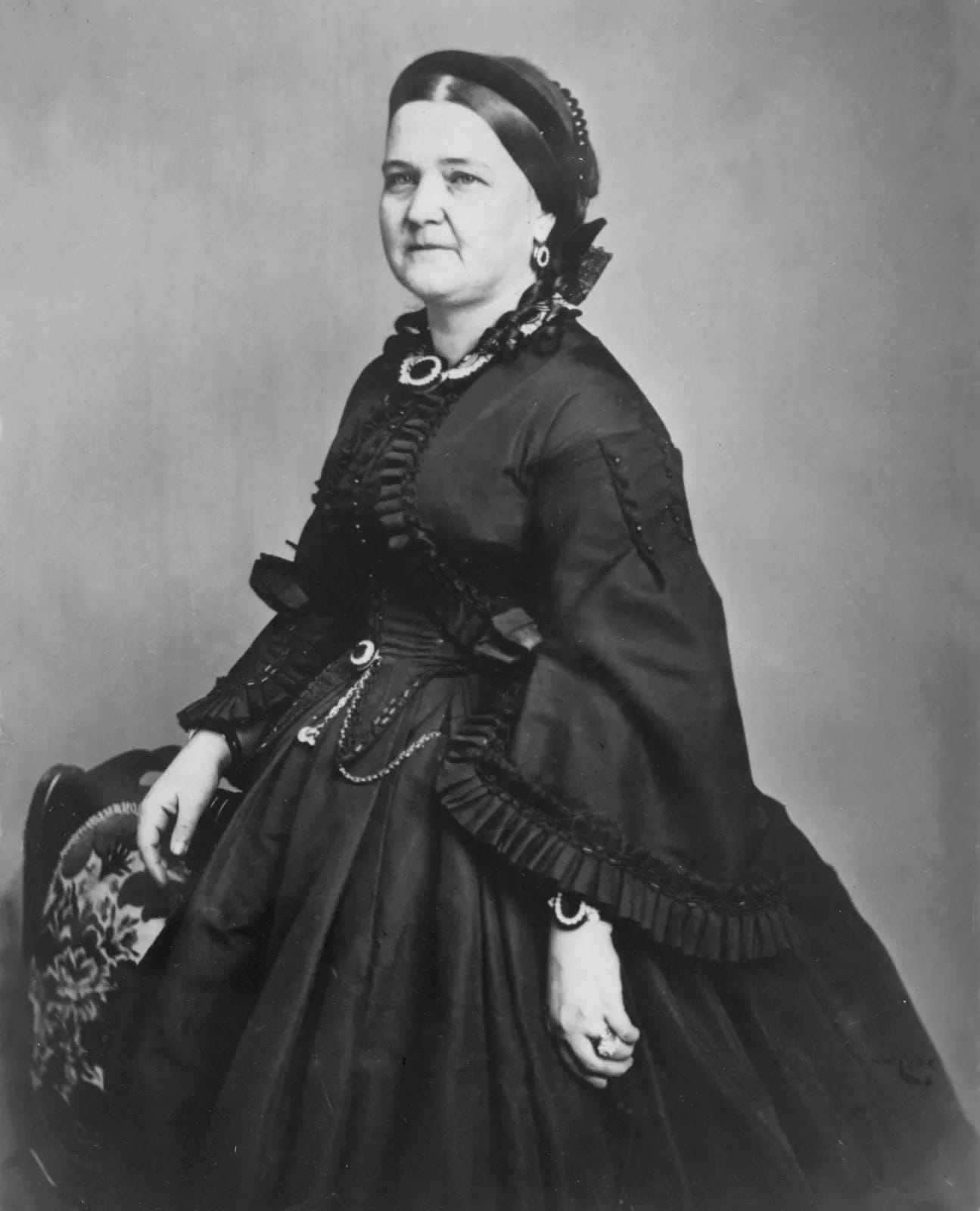
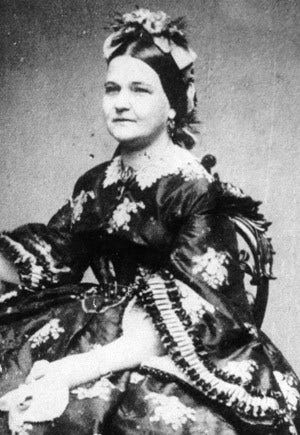
In my next post about Mary Lincoln, I will write more about her time as First Lady. I’ll write about the good things that she did. She did indulge in shopping sprees and create outstanding debt, but that should not be her sole legacy.
She was not all bad. Being ambitious should no longer be a sin in a woman. Let us begin, then, to change how ambitious women in the past are perceived.
It is only just, so that we can move forward as a society.