• 4 Obscure Classic Books You Should Read

    I have always loved classic literature more than most new releases. There is a soul in good classic literature which you can feel once it draws you in. Times were different when these books were written; social norms were not what we now know.

    Classics such as Pride and Prejudice have earned their fandoms (and with reason). However, I want to read more than the popular books. I am always on the lookout for a classic book that people don’t seem to talk about. Here are four I have read which have stayed with me.

    1- The Black Tulip by Alexandre Dumas, fils(son)

    I am a fan of the works of the Dumas duo who–sometimes confusingly–share a name. Dumas Senior is famous for writing for The Three Musketeers. His son also went on to become a writer; his novel The Black Tulip is one of my all-time favorites.

    It features a romance that makes your heart ache for many different reasons. He creates a masterpiece of every single scene, describing gloom as well as hope with a grasp on words that I wish I could achieve.

    2- The Belly of Paris by Emile Zola

    I’ve read The Belly of Paris several times and reviewed it here. From the epic beginning of this novel to the obsessive way in which Zola describes food, The Belly of Paris is unforgettable.

    The female characters in this novel are strong, an unusual characteristic for most novels of the time. I don’t remember any fainting spells or smelling salts from the roughened market-women!

    Find out why Zola is one of the best classic writers of French literature. I hope one day to read all of his work.

    Emile Zola, Portrait

    3- Camille by Alexandre Dumas, fils(son)

    I know, I know—I’m shoving the Dumas family at you. Camille is another one of the most beautifully written books I’ve read. How far will Armand go to win the heart of Camille—and can it end well when their social classes are so different?

    The pages of this novel drip with scandal as well as forbidden love. Most of all, they are heavy with humanity. We as a race have a tendency to do things out of passion that might not lead to a favorable end. The good news is that a hard lesson learned makes for a good story.

    Alexandre Dumas, fils

    4- The Mayor of Casterbridge by Thomas Hardy

    Some characters are so despicable that this fact alone makes the novel a classic to read. In The Mayor of Casterbridge, a skilled farm laborer has a quarrel with his wife. He makes the drunken decision to sell his wife and child to a passing sailor.

    Twenty years later, we will find out what became of this awful man. It is a novel of ambition, revenge, and bitterness. Will he receive justice for the horrific thing he did to his family?


    I hope that by the end of my life I can compile a longer list of obscure classics to read. I want to see for myself why, even though these books aren’t mentioned on bestseller lists, their names never vanish.

    Do you also read classic novels? If you have any book recommendations for me, please share in the comments. Help me to reach my goal!

    Finally, congratulations–you have just read my 400th blog post. A real milestone for me! I am thankful to everyone who has followed me on this long and exciting blogging journey. Your support is appreciated.

  • Why Did I Publish The Sea Rose?

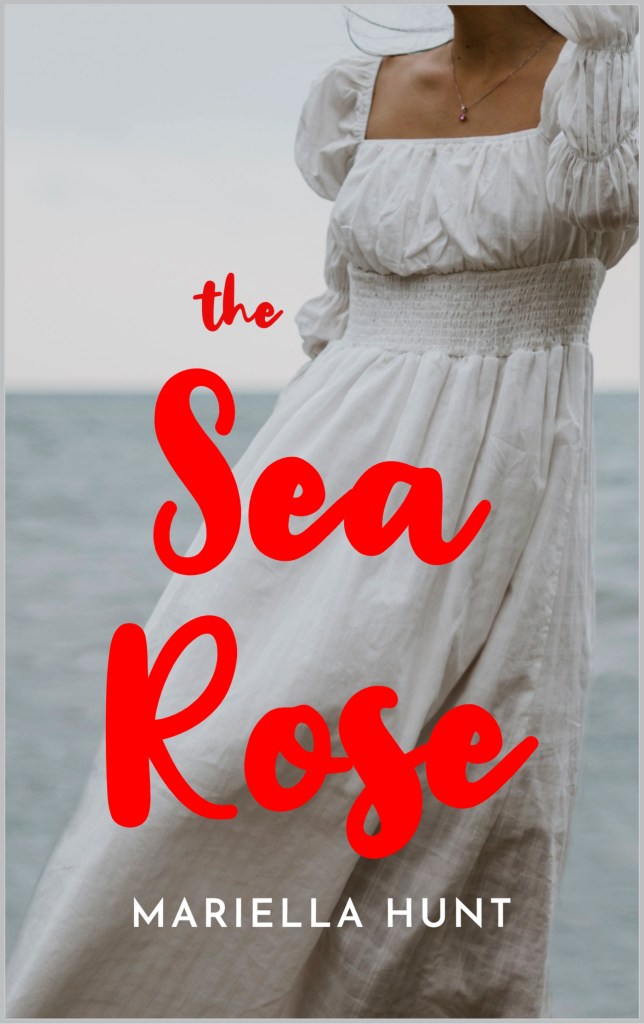
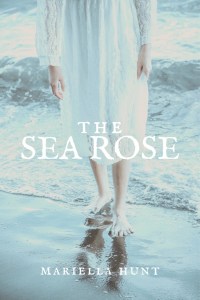
    I might have surprised a lot of people this week by choosing to release one of my manuscripts as a serial on Kindle Vella. The Sea Rose is my baby; it is the world to which I’ve escaped for almost six years. It’s seen many characters, lost them, been rewritten, given up on, and given a second point of view.

    Many things have changed since I first showed the story to my writing friends; what has remained? The characters. Rose and Peter have kept their names, Meredith has remained a complicated woman, and there are still Mermaids in 1800s England.

    Why did I do it? you might be asking. Isn’t it better to find an agent so that the whole book will be finished at once? Or even to self-publish the novel and market it as one package?

    I’m completely hooked! A unique and addictive tale from a promising new writer. Watch this one- it’s going to be big!

    Review, Miriam Jenner

    When self-publishing became an option, many writers swore that they would never take that route. I once had a friend whose parents gave her a Barnes and Noble Nook eReader for Christmas–but she sold it back to them (rather ungracious in my opinion). Many of these people have changed heart. Some self-published books do better than the traditionally published!

    Why don’t I self-publish a complete story and plan book signings? The answer to this is more personal. I always loved how Charles Dickens released his novels, chapter by chapter, in the weekly paper. It was an idea I toyed with but didn’t think would be an option to me. Kindle Vella gives me a way.

    Vella is a gamble; I know that many people will stop reading after their free chapters run out. However, there is a chance that I will make something if I advertise and put in all of my effort.

    Not one to miss! Full of emotion and beauty! The author has a way with words, looking forward to more.

    Review by Rachel Lynn

    I chose Kindle Vella because I have at least ten manuscripts on my laptop wasting away. I also chose it because I want to free my novel from the cycle of perfectionism. Writing, rewriting, editing—writing, rewriting, editing—it is a neverending cycle. The well-meaning advice of friends always came to a point where, rather than moving forward, I felt the urge to rewrite it again.

    Seeing the rate at which time has crawled by (I’m 28 now—what?) I decided to put my foot down. The only way to break this cycle was doing the thing I was most scared of.

    It’s time to release the story I love into the world. I choose to do it in the way I’ve always wanted to, a serialized fashion. Want to learn more about The Sea Rose?

    Lord Peter West could not marry Lady Bannister. Her eyes bore into him like daggers; her voice filled him with dread. Knowing this, his resolve thinned as the day neared to announce their union.

    He could not have imagined as he fled the engagement party that he would find himself stranded in the district of the Half-Merpeople. No one had told him that those with ocean-blood lived such wretched lives.

    Most of all, he could not have dreamed that the once-vanished Lady Rose Finch walked these streets–beautiful, strong, and very much alive.

    READ EPISODE 1 NOW!

  • Bluebirds & Flowers & Crows, Oh My

    If you’ve tried any form of art, be it painting or writing or poetry, you know that very rarely will you love what you produce the first time. Practice is the only way to steady our hands at these things.

    How lazy we are to practice! How we groan internally as we think of spending time repeating the same techniques, over and over and over and over—

    ‘fuzzy chick’ by me

    If you soldier through it and avoid comparing yourself to posts on social media by people at more advanced levels–remember one of the rules I set for myself: You don’t need to show your work to anyone…

    Practice, do it for yourself, and resist the urge to speed through in order to impress someone else—especially if you know you’re not at a level that’ll impress much. For this season of learning, it is vital that you keep sacred your practice time.

    This is the unpolished diamond; it will take a long time to polish, but boy it is rough!

    I feel like I am on a cloud. For the first time, I have finished a painting for which my brain seemed to get the equation right.

    A little sketching here, make the bird round and not starved-looking…the flowers’ shading done like so…and most of all, no overdoing it. I don’t have talent with wet-on-wet washes to cover the page, so I will save those for another day.

    Yesterday I tried to draw a bird perching on a Canterbury Bell, a beautiful flower which only grew once in my garden. I made the mistake of trying to finish it with a yellowish wash, and guess what happened? Color began to bleed out of the flowers in a way that, in my eyes, does not even look “watercolor charming.”

    ‘cute bird 1’ by me

    I despaired upon realizing that the paint had dried. I couldn’t fix the color or stop it from bleeding out of the flower; I had no choice but to let it be.

    However, as I prepared to go to bed, I decided this would not be the end of it. I liked my idea of a bird on a Canterbury Bell and was determined to paint one and get it right!

    Birds are fun to draw! I like to imagine their facial expressions, their thoughts, and hope to become good enough that I can start a webcomic.

    ‘not doing the trick!’ by me

    Here is the result of my practicing and stubbornness. First I learned to paint flowers; then I learned the basics for painting birds. Combined, they resulted in something with which I am so happy that I signed it. M. Hunt—fitting, because my grandma who painted and whom I love was named Mariam.

    ‘cute bird 2’ by me

    What do you think?

  • That Wretched ‘New-Year Smell’

    At the start of February I feel so different than when the year is brand-new. Can it be that the ‘new-year smell’ is an unfortunate illusion? Could it be that we need to ground ourselves in what is real rather than distant dreams?

    To me, the ‘new-year smell’ means being uprooted for a few unnerving weeks. I am floating in the air thinking madly about things I could be doing, talents I could take up, egged on by the twelve fresh months ahead of me.

    The ‘new-year smell’ is a cruel trick: few resolutions are carried out. Even when they are, they take longer than we are prepared for on January 1.

    ‘has the mail come yet?’ by me

    February 1 is a relief; the ‘new-year smell’ has gone, leaving fresh soil for me to take root in. I know what I’m capable of doing at this moment. I’ve given myself permission to let go of books that don’t engross me–life is too short to read something you don’t love. I am making friends who help me spiritually.

    If you’re still battling the ‘new-year smell,’ that sense of uncertainty about what you should be doing versus what you could be doing…I recommend you do what you would have done six months ago in 2021.

    Think about it–the only thing that has really changed is the number on the calendar. This does not mean there is increased pressure on you to become a star or get married (or both.)

    ‘what a sunny day’ by me

    What have I learned one month into 2022? Nothing too impressive.

    1- I discovered a desire to paint the lovely things of nature. It started with flowers; now I’m trying to get used to the movements required to draw birds. A couple of birds I drew look good. My most recent was too colorful, so I will need to practice him a bit more.

    2- I am much better at sketching than painting. A pencil and some decent paper are all that I need to draw the shapes of my subjects (in this case, birds.) I’ve been sketching for much longer, though I never intended to make it a serious hobby; some things come in useful over time!

    3- I underestimate myself. I wrote an essay related to something non-fiction and was nervous that it might sound childish, but it was received well. I’m fairly sure that, a month from now, I’ll be better at drawing colorful birds. It’s a matter of practice and routine.


    We all underestimate ourselves. We can achieve what we want, if only we put in the time and effort. Is there something you’ve always wanted to do or be? Trust me—you can do anything if you’re willing to be humble and learn. Rome wasn’t built in a day.

    What are your goals this month?

  • 3 More Tips From a (Month-Old) Artist

    When you’re learning a brand-new art form, progress can be slow. There’s no secret to instant proficiency at what you’re doing; practice is the only way. This can be problematic because practice often discourages us. If we’re practicing alone with only tutorials to give us instruction, the urge to quit is strong.

    I don’t know if I can call myself a “month-old” artist anymore. I started painting sometime in December and it’s almost February. Also, I’ve been sketching on and off for many years; if we’re using the term artist broadly, I haven’t been a “month-old” artist for a long time.

    hummingbird 1 by me

    Let’s go for “month-old painter.”

    During these two months of sketching and painting, I learned many things. I shared them with you in this post and this one. Here are some more nuggets of wisdom from a “two-month old painter.” I hope they’re of value.

    1- You Are Not The Tutorial

    This was a big one for me. Those tutorials on Youtube and Pinterest have helped me grow as an artist, but they also caused me to fall into the comparison trap. I was disappointed when the rose I painted looked nothing like the one in the tutorial, forgetting that the person in the video had been painting for much longer than I.

    The simplest things look amazing when painted by practiced hands. Whatever it is you’re trying to learn, remember you are not going to get results like those in the tutorial yet. That will require time.

    little friends by me

    2- Learn To Mix Colors

    I mentioned in a previous post that I accidentally mixed the perfect gray to use for a cloudy sky. I couldn’t figure out what I had done right, so I did my research and kept practicing.

    If you’re going into painting, spend some time researching color combinations that result in the shade you need. I want to memorize mixes so I won’t need to constantly hit Google for help.

    Get a big plate to play on and start mixing. Water down what you have mixed, because water does change the color. See how it looks on paper. Repeat. This will give you the confidence to color your painting to life.

    3- You Are Your Worst Critic

    I scroll through groups of watercolorists and see posts by people bemoaning how awful their work is—but most of the time, their painting blows me away! It might be a silhouette of a building or the whisper of a flower.

    Perhaps they’re aiming for realism, but I want to tell them I wish I could do that. It’s natural to want improvement at all phases of your journey, but remember: you are your worst critic. Whatever you painted isn’t as bad as you think it is. I always need to remind myself of that.


    By the end of February, will I be able to paint more birds? Will I understand how to paint houses that don’t look like a child did them? Maybe—if I practice.

    I’m glad I took up this challenge; it is making the year so much more interesting.

    I hope January has treated you well. Don’t be afraid to set goals for February and learn new things; this is what keeps life interesting!

  • 3 More Tips From a (Month-Old) Artist

    Some incidents can instantly ruin your day. A spilled cup of coffee? Horrible accident. The tip of the pencil broke off while you were using it? An inconvenience, for sure. Need to fetch clean water to dip your brush in? I’m so lazy.

    Accidents and inconveniences happen in all aspects of life. What matters is how you react and what you learn from them. It’s been a week since I posted my three tips for new artists; I have since learned more.

    I can’t give up watercolor. In the past when I tried this medium, I didn’t understand the magic. I didn’t realize watercolor was not the same as acrylic; I was using the colors incorrectly and getting the wrong results. Now that the Internet has shown me useful tutorials, I have been able to love the watercolor palette.

    just a little chat by me

    Here are some bits of advice to follow, even if you do not watercolor. If you’re taking up a new hobby, some useful things to keep in mind are:

    1- Embrace the Accidents

    There are accidents that we can call convenient.

    For example, I was painting a page of red birds to learn control of brush and color. Accidentally I mixed this perfect, cloudy-day gray. It’s the gray you’re supposed to get by combining Burnt Sienna and Cadnium Blue, then adding a lot of water, but when I tried doing this last week I could not get this gray. I’ll keep practicing until I am able to access this shade when I need it.

    Embrace the accidents—they are kindling to keep you on the learning path.

    2- Time, Time, Time!

    I learn a lot more by spending an hour at the table practicing mixes than I would by sitting down for five-minute sessions. That’s not to say the five-minute sessions won’t teach me anything—only that there are more productive ways to use our time.

    I did not learn this from watercolor so much as I did from my piano lessons. I have made it a military habit to sit down for at least half an hour of practice, almost always at 4PM. Now I enjoy playing music for my family.

    I know that when I’ve settled into a similar habit with painting, I’ll understand color better.

    a fuzzy cardinal by me

    3- Artists Sketch

    I’ve noticed while reading comments on Facebook that a lot of beginners made the mistake of believing that all they needed were the paint sets and brushes.

    The truth is, you’ve got to know how to sketch the bones of your painting before you add the color—at least when you’re beginning—or the color will be all over the place. If you’re like me, painting without sketching could lead to a disaster that doesn’t look like anything–not even Picasso’s weird art.

    I already knew how to sketch, but have since become determined to improve with the humble art of pencil-to-paper. I am learning cross-hatching, shading, and how to create animals using simple shapes. When I cannot paint, when there’s not enough space to lay out the palettes and ink, I grab my sketchbook and draw a flower during commercial breaks.

    This applies to everything else in life. You need to know the sketch before you work on the project. Learn the rules before you break them!

    So if you’re a baker, learn the recipe by heart before modifying it by replacing sugar with honey (which really works, I promise, and it’s tasty.) If you’re a writer, pay attention to the critique offered you, even if it hurts your pride. Become familiar with the bones of your project before you add the garnishes.


    What do you think could be added to this list?

  • 3 Surprising Facts About Charles Dickens

    A Christmas Carol is one of the most beloved books, a true classic. It has been adapted into cartoons, movies, and audiobooks. You’d be hard-pressed to find a person who does not know at least part of this tale.

    More fascinating than this story is the man who wrote it. Charles Dickens was an artist, a creator with hundreds of characters inside of him. His stories, which were published in serial form, were read by people all over the country.

    We can’t cover Dickens’ story with all its marvelous chapters in a blog post. Several biographies have been written about him, if you want to know more. However, in a blog post I can collect facts, adding color to the creator of Ebenezer Scrooge.

    Here are 3 facts about Charles Dickens.

    1- His Wife was an Author

    Charles Dickens’ wife, Catherine, was also an author—though she published her books using a pseudonym, a common practice for women at the time who dared put words to paper. Even her husband tended to write with a pen name.

    Catherine’s pseudonym was Lady Maria Clutterbuck. Her book was about kitchen recipes and menu ideas for meals that would serve up to 18 people.

    Catherine Dickens Portrait

    2- He had a Troubled Childhood

    As an adult, Dickens found himself under financial strain with 10 children to support. He was quick to anger and vented it on Catherine, blaming the situation on her.

    His struggle with debt must have reminded him of his dark childhood. Charles was one of eight children with a father unable to maintain his family. When Charles was twelve, his father John Dickens was sent to debtors’ prison, dooming his son to work in a factory to bail him out.

    Charles’ complicated past surfaces in his literary works. It was too much for Charles and Catherine Dickens’ marriage. Eventually he sent her away, throwing himself into his work.

    3- He was a Self-Taught Writer

    Charles Dickens had a second job as a legal clerk. It did not captivate him as much as storytelling. The art of writing was self-taught; the first story that Dickens published was The Pickwick Papers.

    All of this he achieved without having had a formal education. It goes to show that, when someone is born to do something, there is nothing that can stop them. Now Charles Dickens is one of the greatest names in literature; people still love his characters.


    Many great authors had happy families and comfortable lives; others found themselves in survival mode from childhood. Charles Dickens was an imperfect man in the end. This does not take away his genius.

    Charles Dickens used his childhood haunts to give us characters that we love, writing tales into which we can escape from our imperfect world.

  • 3 Tips from a (Month-Old) Artist

    You’ve got to start somewhere, Mariella.

    That’s what I remind myself when I am trying to paint something and it looks (in my opinion) like something a first-grader would draw. I then remember that, in reality, when it comes to watercolor I am a first-grader.

    the earth sleeping by me

    I’ve focused on literature, painting pictures with words, for twenty years of my life. I can write a novel, poem, journal entry, or blog post. I can edit articles for people; I have been rated a 4-star freelancer. I’m accustomed to using words to put images in the minds of my audience.

    Creating with color is new to me.

    And yet—and yet—

    I page through my watercolor sketchbook and see things I cannot believe were created by my hand. That bird looked like a smudge when I was struggling with the wet-on-wet technique. It is stylishly decent when I look with fresh eyes the day after.

    Houses are always clumsy in my landscapes, and I wish I could make them more elaborate. However, when I don’t focus on the house, when I look instead at the big picture, I see I’ve begun to understand how this medium works.


    If you’ve chosen to take up a hobby and feel pathetic with your attempts, remember we are like babies when we start out. Twenty years of writing to one month of watercolor? The writing will dwarf the paint every time. Whatever it is you have decided to try learning, I ask you join me. We can together be patient with ourselves.

    untitled out of focus

    I see my progress at the piano as an example of how practice and consistency make a difference. Grandma taught me the basics when I was a kid. I did not develop a love for the instrument at that age, but in teaching me the basics, she planted a seed that’s blossoming during my twenty-eighth year.

    From this, we can learn three things.

    1) If you’re trying to teach someone and it doesn’t work immediately, it doesn’t mean the message will never sink in. I am grieved to think of the frustration Grandma felt when she did not see me approach piano lessons with the enthusiasm she wanted. I regret that my interest in it sprang up after she left.

    2) Blue and yellow make green. That note on sheet music, you know the one? That’s Middle C, and it can be found there, and it’s useful for finding your way through a song. The basics, things you learn as a child in first grade, are not without value. These are seeds that blossom into passions when you reach adulthood.

    3) Keep calm and carry on: you don’t have to show your first paintings to anyone. You don’t have to play music for them. In the learning phase, it is perfectly fine to keep your progress to yourself. Do not allow your journey to be soured by the urge to impress others.


    Consistency and joy—these are the things I’m finding most useful in getting through the process of learning a new art form. If I’m not painting, I’m sketching. If I’m not playing the piano, I’m examining my schedule to find a time when I can be playing it.

    blue things by me

    Develop a routine and be consistent. If you can’t set aside an hour to paint, sketch for fifteen minutes. Most of all, find joy in what you’re doing. Don’t let it become a chore—because then you’ll want to quit where you are, in the first grade.

    I hope 2022 is treating you kindly so far. Tell me about what you’ve achieved so far!

  • Two Colorful Weeks Into 2022

    My aim for 2022 is to learn about myself and what my place is in God’s story. Other years I would have started planning the two novels I intended to write.

    In 2022 I have yet to trouble my literary muse, allowing her time to breathe while expressing myself in other ways.

    In two weeks, I have–

    • Discovered that baking is a fantastic way to calm my nerves and feel I’m doing something wholesome.
    • Learned that watercolor is like poetry with paint–the color can go anywhere. Though this can be frustrating at times, there’s relief in knowing I’m not in control of everything.
    • Enjoyed a book about Napoleon titled The Invisible Emperor, taking my time to read it. Now I am reading a book about Shakespeare. I hope to tackle the history books in my library. If I were to speed-read my history books, I’d risk missing important details.
    • Remembered that I enjoy sketching. I’m not as bad at it as my inner critic always told me. Last night, I filled a page with bunnies.

    I have begun to accept myself for who I am and what I have achieved. I am excited to see where my hobbies will take me a year from now. I’m grateful that I’ve decided to try new things.

    I have been showered with blessings in two weeks. These are too personal to write about in detail. I want you all to know–God is paying attention. He looks after us. When I am holding a paintbrush, I imagine Him painting the beautiful sunsets He gifts us daily.

    I know that 2022 will help me to know myself better. There remain many people in the world who are ill and suffering. No year is without its opportunities to grieve and sympathize.

    However, playing with color has shown me that we should not feel guilty for finding joy.

    What have you learned in the first two weeks of 2022?

  • 3 Ways I’m Decluttering For 2022

    You know that desk drawer where you toss in junk that goes forgotten for years? At the end of 2021, I felt as if I had opened that drawer and been shocked by how much was in it. I was anxious, unable to focus or find ways in which I could improve.

    A new year is a fresh start, a clean slate, but I could not clear my mind in order to begin 2022 on the right foot.

    The first week of January has made me aware of ways I can clean my ‘mental drawer.’ I looked not only into my room but also at my computer and phone. I couldn’t believe the clutter that had gathered in so many corners of my life. There were projects I’d never finished, ideas for sketches I abandoned, and quote pictures I’d saved on impulsive.

    In the days that follow, I will be trying three things in order to deal with the clutter in my life.

    1- Put Away My TBR Pile

    I’ve developed a habit of gathering books I intend to read in one spot, regardless of how soon I’ll be able to read them. This is not a pretty shelf of eclectic novels! It takes up a lot of room on the desk or even on the sofa. It also hinders my reading, making it difficult for me to focus.

    These books are returning to the shelf until I finish my current read and can get to them. Aside from making my desk more functional, it will reduce my temptation to speed-read books without enjoying them.

    2- Clear My Photo Library

    Contrary to popular belief, you don’t need 1,000 memes on your smartphone! In my case, I don’t save memes. I don’t need 1,000 pretty pictures of buildings I intend to sketch ‘some day.’ When we fill our libraries with unimportant things, pictures that matter are pushed back.

    Life is lived outside of the computer. I’m going to clear my photo library of things I intended to sketch. If I save a few, they’re going in a folder. I’ll write quotes in a special notebook and delete the images on which I found them. I want to have an album that reminds me of who I am and what I love.

    3- Set Prayer Time

    We all waste time staring at the wall, thinking about our problems. This does not solve the problems or make us feel any better.

    Prayer does.

    I will shake this habit of panicking and spend more time in meditation, filling my mind with God’s promises rather than my own worries. I’ve memorized Psalm 23 to pray when I am anxious; I will memorize more. I’ll write in a prayer journal about the things that trouble me, because honest prayer is heard.


    I’m going to empty all of the junk drawers in my life. I am inspired by the blank page, peaceful and loaded with promise. If you also want to clear out the junk in your life, try these things—or find other methods to help you face the year with a fresh mind.

  • 3 Hobbies I’m Learning In 2022

    While I did not make any resolutions this year, I did choose activities and pastimes to focus on. Previous years have seen me dedicated to writing, rewriting and editing the same story. While none of this work was a waste—the practice helped my writing style to improve—it left little room for other hobbies.

    In 2022 I have allowed myself some breathing room to explore other things. While I will continue to write (it’s my passion), I won’t be spending as much time on it.

    One week into the new year, I have found enjoyment in hobbies that I have long wanted to try. Some of these hobbies include:

    Baking

    When I’m baking, I feel nostalgic. Baking has been a well-loved activity for centuries. Our parents, grandparents, great-grandparents—go all the way back—have been involved with baking in some way. If they didn’t do the baking, they enjoyed the results, a homemade cake or loaf of bread.

    I have not gotten to the homemade bread phase, though I want to. However, I have memorized the recipe to make sugar cookies that my family loves. Nighttime is the best time to bake, especially in the winter. I’ll make a batch of twelve cookies and there are only three left half an hour later.

    Watercolor

    I admit it: Part of my desire to learn watercolor stems from the trend it’s picking up on the web. With the virus, people are looking for things they can do with their hands—away from screens.

    Of all the hobbies I’m taking up, watercolor is the most frustrating because it’s hard to pin down. It is poetry in color, a freestyle poem or a strict sonnet that cannot be modified without losing what it is.

    It’s also the activity I have least experience in, which means I’ll be practicing for a while before I like my work. I am happy to report that I can paint a loose flower. Hopefully by the end of the year I’ll create a still-life of a flower vase.

    Piano

    During the month of December I did not practice piano at all. Despite this, I forgot nothing of what I learned during a summer of practice sessions. Unlike with watercolors, I have enough experience with the piano that it isn’t a frightening prospect to sit down and play. Rather, it’s satisfying to note my improvement.

    I have been practicing Christmas songs such as O Christmas Tree and Hark The Herald Angels Sing. This particular songbook used to be difficult for me; now the notes are not such strangers.

    I’m not confident enough to record myself playing for Instagram, but maybe one day that will change.


    Maybe you didn’t set resolutions either; which hobbies are you hoping to sharpen during the new year? Are they activities you have done before, or are you a newbie? Comment and let me know!

    And remember—you can do it!

  • 3 Creative Ideas For Your Bullet Journal

    2022 is here! I am grateful for a new year; it provides a fresh start and motivation to set goals. I have to admit that I’m also ready to prepare for autumn again, learning new Christmas cookie recipes meanwhile.

    If you keep a bullet journal and are new to it (like me), setting up a fresh one can seem daunting. Those images on Pinterest with flawless, straight lines and Shakespearian calligraphy can be dispiriting. Setting up a calendar by hand takes practice and calligraphy is a literal art form; you won’t get there in a day.

    Bullet journaling shouldn’t be a source of envy. When opening your new dot-grid journal, make sure you’re not out to copy others. It should be a source of inspiration, a promise that you’re about to chronicle your year while expressing your own creativity.

    Look forward to what you can do, rather than comparing yourself to others.

    If you want a colorful bullet journal but are not an artist by nature, here are some ideas for you to make it look creative anyway.

    1- Stickers, Stickers, Stickers!

    With the rise of bullet journaling came a rise in beautiful, detailed stickers. They can fill in that blank space on your journal page, giving it a splash of color alongside your to-dos and journal entries. There are even ways for you to print your own stickers, if you can’t find anything that suits you.

    For Christmas my mom got me The Antiquarian Sticker Book, and as I page through it, I get the sense that I’m scrolling the vintage art category on Pinterest. For old souls, this collection of stickers is a real treasure. You have an entire alphabet to choose from, flowers, old-fashioned magazine sketches, and more!

    2- Recycle Old Books

    A lot of bookworms cringe at the thought of using an old book for scrapbooking, but here’s the thing. I have asthma and can’t read books with an overwhelming smell. However, I still can’t resist grabbing someone’s old poetry collection at a yard sale!

    A page I inserted into my own BuJo!

    I’m more likely to read the poetry if its pages are scattered in my journal. Those books will get fresh life if you learn how to tape them into your BuJo as additional pages. The poets who wrote the pieces you’re taping will thank you for having found their work used it to grace your memories.

    The book itself? I can’t imagine it’ll complain much. The alternative is becoming a decoration or gathering dust in an attic.

    3- Delightfully Minimal

    If you don’t want clutter in your BuJo but seek elegance, you can opt for a minimalist layout. Using really good pens, you can make the pages in your bullet journal gorgeous by showing off your handwriting.

    I might try this myself sometime—but I want to work on my handwriting. A goal of mine is to have an old-fashioned, elegant hand that would make a grocery list look great!

    Isn’t this minimalist spread gorgeous? Source

    These are only three ideas to get you started on your BuJo for the year. I’ll be searching the web for more inspiration and BuJo hacks as I work on my second bullet journal.

    Do you keep a bullet journal? If so, what’s your ‘style’? If not, what’s stopping you?