
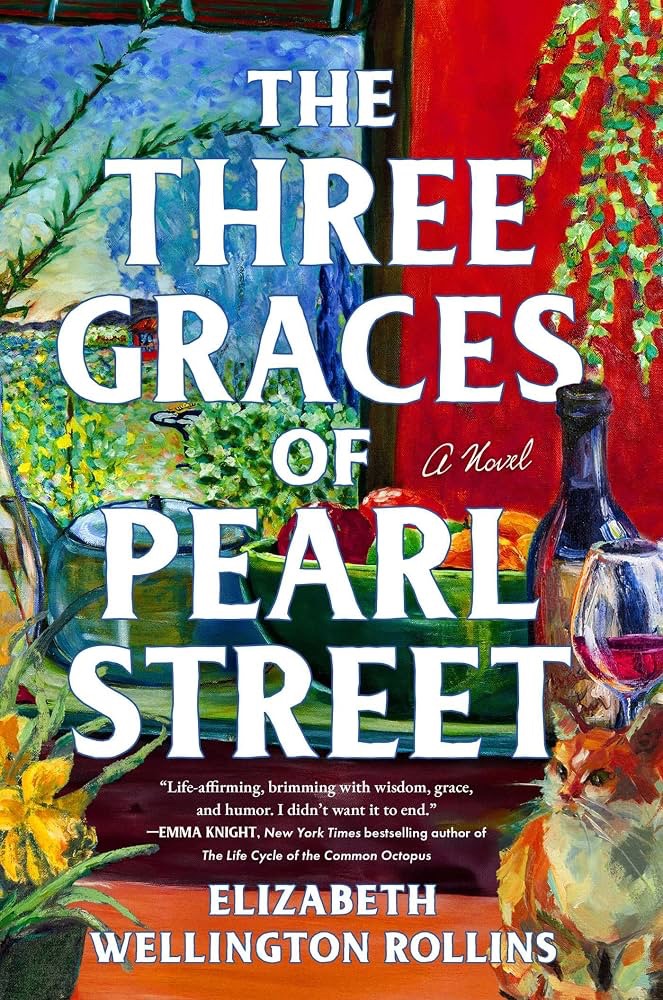
If you’re looking for a thoughtful novel about family, aging, faith, and the quiet power of kindness, The Three Graces of Pearl Street by Elizabeth Wellington Rollins is well worth reading. This heartfelt contemporary novel explores the bonds between three generations of women while asking timeless questions about grief, service, forgiveness, and what it truly means to leave a legacy.
Death and the natural passing of time have always been subjects I struggle with. Grief is an adversary every one of us will eventually meet, yet none of us are ever fully prepared for it. Books cannot shield us from those seasons of loss, but they can help us approach them from a safe distance. Reading about characters who wrestle with aging, regret, and mortality often makes those fears feel a little less lonely.
Readers who enjoyed Theo of Golden may find a similar spirit in The Three Graces of Pearl Street. While the stories are different, both novels celebrate lives devoted to compassion, sacrifice, and serving others. They remind us that an ordinary life, lived with generosity, can leave an extraordinary mark on the world.
What Is The Three Graces of Pearl Street About?
At the center of The Three Graces of Pearl Street are three women who share the name Graziella—grandmother, mother, and granddaughter. Living under one roof, they navigate the everyday joys and frustrations of family life while learning to understand one another across generations.
The eldest Graziella quickly became my favorite character. As a young woman, she dreamed of becoming a nun, but life led her in another direction. Even so, she never abandoned her desire to serve others. She spends much of her life running a soup kitchen, believing compassion should always come before recognition or prestige.
Themes of Faith, Service, and Conscience
One of the strongest aspects of The Three Graces of Pearl Street is its thoughtful exploration of faith. Graziella finds herself in conflict with the religious leaders who oversee the soup kitchen, creating a compelling discussion about authority, leadership, and conscience.
Although Graziella is Catholic, she refuses to ignore her conscience simply because an authority tells her otherwise. Instead, she risks her own savings to establish a soup kitchen that reflects the values she believes in. Rather than presenting easy answers, Elisabeth Wellington Rollins invites readers to consider what authentic service truly looks like.
What impressed me most was that the novel avoids reducing anyone to a villain. Instead, it recognizes that sincere people can disagree while still sharing a desire to help others.
Family Relationships Across Generations
Graziella’s relationship with her granddaughter, Ella, forms the emotional heart of the novel. The two argue often, largely because they are so alike. Their conversations are passionate, frustrating, and deeply believable.
As the story unfolds, those arguments reveal something deeper than conflict. They become expressions of love between two people struggling to understand each other while speaking different emotional languages.
The novel suggests that forgiveness is rarely instantaneous, but honest communication can slowly heal even long-standing misunderstandings.
Why The Three Graces of Pearl Street Resonated With Me
Although the novel contains moments of humor and warmth, it also explores fears surrounding aging, illness, grief, and saying goodbye to those we love. These themes resonated with me because they reflect questions I have wrestled with for years.
There is a unique comfort that comes from reading a book written by someone who understands those fears. Rather than offering simple solutions, The Three Graces of Pearl Street feels like sitting beside a trusted friend who quietly reminds you that you are not alone.
Perhaps the greatest lesson the novel offers is that every one of us can make a meaningful difference. We do not need to become wealthy or famous. We do not need to perform extraordinary acts. Sometimes the greatest gifts we can offer are our compassion, our time, and our willingness to truly see another person.
Graziella’s greatest strength is not the number of people she helps but the sincerity behind every act of kindness. Every conversation, every meal, and every sacrifice reminds us that genuine compassion is measured not by recognition but by love.
Final Thoughts on The Three Graces of Pearl Street
The Three Graces of Pearl Street by Elizabeth Wellington Rollins is ultimately a novel about hope. It reminds readers that growing older is not simply a story of decline but one of continued wisdom, generosity, and purpose. Every stage of life offers opportunities to teach, forgive, and love more deeply.
By the final pages, I found myself thinking less about death and more about legacy. The novel suggests that what ultimately survives us is not our accomplishments but the kindness we leave behind.
If you enjoy uplifting literary fiction, family sagas, novels about faith and community, or stories that celebrate the quiet heroism of ordinary people, The Three Graces of Pearl Street is an easy recommendation. It is a moving reminder that true love is stronger than death—and that even the smallest acts of kindness can change a life.
If you enjoyed this essay, you might also like:
- The Girl and Her Books — how I became a reader at a very young age.
- Taipei Story by R.F. Kuang — a story of language, culture, grief, and being kind to oneself.
- This is Not About Us by Allegra Goodman — a story of family and conflicts that can last for generations.
- More book reviews from The Tearoom on Substack.


Leave a comment